

Maddy summaryThis bill, titled the "Biotechnology for All High School Students Act," aims to expand biotechnology education for secondary school students across the United States. It authorizes a competitive grant program for eligible entities, such as schools, colleges, and non-profit organizations, to support new and existing biotechnology education initiatives. Funds from these grants can be used for purposes like professional development for teachers, developing curricula, acquiring laboratory equipment, establishing partnerships, and creating transferable biotechnology credentials for students. The bill also establishes a National Biotechnology Education Consortium to provide support and recommendations for these programs, promoting coordination and resource sharing among various stakeholders.
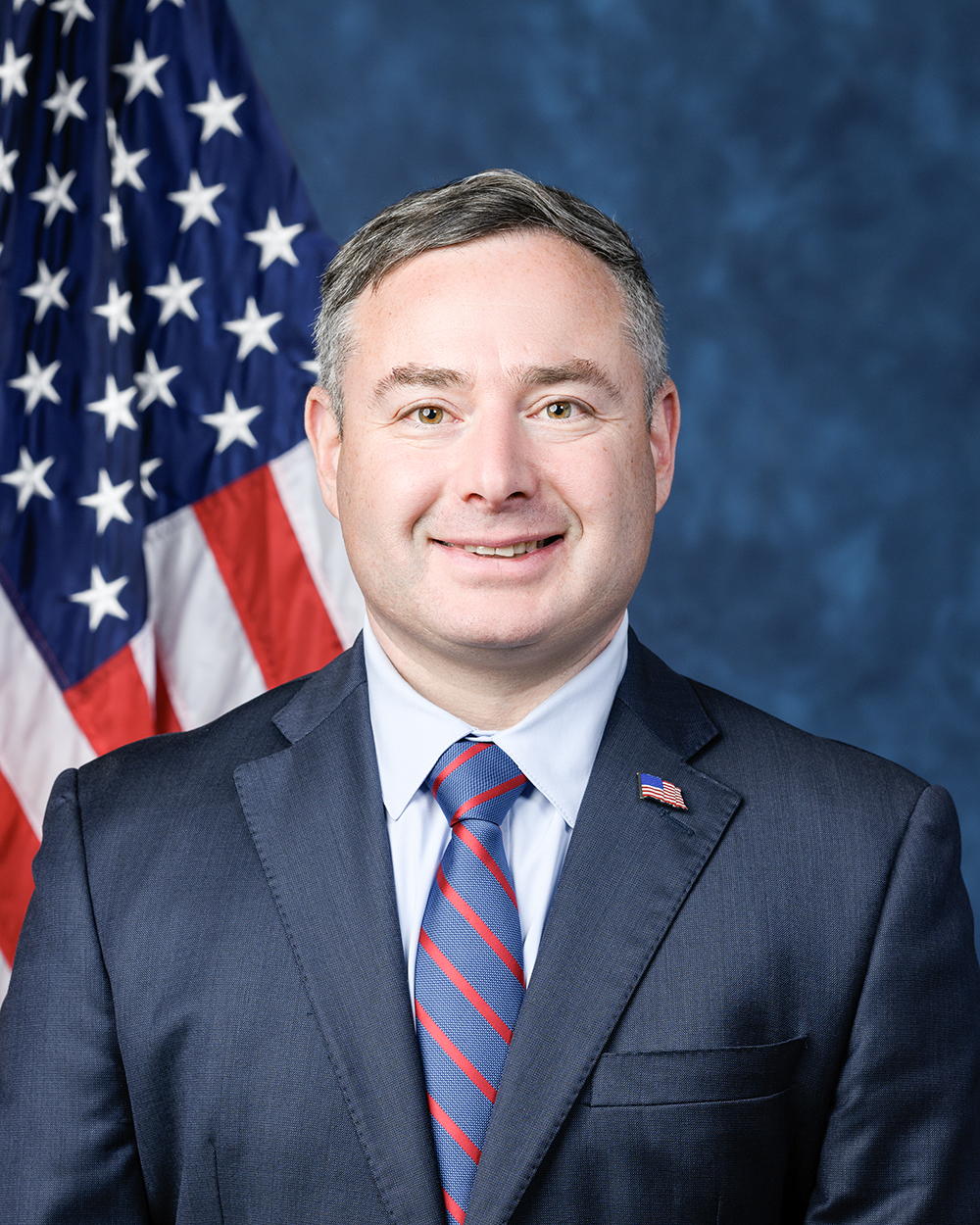
Rep. Eugene Simon Vindman
Sponsored bills
Maddy summaryThe Neighborhood Skies Act of 2026 requires the Secretary of Defense to submit annual reports to Congress on military proficiency flights conducted in the National Capitol Region. These reports must be provided within one year of the bill's enactment and continue for two more years, detailing the number of flights that occurred in the preceding 12-month period. The legislation directly affects the Department of Defense by establishing a reporting requirement for flight activities in the Washington, D.C. area. This measure aims to increase transparency regarding military training operations near the nation's capital without changing flight regulations or operational procedures.
Maddy summaryThe Virtual Readiness Act of 2026 requires the Secretary of Defense to submit a briefing to congressional defense committees within 180 days of the law's enactment. This briefing will assess whether virtual constructive training can reduce the amount of in-air training needed by the U.S. Armed Forces. The bill focuses on evaluating the feasibility of using simulation technology to optimize military training methods. It does not mandate specific training changes but instead directs a review of potential alternatives to traditional in-air exercises.
Maddy summaryThe SACRED Act adds a new federal crime to protect access to places of religious worship by prohibiting intimidating or harassing conduct within 100 feet of religious buildings. It directly affects individuals who engage in disruptive behavior near religious sites and those seeking to enter or exit them. The law defines prohibited actions as conduct that causes reasonable fear for physical safety or intentionally harasses people within 8 feet, with penalties ranging from fines up to $10,000 for nonviolent first offenses to potential life imprisonment if death results. The bill also establishes civil remedies allowing aggrieved individuals or religious organizations to sue for damages and injunctive relief, while permitting state and federal attorneys general to bring civil actions on behalf of affected persons. Importantly, the legislation explicitly preserves the right to peaceful expressive conduct like picketing and does not override existing state or local laws.
Maddy summaryThe Tech Diplomacy Training Act requires all U.S. Foreign Service officers to complete mandatory training on science, technology, engineering, and mathematics topics, including artificial intelligence and emerging communications technologies. This training will be administered through the George P. Shultz National Foreign Affairs Training Center and must cover how these technologies impact diplomacy, how adversaries use them, and how the United States can leverage them as diplomatic tools. New officers must complete the full curriculum during their initial training, while existing officers have 18 months to finish the comprehensive program or 270 days to complete a condensed version. The requirement applies to all Foreign Service officers and operates alongside existing training requirements without replacing them.
Lulu’s Law This bill requires the Federal Communications Commission to issue an order explicitly permitting the transmission of wireless emergency alerts to mobile phones in the event of a shark attack. (Under current regulations, authorized government authorities are permitted to send wireless emergency alerts regarding public safety emergencies, including severe weather, missing children, and other threats to life or property.)
Maddy summaryThis bill, titled the Agricultural Conservation Mentorship Act, amends the Food Security Act of 1985 to update the Experienced Services Program. It adds a new category of eligible activities that allows the program to support cooperative initiatives aimed at improving higher education teaching programs, specifically including paid work-based learning opportunities at colleges and universities. The legislation also clarifies definitions for institutions of higher education, land-grant colleges and universities, and work-based learning by referencing existing laws. These changes expand the scope of services the program can provide to better support agricultural education and training within higher education institutions.
Maddy summaryThis bill reauthorizes federal funding for grants and fellowships that support education in food and agricultural sciences. It directly affects universities, colleges, and training programs that teach these subjects by providing $60 million annually from 2026 through 2035. The legislation specifically prioritizes teaching projects that include paid work-based learning to help train more professionals in food and agricultural sciences and rural economic development. It amends the existing Food and Agriculture Act of 1977 to update funding priorities and ensure continued financial support for these educational initiatives.
Maddy summaryThe Enhanced Cybersecurity for SNAP Act of 2026 requires states to transition from magnetic stripe to chip-enabled EBT cards within 4-5 years, with specific deadlines for new cards and reissuing existing cards. It mandates states to provide multiple user interfaces for managing EBT accounts - including mobile-friendly web portals, text messaging, voice services, and nondigital options - all available 99% of the time in required languages. The bill requires states to provide real-time transaction notifications, access to historical transactions for the past year, and fraud reporting capabilities to SNAP recipients, while prohibiting PIN/password requirements that conflict with federal cybersecurity standards. It eliminates fees for replacing cards due to malfunction, fraud, or required upgrades and requires states to replace damaged or lost cards within 3 business days. Additionally, the bill includes a grant program to help retailers upgrade to chip-compatible payment terminals in areas with limited grocery access.
Representing our Seniors at VA Act of 2025 This bill expands the membership of the Geriatrics and Gerontology Advisory Committee within the Veterans Health Administration by requiring the addition of one representative from the National Association of State Veterans Homes who holds a professional license in nursing home administration. Additionally, the committee must consult with the National Association of Veterans State Homes with respect to matters concerning the association.