

Issue · Technology
Technology
Every technology bill, vote, and legislator stance in Hawaii, automatically classified by Maddy, our AI policy reader.
Total bills
204
2026 Regular Session
Top supporter
Kirstin Kahaloa
80% support rate
Top opponent
Diamond Garcia
22% support rate
Ranked legislators
6
5 support · 1 oppose
Key legislators
Who's moving technology in Hawaii
| Legislator | Party | Stance | Support rate | Votes |
|---|---|---|---|---|

Kirstin Kahaloa
House · District 6
|
D |
Strong +
|
80% | 22 |
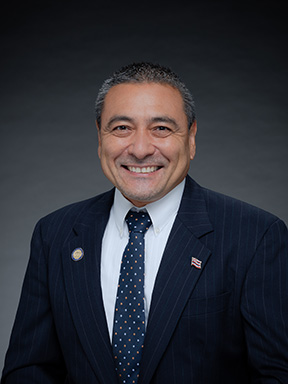
Mark Hashem
House · District 19
|
D |
Strong +
|
80% | 21 |

Della Belatti
House · District 26
|
D |
Strong +
|
80% | 20 |

Mahina Poepoe
House · District 13
|
D |
Strong +
|
80% | 25 |
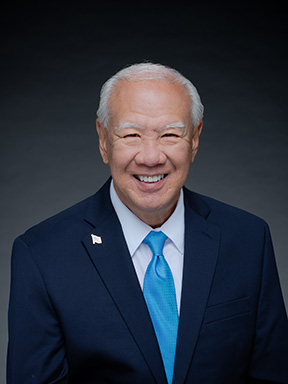
Gregg Takayama
House · District 34
|
D |
Support
|
78% | 27 |

Diamond Garcia
House · District 42
|
R |
Oppose
|
22% | 28 |
Showing 31–40 of 204
bills
All technology bills
SCR 164: PRIORITIZING EFFORTS TO PROTECT HAWAII'S CRITICAL INFRASTRUCTURE FROM FOREIGN INFLUENCE.
Topics
✓ EnergySupports EnergyBill prioritizes energy infrastructure security and resilience, reducing dependence on imported goods and minimizing supply disruptions, which strengthens energy infrastructure protection.
✓ TechnologySupports TechnologyBill enhances cybersecurity and protects critical infrastructure from foreign influence, directly supporting technology security and resilience.
Sub-Topics
Cybersecurity
SR 143: URGING THE UNITED STATES AIR FORCE TO CEASE PLANS RELATED TO THE CONSTRUCTION OF THE MAUI OPTICAL AND SUPERCOMPUTING SITE SMALL TELESCOPE ADVANCED RESEARCH FACILITY ATOP HALEAKALĀ.
Topics
✓ EnvironmentSupports EnvironmentBill opposes construction on sacred ecological site, protecting natural resources and cultural environment from development
✗ TechnologyOpposes TechnologyBill seeks to stop construction of a supercomputing and telescope facility, limiting advanced technology development at this site
HCR 33: ENCOURAGING HAWAIʻI COUNTY, IN COLLABORATION WITH THE PUAKŌ COMMUNITY, DEPARTMENT OF HEALTH, UNIVERSITY OF HAWAIʻI AT HILO, AND OTHER STAKEHOLDERS, TO COMPLETE THE PUAKŌ SEWAGE PROJECT.
Topics
✓ EnvironmentSupports EnvironmentBill directly addresses environmental pollution by replacing aging cesspools with modern wastewater systems to protect Puako Reef and reduce sewage contamination.
✓ TechnologySupports TechnologyBill explicitly integrates fiber optic internet infrastructure into sewage project to address digital divide, advancing technology access in rural areas
Sub-Topics
Broadband Access
HCR 44: URGING THE DEPARTMENT OF EDUCATION TO CO-DEVELOP A SIXTH TO TWELFTH GRADE ARTIFICIAL INTELLIGENCE LITERACY AND USAGE CURRICULUM WITH TEACHERS.
Topics
✓ EducationSupports EducationBill promotes AI literacy curriculum for K-12 students, enhancing educational content and preparing students for modern technology while involving teachers in development.
✓ TechnologySupports TechnologyBill promotes AI literacy curriculum for students, enhancing digital skills and ethical AI use, which strengthens technology education and digital equity.
SCR 33: REQUESTING THE DEPARTMENT OF EDUCATION TO DEVELOP ARTIFICIAL INTELLIGENCE LITERACY CURRICULA PLANS AND PROGRAMS FOR USE IN PUBLIC SCHOOLS.
Topics
✓ EducationSupports EducationBill mandates development of AI literacy curricula to enhance student education and prepare them for modern technology use
✓ TechnologySupports TechnologyBill promotes AI literacy education in public schools, advancing technology understanding and responsible use among students.
HR 135: URGING THE DEPARTMENT OF EDUCATION TO RECOGNIZE ROBOTICS AS AN INTERSCHOLASTIC SPORT AND DEDICATE FUNDING TO SUPPORT ROBOTICS PROGRAMS ACROSS THE STATE.
Topics
✓ Budget & TaxesSupports Budget & TaxesBill explicitly requests state funding allocation for robotics programs, directly supporting budget allocation for educational initiatives.
✓ EducationSupports EducationBill urges DOE to recognize robotics as a sport and allocate funding to support robotics programs, directly expanding educational access and enhancing student programs.
✓ TechnologySupports TechnologyBill explicitly advocates for funding and recognition of robotics programs, directly supporting technology education and development.
Sub-Topics
Testing & Assessment
HR 170: URGING THE DEPARTMENT OF AGRICULTURE AND BIOSECURITY TO EXPLORE AND PURSUE OPPORTUNITIES TO COLOCATE COMMUNITY-BASED RENEWABLE ENERGY GENERATING PROJECTS WITH AGRICULTURAL RESERVOIRS AND IRRIGATION WATER INFRASTRUCTURE.
Topics
✓ EnergySupports EnergyBill explicitly promotes renewable energy by encouraging placement of solar panels and water turbines on agricultural reservoirs to help Hawaii meet clean energy goals.
✓ EnvironmentSupports EnvironmentBill promotes renewable energy generation through floating solar and water turbines, reducing emissions and supporting clean energy goals while conserving water resources.
✓ TechnologySupports TechnologyBill promotes renewable energy technology (floating solar panels, water turbines) to advance clean energy goals, though primarily focused on agriculture infrastructure rather than digital technology.
SCR 88: REQUESTING THE DEPARTMENT OF CORRECTIONS AND REHABILITATION TO ESTABLISH A COORDINATED DATA ENTRY SYSTEM FOR THE DEPARTMENT OF CORRECTIONS AND REHABILITATION AND COUNTY POLICE DEPARTMENTS AND PROSECUTORS TO TRACK THE STATUS OF DETAINEES INCARCERATED IN DEPARTMENT OF CORRECTIONS AND REHABILITATION FACILITIES.
Topics
✓ Criminal JusticeSupports Criminal JusticeBill enhances oversight and data transparency in corrections, improving accountability and access to rehabilitative programs for incarcerated individuals.
✓ TechnologySupports TechnologyBill proposes establishing a coordinated data entry system to improve information sharing and tracking between agencies, advancing technological infrastructure for corrections and law enforcement.
SR 165: REQUESTING THE HAWAIʻI CIVIL RIGHTS COMMISSION TO EXAMINE THE APPLICABILITY OF EXISTING STATE ANTI-DISCRIMINATION LAWS TO ALGORITHMIC AND AUTOMATED DECISION SYSTEMS.
Topics
✓ HousingSupports HousingBill seeks to strengthen anti-discrimination protections in housing by examining how AI systems might violate existing laws, thereby preventing algorithmic bias in housing decisions.
✓ Labor & EmploymentSupports Labor & EmploymentBill seeks to expand anti-discrimination protections to cover algorithmic decision-making in hiring, protecting workers' rights against bias in employment processes.
✓ TechnologySupports TechnologyBill seeks to protect civil rights in algorithmic decision-making, ensuring AI systems don't discriminate against protected groups in hiring, housing, and credit.
Sub-Topics
Artificial Intelligence