Issue · Criminal Justice

Criminal Justice

Every criminal justice bill, vote, and legislator stance in Hawaii, automatically classified by Maddy, our AI policy reader.

Total bills
117
119th Congress
Top supporter
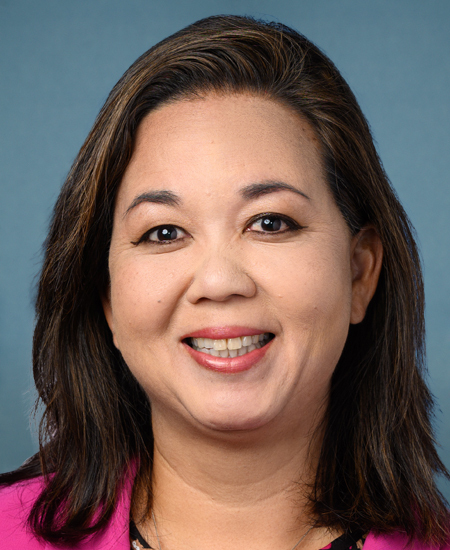
Jill N. Tokuda
60% support rate
Top opponent
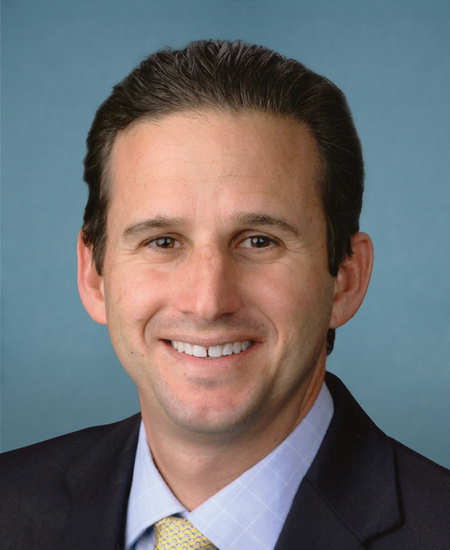
Brian Schatz
16% support rate
Ranked legislators
4
2 support · 2 oppose
Key legislators

Who's moving criminal justice in Hawaii

Legislators moving criminal justice in Hawaii
Legislator Party Stance Support rate Votes
Jill N. Tokuda
Jill N. Tokuda House · District 2
D
Support
60% 154
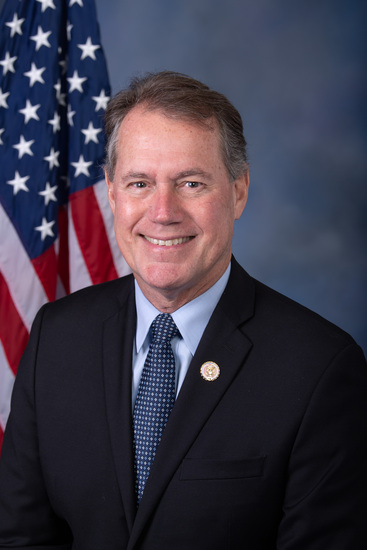
Ed Case
Ed Case House · District 1
D
Mixed
50% 152
Brian Schatz
Brian Schatz Senate
D
Strong −
16% 171
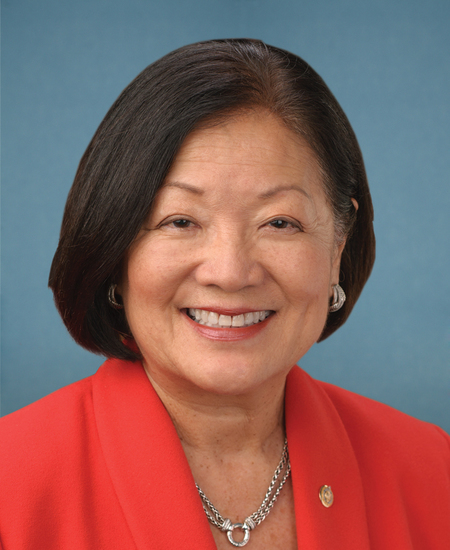
Mazie K. Hirono
Mazie K. Hirono Senate
D
Oppose
26% 171
Showing 1–10 of 117 bills

All criminal justice bills

in committee · United States · Senate Jul 30, 2026

S 5201: Lori Jackson-Nicolette Elias Domestic Violence Survivor Protection Act

The Lori Jackson-Nicolette Elias Domestic Violence Survivor Protection Act expands federal firearm restrictions to include individuals subject to any domestic violence restraining order, including temporary or emergency orders issued without the abuser's presence. It broadens the legal definition of an "intimate partner" to cover dating partners and other relationships protected by state laws, closing previous loopholes that allowed some abusers to keep guns. The bill also creates a federal grant program for states and tribes to fund the removal, storage, and return of firearms from individuals subject to these orders, requiring them to partner with local domestic violence service providers to ensure victim safety.
in committee · United States · Senate Aug 3, 2026

S 5212: No Payoffs for Pardons Act

The No Payoffs for Pardons Act requires individuals who receive presidential clemency to file financial disclosure reports if they provided gifts or payments worth at least $10,000 to the President, their family members, or related political entities in exchange for that clemency. These reports must detail the nature and value of the benefits provided and will be made publicly available by the Department of Justice, with penalties including fines and imprisonment for those who willfully fail to comply or submit false information. Additionally, the bill updates federal bribery laws to explicitly include executive clemency as a bribe and extends the statute of limitations for prosecuting such bribery cases to ten years. By mandating transparency around the exchange of money for pardons, the legislation aims to prevent the misuse of the pardon power while leaving the President's actual decision-making authority on granting clemency unchanged.
in committee · United States · Senate Jul 14, 2026

S 4976: Native Children’s Commission Implementation Act of 2026

This bill establishes the Native Children's Commission Implementation Act of 2026 to improve health, education, and safety outcomes for Native American, Alaska Native, and Native Hawaiian children and families. It creates several new advisory committees within federal agencies to provide ongoing guidance on issues such as juvenile justice, maternal health, substance abuse, and environmental protection. The legislation also authorizes grants and pilot programs to expand access to mental health services, increase the perinatal workforce, support Native language schools, and provide housing assistance for homeless youth and families. Additionally, it modifies existing laws to allow Tribes greater flexibility in administering nutrition and child care programs while ensuring they receive adequate funding for administrative costs.
in committee · United States · Senate Jun 24, 2026

S 4926: State Firearms Dealer Licensing Enhancement Act

This bill creates a federal grant program to help states and tribal governments improve their licensing systems for firearms dealers. To qualify for funding, a state or tribe must already require dealers to hold a license, pass an application process, renew their license every three years, and submit to inspections. If a dealer breaks the rules, the state must be able to suspend or revoke their license and impose fines or criminal charges. The Attorney General will award up to $2.5 million per year in competitive grants to eligible applicants who submit plans for developing or improving these programs. Recipients must report annually on the number of inspections, violations, and licenses issued, renewed, or revoked, while the Attorney General will provide a public report on all grants awarded and denied.
Sub-Topics Firearms
in committee · United States · House Jun 24, 2026

HR 9440: State Firearms Dealer Licensing Enhancement Act

This bill creates a federal grant program to help states and tribal governments improve their licensing systems for firearms dealers. To qualify for funding, a state must have laws requiring dealers to hold licenses valid for no more than three years, complete an application process, and allow for inspections with penalties for noncompliance. The Attorney General will award up to $2.5 million per year on a competitive basis to eligible applicants who submit detailed plans for developing or improving their programs. Recipients must provide annual reports on inspection numbers, violations, and license status, while the Attorney General must report grant details and denial reasons to Congress.
Sub-Topics Firearms
in committee · United States · Senate Jun 23, 2026

S 4857: Open Meetings Act of 2026

The Open Meetings Act of 2026 requires the Judicial Conference to provide public notice, live audio streaming, and recorded archives for its meetings. This law directly affects the Judicial Conference by mandating that meeting details be published online at least 30 days in advance and that audio streams be available to the public without charge or registration. While the conference must make these streams accessible, it retains the ability to hold closed sessions for legally protected or sensitive matters, provided it publicly explains the reason for doing so. Additionally, the conference must post the audio archives on its website within seven days after each meeting concludes.
in committee · United States · Senate Jun 8, 2026

S 4695: CONSENT Act

The CONSENT Act establishes a federal civil remedy for individuals who receive unsolicited intimate visual depictions, including those created using artificial intelligence or deepfake technology, without their consent. It defines consent as a voluntary and conscious authorization and prohibits the transmission of such images when the sender knows or should know the recipient has not agreed to receive them. Victims can sue for damages up to $1,000 or compensation for emotional distress, along with court orders to stop the distribution, while minors can file suit through guardians with their identities kept private. The law explicitly excludes good faith transmissions for medical, educational, or law enforcement purposes and clarifies that it does not override existing criminal laws or First Amendment rights.
in committee · United States · House Jun 8, 2026

HR 9208: HEAR Act of 2026

The HEAR Act of 2026 makes it illegal for most people to import, sell, manufacture, transfer, or possess firearm silencers and mufflers. The law allows exceptions for law enforcement officers, campus security personnel, nuclear facility employees, and licensed manufacturers conducting authorized testing. To help individuals comply with the new restrictions, the bill requires the Attorney General to create a nationwide buy-back program that pays people who surrender their silencers. These changes would take effect 90 days after the bill is signed into law.
in committee · United States · Senate May 20, 2026

S 4608: Federal Death Penalty Prohibition Act

The Federal Death Penalty Prohibition Act bans the imposition of the death penalty for any federal crime committed on or after the date the law takes effect. It directly affects individuals currently facing or serving federal death sentences by requiring that all such cases be resentenced to a penalty other than death. This legislation removes the death penalty as a sentencing option for federal offenses and mandates a review for those already sentenced to die before the bill becomes law.
Sub-Topics Sentencing
in committee · United States · Senate May 19, 2026

S 4576: Jewish American Security Act

The Jewish American Security Act aims to combat antisemitism by strengthening protections for Jewish students, securing Jewish communities, and increasing transparency regarding online hate speech. To support Jewish students, the bill requires schools receiving federal funds to designate coordinators for civil rights complaints, issue annual reminders about anti-discrimination policies, and publish detailed data on bias-related incidents. For community safety, the legislation increases funding for security grants for religious institutions and mandates joint annual threat assessments from federal agencies to track domestic and transnational antisemitic violence. Additionally, the act requires major online platforms to submit regular transparency reports detailing how they detect, remove, and moderate antisemitic content on their sites.
Sub-Topics Civil Rights
Showing 1 to 10 of 117 bills
1 2 3 12 Next