Issue · Education

Education

Every education bill, vote, and legislator stance in Georgia, automatically classified by Maddy, our AI policy reader.

Total bills
231
119th Congress
Top supporter
Raphael G. Warnock
100% support rate
Top opponent
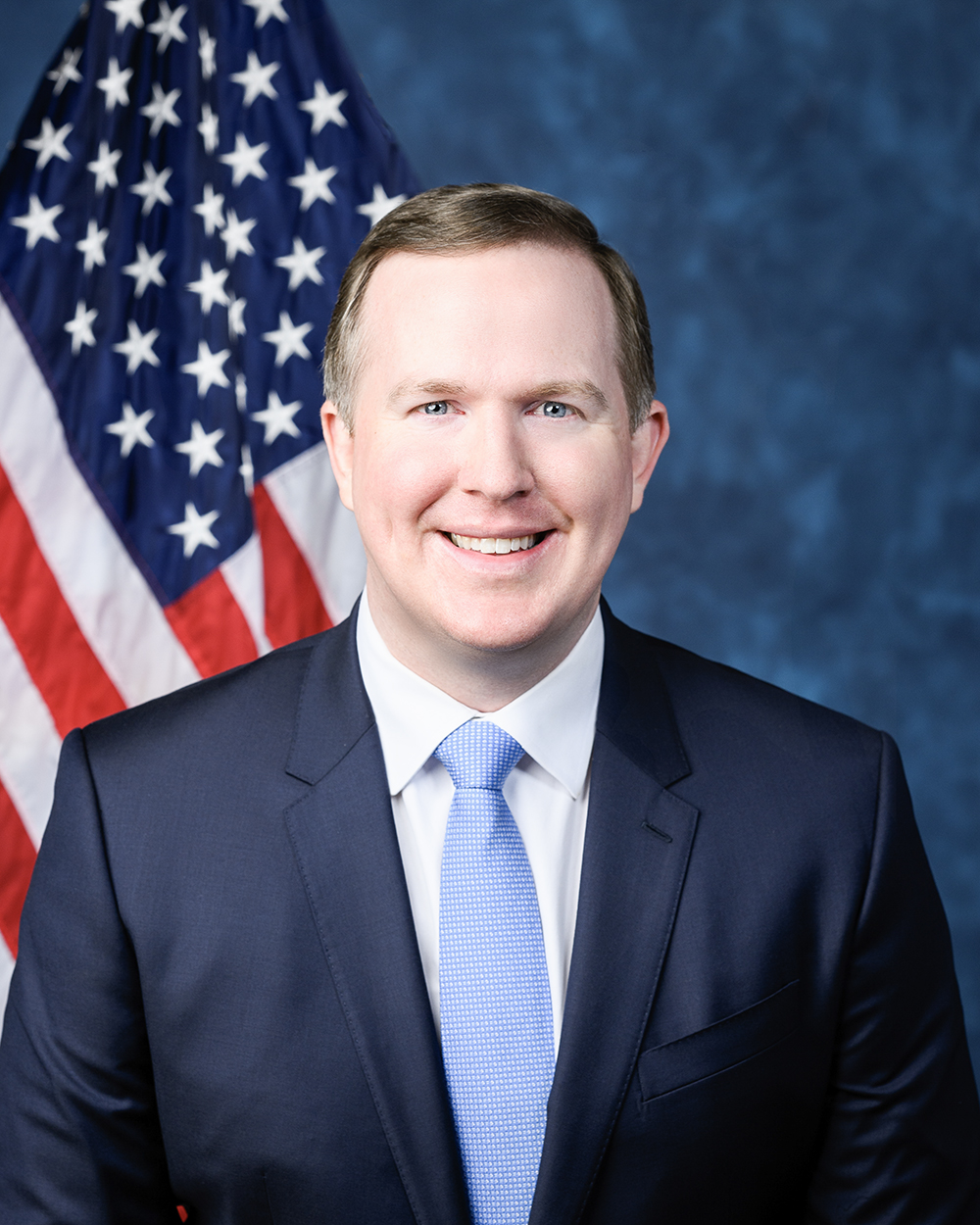
Richard McCormick
22% support rate
Ranked legislators
10
5 support · 5 oppose
Key legislators

Who's moving education in Georgia

Legislators moving education in Georgia
Legislator Party Stance Support rate Votes
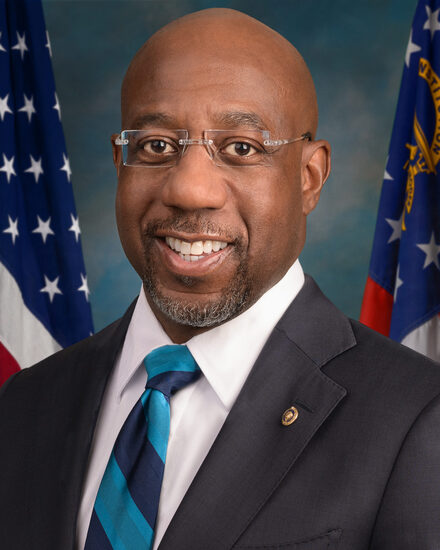
Raphael G. Warnock
Raphael G. Warnock Senate
D
Strong +
100% 167
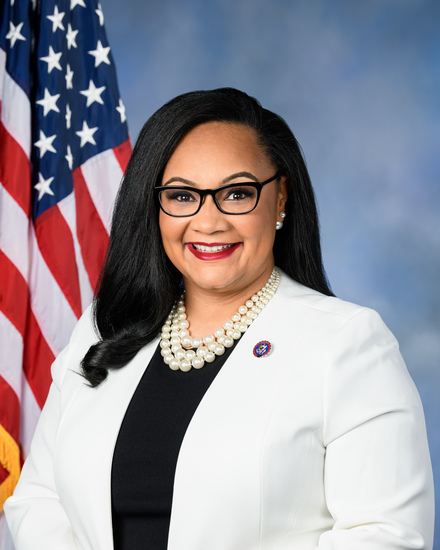
Nikema Williams
Nikema Williams House · District 5
D
Support
78% 127
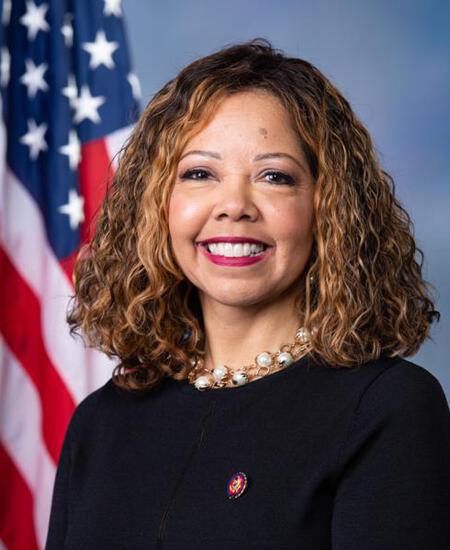
Lucy McBath
Lucy McBath House · District 6
D
Support
67% 128
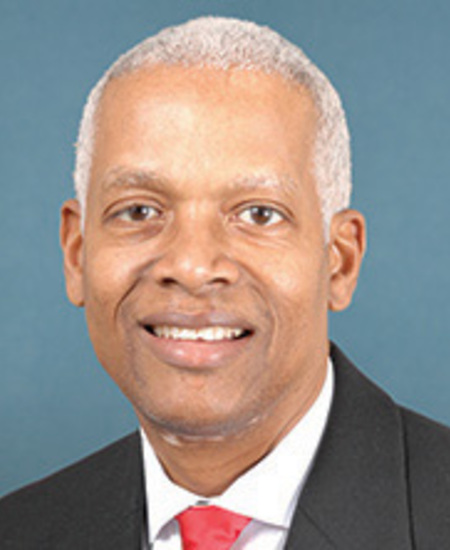
Henry C. "Hank" Johnson, Jr.
Henry C. "Hank" Johnson, Jr. House · District 4
D
Support
67% 130
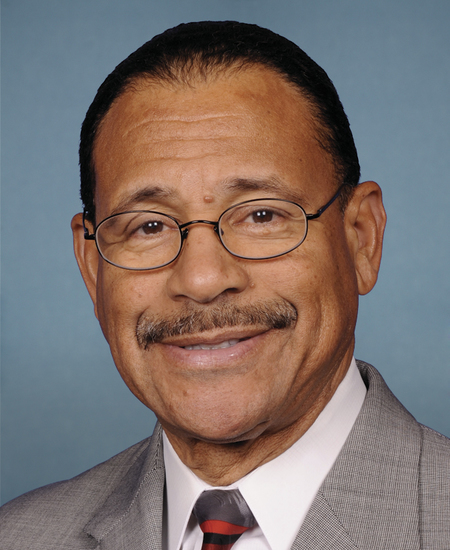
Sanford D. Bishop, Jr.
Sanford D. Bishop, Jr. House · District 2
D
Support
67% 130
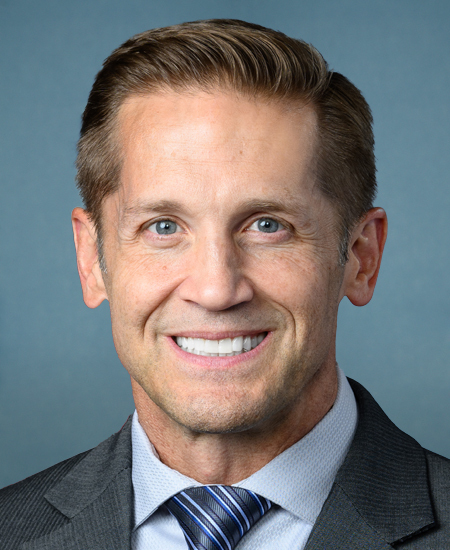
Richard McCormick
Richard McCormick House · District 7
R
Oppose
22% 131
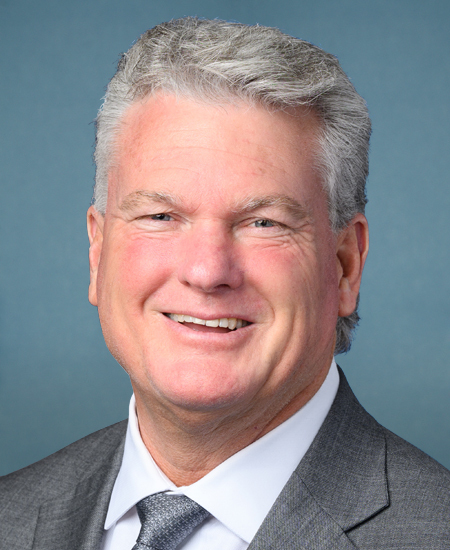
Mike Collins
Mike Collins House · District 10
R
Oppose
22% 130
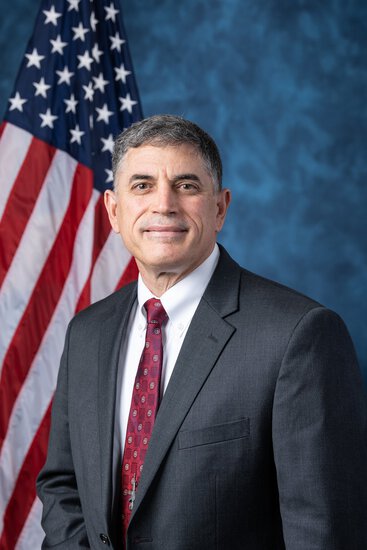
Andrew S. Clyde
Andrew S. Clyde House · District 9
R
Oppose
22% 114
Brian Jack
Brian Jack House · District 3
R
Oppose
33% 131
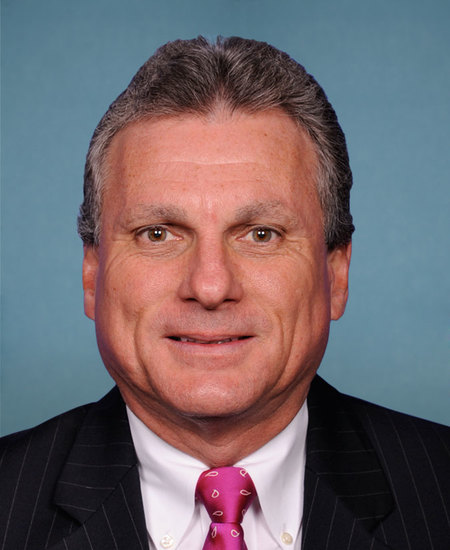
Earl L. "Buddy" Carter
Earl L. "Buddy" Carter House · District 1
R
Oppose
33% 127
Showing 1–10 of 231 bills

All education bills

in committee · United States · House Sep 4, 2026

HR 10298: Public Service Loan Forgiveness Inclusion Act of 2026

The Public Service Loan Forgiveness Inclusion Act of 2026 modifies federal student loan rules to make it easier for borrowers in public service jobs to qualify for debt cancellation. The bill changes how qualifying monthly payments are counted by allowing the first 60 payments to count regardless of their amount, while requiring subsequent payments to meet a specific minimum threshold based on a standard 10-year repayment schedule. It also expands eligibility to include payments made under the standard repayment plan and counts months where repayment was suspended due to administrative forbearance as qualifying payments if the borrower remained employed in public service. The Department of Education is required to notify affected borrowers about these changes within 180 days of enactment, with the new payment counting rules applying to those who have not yet made 120 monthly payments.
in committee · United States · House Aug 27, 2026

HR 10182: CEDS Act

The Care is an Economic Development Strategy (CEDS) Act amends the Public Works and Economic Development Act of 1965 to require that local economic development plans include strategies for increasing access to affordable, quality care-based services. These services specifically include child care, early childhood education, disability and long-term care, and elder care. The bill directs the Secretary of Commerce to issue implementation guidance within one year of enactment to help grant recipients integrate these requirements into their existing plans. To minimize administrative burden, communities with previously approved development strategies are only required to update their plans for compliance during their next regularly scheduled revision cycle.
Sub-Topics Early Childhood Long-Term Care Tags Economic Development
in committee · United States · House Sep 2, 2026

HR 10220: SIMPLE Act

The SIMPLE Act requires the Department of Education to automatically enroll borrowers who are at least 75 days delinquent on federal student loans into the income-driven repayment plan that offers them the lowest monthly payment. To facilitate this, the bill authorizes the use of IRS tax return data to determine a borrower's income and family size without requiring additional action from the borrower, provided they have approved such disclosure or are applying for loan rehabilitation. The legislation also establishes specific notification procedures at 31 days of delinquency and mandates that borrowers rehabilitating defaulted loans be placed in the most favorable repayment plan after making their ninth required payment. These automatic enrollment provisions take effect on July 1, 2028, while changes allowing borrowers to switch between repayment plans become effective immediately upon enactment.
in committee · United States · House Sep 3, 2026

HR 10266: No Elite Athletes Using X-pro status to ensure Prioritizing Recruitment Of Student-athletes (NEAUX PROS) Act

The NEAUX PROS Act prohibits colleges that receive federal student aid from allowing individuals who hold active professional sports contracts to compete in intercollegiate athletics in the same sport. To enforce this rule, the bill conditions continued eligibility for Title IV federal funding on institutions ensuring they do not permit such dual participation, with violations subject to standard financial aid enforcement actions like suspension or termination of funds. The legislation also creates a new federal criminal offense for athletics officials who knowingly recruit or sign professional athletes, carrying penalties of up to five years in prison, or ten years if the act was done for financial gain or as part of a pattern. Individuals may avoid being classified as professional athletes by rescinding their contracts in writing before receiving any compensation or providing athletic services under those agreements.
in committee · United States · House Aug 13, 2026

HR 10090: To amend the Internal Revenue Code of 1986 to impose an excise tax on certain institutions of higher education that allow male participation in female intercollegiate athletic programs or events.

HR 10090 would impose a 10 percent excise tax on private colleges and universities that allow individuals defined as biologically male to participate in intercollegiate athletic programs designated for females. The bill defines sex strictly by biological reproductive systems, excluding state institutions from this requirement. To prevent the financial burden of the tax from being shifted to students, the legislation prohibits affected schools from raising tuition or mandatory fees as a result of the liability. These provisions would take effect for taxable years beginning after December 31, 2025.
Sub-Topics Higher Education
in committee · United States · House Aug 3, 2026

HR 10031: READ Act

The READ Act amends the Elementary and Secondary Education Act to improve reading instruction by defining specific terms like "science of reading" and "high-impact tutoring" and requiring states to exclude certain teaching models that rely on context clues. The bill directs federal literacy grants to states, with mandatory funding for low-performing states, to implement evidence-based strategies such as universal early literacy screenings, professional development for teachers, and the adoption of high-quality instructional materials. It also mandates that states report data on student progress and teacher training while prohibiting the Department of Education from issuing regulations that dictate specific instructional content or curricula. Additionally, the legislation expands research initiatives to study reading development and requires the federal government to provide states with detailed reports on academic outcomes and achievement gaps.
Sub-Topics Curriculum Teachers
in committee · United States · House Jul 23, 2026

HR 9824: Daycare Not Detentions Act of 2026

The Daycare Not Detentions Act of 2026 provides additional funding to the Department of Health and Human Services to support child care programs, including the Child Care and Development Block Grant, Head Start, and preschool development grants. These funds are intended to help states and organizations cover necessary expenses for these programs through fiscal year 2029. The bill also rescinds $70 billion in previously allocated money for U.S. Customs and Border Protection and U.S. Immigration and Customs Enforcement that has not yet been spent. Overall, the legislation redirects federal resources toward early childhood education and care rather than immigration enforcement activities.
in committee · United States · House Jul 22, 2026

HRES 1450: Condemning all forms of hate.

This resolution condemns all forms of hate, including racism, antisemitism, transphobia, and xenophobia, while highlighting recent statistics on hate crimes affecting various communities. It calls for comprehensive federal and state policies to prevent hate crimes through education and intervention, as well as support for victims through legal aid and mental health resources. The measure also advocates for funding programs that are culturally accessible to vulnerable groups, such as immigrants and LGBTQIA+ individuals, and reaffirms the government's commitment to maintaining an inclusive democracy.
Sub-Topics Mental Health
in committee · United States · Senate Jul 14, 2026

SRES 802: A resolution honoring and celebrating National Boys and Girls Club Week.

This resolution honors National Boys and Girls Club Week by formally recognizing the organization's work with youth across the United States. It highlights the efforts of over 5,500 clubs that provide safe out-of-school programming and support more than 4.2 million young people annually. The Senate encourages the public to celebrate this week and commend the Boys and Girls Clubs of America for helping students develop essential skills in areas like STEM, leadership, and financial literacy.
in committee · United States · Senate Jun 23, 2026

S 4859: Pell Grant Preservation and Expansion Act of 2026

The Pell Grant Preservation and Expansion Act of 2026 aims to increase financial aid for college students by doubling the maximum Federal Pell Grant award to $10,000 for the 2026-2027 school year, with amounts rising annually to reach $15,000 by 2031-2032. The bill also changes the funding structure so that Pell Grants become a mandatory program that automatically adjusts for inflation rather than relying on annual congressional appropriations. Additional provisions expand eligibility to include students with negative financial aid indexes, provide special rules for recipients of means-tested benefits, and allow Dreamer students who become citizens or permanent residents to qualify for aid. The legislation further restores the total number of semesters a student can receive Pell Grants from 12 to 18 and modifies how institutions determine satisfactory academic progress to reduce penalties for students struggling with course requirements.
Showing 1 to 10 of 231 bills
1 2 3 24 Next