

Maddy summaryThe BUILD for Veterans Act of 2023 aims to improve how the Department of Veterans Affairs manages its physical infrastructure, including buildings, land, and related assets used to deliver health care and services to veterans. Key provisions require the VA to establish dedicated staffing for capital asset management at medical centers, develop performance metrics to track progress, and create a comprehensive 10-year strategic plan addressing staffing, budgeting, and planning needs. The bill also mandates climate resilience reviews for VA facilities, centralized management of asset disposal and reuse, and regular reports to Congress on capital asset projects, funding requirements, and performance metrics. These changes directly affect VA's operations across all medical centers, facilities, and infrastructure assets under its jurisdiction, aiming to make capital asset management more efficient and responsive to veterans' needs.
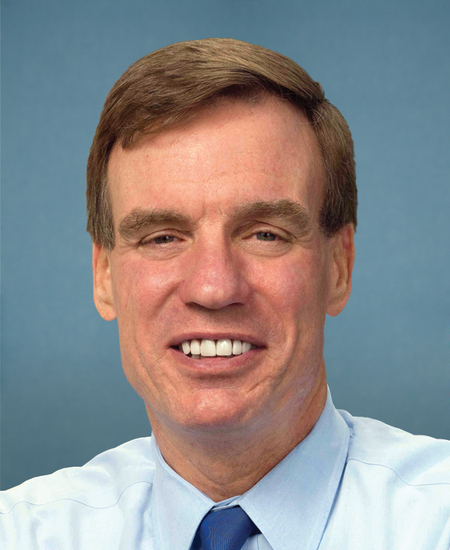
Sen. Mark R. Warner
Sponsored bills
Maddy summaryThis bill would ban the sale, manufacture, transfer, and possession of most semiautomatic rifles, pistols, and shotguns meeting specific criteria defined as "assault weapons," as well as large capacity ammunition magazines holding more than 10 rounds. The ban would not apply to weapons already owned before enactment, or to certain types like bolt-action rifles, antique firearms, or weapons used by law enforcement. The bill would require identification markings on new assault weapons and magazines, require background checks for transfers of "grandfathered" weapons, and authorize federal buy-back programs for banned weapons through Byrne grants. It includes exemptions for military, law enforcement, and certain historical firearms.
Emmett Till and Mamie Till-Mobley Congressional Gold Medal Act of 2021 This act provides for the posthumous presentation of a Congressional Gold Medal in commemoration of Emmett Till and Mamie Till-Mobley. After it is awarded, the medal shall be given to the National Museum of African American History and Culture.
Iran Hostages Congressional Gold Medal Act This bill provides for the award of a Congressional Gold Medal to the 53 hostages of the Iran Hostage Crisis (November 4, 1979-January 21, 1981) in recognition of their bravery and endurance throughout their captivity.
This bill designates the outdoor amphitheater at the Blue Ridge Music Center, located at 700 Foothills Road in Galax, Virginia, as the Rick Boucher Amphitheater.
Maddy summarySRES 875 is a non-binding Senate resolution declaring racism a public health crisis in the United States. It directly affects racial and ethnic minority communities, which face documented health disparities including lower life expectancy, higher maternal mortality, and worse pandemic outcomes due to systemic inequities. The resolution commits the Senate to establishing a nationwide strategy to address health disparities, dismantle systemic racism, and advance reforms for communities disproportionately impacted by racism. It cites evidence from public health experts and historical data showing racism meets all criteria of a public health crisis: widespread impact, unfair distribution, preventable nature, and lack of current preventive measures. The resolution is symbolic, urging cross-government action but not creating new laws or funding.
Protect Our Services Today Act of 2022 or the POST Act This bill prohibits the U.S. Postal Service (USPS) from closing any USPS facility during the COVID-19 public health emergency period.
Safeguarding Treatment for the Restoration of Ecosystems from Abandoned Mines Act or the STREAM Act This bill allows a state to set aside up to 30% of its annual grant for abandoned mine reclamation provided under the Infrastructure Investment and Jobs Act for the treatment and abatement of acid mine drainage, which is the release of acidic water from abandoned coal mines.
Startup Act This bill provides conditional visas to certain immigrants with advanced educational credentials. It also establishes a grant program to promote innovation and imposes requirements on certain rulemaking activities. The Department of Homeland Security (DHS) may provide conditional permanent resident status to up to 50,000 aliens with advanced science, technology, engineering, or math (STEM) degrees. Such aliens may remain in the country for up to one year after the expiration of a student visa to find employment, or indefinitely if already engaged in a STEM field. DHS may issue conditional immigrant visas for up to 75,000 qualified alien entrepreneurs. The bill imposes various requirements on such entrepreneurs, such as creating a number of full-time jobs for a period of time, after which the alien shall receive permanent resident status. The bill increases the per-country cap on family-based immigrant visas from 7% of the total number of such visas available that year to 15%, and eliminates the 7% cap for employment-based immigrant visas. It also removes an offset that reduced the number of visas for individuals from China. The bill establishes a grant program to support the commercialization of federally-funded research. It also requires the Small Business Administration to award grants regionally to interconnected businesses within an industry sector. This bill requires federal agencies, before proposing a rule that may have a significant economic effect, to publish an analysis of the rule, including the problem the rule intends to address and a cost-benefit analysis.
Maddy summaryThis bill designates September as "African Diaspora Heritage Month" in the U.S. Code (Section 3(a)). It requests the President and state/local officials issue annual proclamations encouraging communities to observe the month with programs and activities. The bill directly affects all Americans by creating a designated month for recognizing the African diaspora community's contributions, as outlined in the findings section. This is a procedural designation with no new funding or regulatory changes.