

Maddy summary# Summary of Proposed Election Reform Legislation This comprehensive legislative document outlines a wide-ranging election reform bill with multiple titles addressing various aspects of voting rights, election administration, and election integrity. Key provisions include: 1. **Democracy Restoration** (Title I): - Restores voting rights for citizens with criminal convictions (except those serving felony sentences in correctional institutions) - Requires states to notify individuals of restored voting rights upon completion of sentence or release from custody - Includes enforcement mechanisms for states to comply with the restoration provisions 2. **Voter Identification Requirements** (Title II): - Establishes a standardized system for voter identification requirements - Specifies acceptable forms of identification (including many government-issued documents) - Requires states to provide free identification documents to eligible voters - Includes funding ($5 million annually for 5 years) to cover costs 3. **Voter List Maintenance** (Title III): - Prohibits "voter caging" (using undeliverable mail to challenge voter eligibility) - Requires states to verify voter ineligibility using objective and reliable evidence - Limits removal of voters from registration lists to specific circumstances (death, permanent move) - Mandates notice requirements for voters removed from lists 4. **Election Integrity** (Title IV): - Prohibits interference with voter registration (Section 612) - Restricts removal of local election administrators to cases of inefficiency, neglect, or malfeasance - Prohibits harassment and intimidation of election workers - Bans deceptive practices in elections (false information about voting procedures, qualifications, or endorsements) The legislation aims to expand voting access while maintaining election integrity, with specific focus on eliminating barriers for people with criminal convictions, ensuring fair voter list maintenance, and protecting election workers from harassment and intimidation. It also includes provisions for enforcement through civil actions, criminal penalties, and reporting requirements.
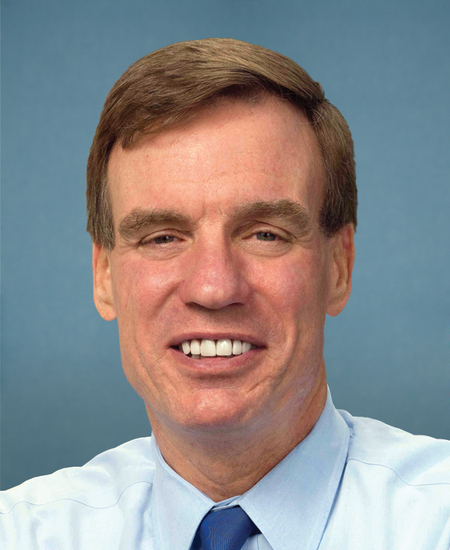
Sen. Mark R. Warner
Sponsored bills
Maddy summaryS 2477 (Equitable Community Access to Pharmacist Services Act) expands Medicare Part B coverage to include specific pharmacist services previously only covered when provided by physicians. It directly affects Medicare beneficiaries and pharmacists by allowing coverage for services like evaluating patients for COVID-19, flu, or respiratory illnesses, and addressing public health emergencies - provided pharmacists are licensed or operating under federal emergency authority. The bill establishes payment at 80% of the lesser of actual charge or 85% of physician payment rates (100% during federal emergencies) and prohibits balance billing for these services. It also clarifies that existing Medicare enrollment pathways for pharmacists remain available. This bill modifies Medicare Part B coverage under the Social Security Act without restricting current pharmacy reimbursement options.
Maddy summaryThe Motorsports Fairness and Permanency Act of 2023 makes the 7-year tax depreciation recovery period for motorsports entertainment complexes permanent. This directly affects businesses operating racetracks and motorsports facilities by allowing them to spread the tax deduction for certain assets over seven years instead of a shorter period. The bill amends Section 168(i)(15) of the Internal Revenue Code by removing a temporary provision (subparagraph (D)) that previously limited this recovery period. As a result, these businesses will retain the 7-year tax benefit indefinitely without needing future legislative changes.
Maddy summaryThis bill establishes a new Office of Community Financial Institutions within the Small Business Administration to specifically support community lenders serving small businesses. It requires the appointment of a Director with expertise in underserved communities to develop programs, coordinate with federal agencies like the Treasury and FDIC, and provide technical assistance to community lenders. The Director must hold public meetings annually and submit detailed reports to Congress every three years on the office's activities and recommendations. This directly affects community financial institutions and small business owners in areas with limited access to capital, aiming to improve their economic opportunities through targeted federal support.
Maddy summaryThe Relief for Survivors of Miners Act of 2023 simplifies benefits for survivors of miners who died from black lung disease (pneumoconiosis). It creates a rebuttable presumption that a miner's death was caused by the disease if they worked 10+ years in coal mines or were totally disabled by the disease at the time of death - this presumption can only be overturned by proving the disease didn’t contribute to the death. The bill also establishes a new program to cover up to $4,500 in attorneys’ fees and $3,000 in medical expenses for contested claims unresolved within a year, with coal operators later reimbursing the fund. Additionally, it requires a Government Accountability Office review of current benefit payments and interim payment practices to assess their financial and emotional impact on survivors.
Initiating Meaningful Patient Review Of Various Existing Part D Regulations Act or the IMPROVE Part D Regulations Act This bill requires the Centers for Medicare & Medicaid Services (CMS) to conduct patient-focused listening sessions on how to improve the Medicare prescription drug benefit. Specifically, the CMS must conduct at least one listening session with beneficiaries, health care providers, and other stakeholders about ways to improve the Medicare prescription drug benefit, including with respect to the information, tools, and mechanisms available to beneficiaries for navigating coverage options and requirements. The CMS must consider potential regulatory changes in light of these sessions.
Maddy summaryS 2372, the Accelerating Kids’ Access to Care Act, streamlines enrollment for out-of-state healthcare providers who treat Medicaid-eligible children under 21 with medically complex conditions. It requires states to adopt a process allowing these providers to join state Medicaid/CHIP programs without extra state-level screening, provided they already meet federal Medicare or home-state program requirements and pose low fraud risk. The bill establishes a 5-year enrollment period for eligible providers, directly affecting children needing specialized care across state lines and the providers serving them. Key provisions remove barriers to interstate care coordination while maintaining federal oversight standards.
Maddy summary# Summary of Comprehensive Election Reform Bill This document is a comprehensive voting rights and election reform bill containing multiple titles with various provisions designed to: 1. **Restore voting rights** for citizens with criminal convictions (Democracy Restoration Act) - Restores voting rights for citizens not serving felony sentences in correctional institutions - Requires states to notify individuals of restored voting rights upon release or probation - Establishes enforcement mechanisms through civil actions 2. **Strengthen voter identification requirements** - Establishes a broad list of acceptable identification documents - Requires states to provide government-issued identification at no cost - Allows for provisional ballots with sworn statements for those without ID - Includes provisions for electronic documents and copies 3. **Prohibit voter caging and improper voter list maintenance** - Bans the use of "voter caging" documents or lists as evidence for challenging voter eligibility - Establishes strict conditions for removing voters from registration lists - Requires objective and reliable evidence for removals - Mandates notification procedures for voters removed from lists 4. **Enhance election integrity protections** - Prohibits interference with voter registration (including hindering, interfering with, or preventing registration) - Restricts removal of local election administrators to cases of inefficiency, neglect, or malfeasance - Protects election workers from intimidation and harassment - Bans deceptive practices regarding election information within 60 days of an election - Establishes criminal penalties for deceptive election practices 5. **Provides enforcement mechanisms** - Establishes private rights of action for violations - Includes civil and criminal penalties for violations - Requires reports to the Department of Justice for removals of election administrators - Sets specific timeframes for notification and corrective actions The bill aims to expand voting access while maintaining election integrity, with provisions designed to protect voting rights, prevent discrimination, and ensure fair administration of elections for Federal office.
Maddy summaryThe Paycheck Fairness Act aims to reduce gender-based pay disparities by strengthening protections against wage discrimination. It modifies the "bona fide factor" defense to require employers to prove pay differences are based on job-related factors rather than sex, prohibits reliance on salary history when making hiring decisions, and requires employers with 100+ employees to collect and report pay data disaggregated by sex, race, and ethnicity. The bill enhances penalties for violations, including compensatory and punitive damages, and strengthens non-retaliation protections for employees discussing wages. These changes directly affect employers, employees, and prospective employees, with particular focus on addressing pay gaps that disproportionately impact women and women of color. The act also creates a National Award for Pay Equity in the Workplace to recognize employers making progress in eliminating pay discrimination.
Maddy summaryThe LIFT Homebuyers Act of 2023 creates a new program to help low-income first-time homebuyers purchase single-family homes. It establishes a government fund to subsidize mortgage payments, capping them at 100-110% of standard 30-year FHA loan payments for eligible buyers earning under 120% of local median income (140% in high-cost areas). The program requires borrowers to self-attest to eligibility - such as being a first-time homebuyer with no parental home ownership history - without additional verification. It applies to mortgages insured by HUD or USDA with case numbers issued by December 2025, aiming to expand access through simplified loan terms and reduced upfront costs.