

Maddy summarySRES 933 is a Senate resolution calling on the United Nations Security Council to enforce the existing arms embargo on Darfur and extend it to cover all of Sudan, including dual-use equipment like items usable for both civilian and military purposes. It also urges the UN to strengthen sanctions enforcement against violators and create mechanisms for humanitarian aid and civilian protection. The resolution directs the U.S. government to support monitoring of weapons deliveries, improve tracking of arms flows, and work with international partners to pressure Sudan’s warring parties. This resolution directly addresses the UN Security Council and U.S. agencies, aiming to address ongoing conflict and atrocities documented since the April 2023 Sudan war began.
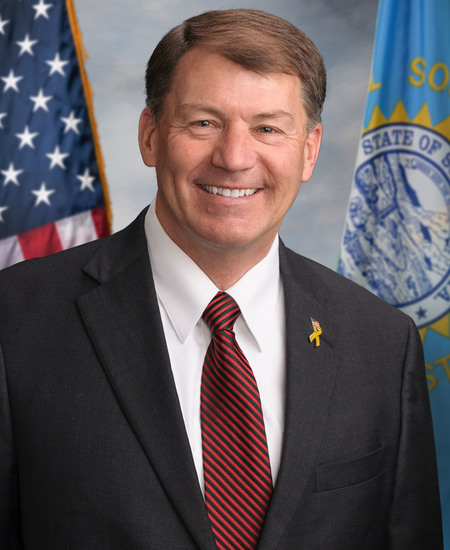
Sen. Mike Rounds
Sponsored bills
Maddy summaryThis bill amends the Robert T. Stafford Disaster Relief Act to allow federally recognized tribal governments to directly apply for federal fire management grants, which previously required state government requests. It creates a new process where tribal leaders (not just state governors) can submit requests for assistance after wildfires, and requires FEMA to update regulations within 360 days to implement this change. The regulations must let FEMA accept direct tribal applications, clarify that tribes remain eligible for state-authorized assistance if their direct request is denied, and include tribal consultation. This directly affects tribes managing wildfire response by giving them independent access to federal funding for fire prevention and recovery efforts.
Maddy summaryThe Future of Artificial Intelligence Innovation Act of 2024 establishes the Artificial Intelligence Safety Institute within the Department of Commerce to develop voluntary safety standards, metrics, and evaluation tools for AI systems. The bill creates AI testbeds for research and development, including a foundation model test program, and promotes international cooperation on AI standards through an alliance with like-minded countries. It requires the Comptroller General to identify regulatory barriers to AI innovation and directs the development of public datasets to support AI advancement. The Institute will work with private sector entities, national laboratories, and international partners to promote safe and effective AI development across various sectors. The bill focuses on facilitating AI innovation through voluntary standards and public-private partnerships rather than imposing new regulations.
Maddy summaryThe Homebuyers Privacy Protection Act (S 3502) limits how consumer credit reports can be shared during mortgage applications. It prevents credit reporting agencies from sending these reports to third parties solely based on a mortgage-related request, unless the third party has the homebuyer's explicit authorization or is directly involved in the loan (like the mortgage lender, loan servicer, or their bank holding the homebuyer's account). This directly affects homebuyers applying for residential mortgages by restricting unauthorized sharing of their credit data. The bill amends the Fair Credit Reporting Act to add these privacy protections without creating new government programs or altering existing mortgage processes.
Maddy summaryThe Good Samaritan Remediation of Abandoned Hardrock Mines Act of 2024 establishes a pilot program allowing qualified individuals or organizations (defined as "Good Samaritans") to remediate historic mine residue at abandoned hardrock mine sites without facing liability for their actions. The Environmental Protection Agency would grant up to 15 permits for projects that address pollution from abandoned mines, with applicants required to demonstrate they meet specific eligibility criteria (not being responsible owners/operators, having no role in creating the residue, and possessing adequate resources). The program includes liability protection for permitted activities, requires detailed remediation plans with baseline condition assessments, public notice, and environmental reviews, and establishes a fund for long-term operations and maintenance. This 7-year pilot program would directly affect communities near abandoned mine sites and qualified remediation groups seeking to address environmental contamination.
Maddy summaryThe CREATE AI Act of 2024 establishes a National Artificial Intelligence Research Resource (NAIRR) to improve access to computational resources, data, and AI testbeds for researchers and students. The NAIRR will be managed by the National Science Foundation with an Operating Entity selected through a competitive process, providing resources to eligible users at universities, non-profits, government agencies, and certain small businesses. The bill requires the NAIRR to prioritize projects focused on privacy, ethics, civil rights, safety, and trustworthiness of AI systems. It creates governance structures including an NAIRR Steering Subcommittee chaired by the Director of the Office of Science and Technology Policy to oversee the resource's development and operations. The goal is to democratize AI research by making resources more accessible to a broader range of researchers and students, particularly those from underrepresented groups in STEM.
Maddy summaryThe BADGES for Native Communities Act aims to improve safety and response systems for Native American communities by addressing gaps in data collection and law enforcement coordination. It establishes Tribal facilitators to coordinate reporting of missing persons, unclaimed remains, and death investigations involving Native people to the National Missing and Unidentified Persons System. The bill creates a grant program to support state and tribal coordination on missing persons cases, a demonstration program for background checks of Bureau of Indian Affairs law enforcement officers, and requires studies on evidence handling and mental health resources for law enforcement officers. These provisions directly affect Native American tribes, Tribal organizations, and federal agencies like the Bureau of Indian Affairs and the Department of Justice. The bill includes reporting requirements to Congress to track implementation and outcomes of these programs.
Maddy summaryThe Federal Acquisition Security Council Improvement Act of 2024 amends the Federal Acquisition Security Council structure to strengthen national security protections in government procurement. It redefines key terms like "covered source of concern" (a foreign entity posing security risks) and establishes a more structured Council within the Executive Office of the President with specific agency representatives. The Council will develop a prioritization scheme for evaluating security risks, issue "designated orders" to exclude certain foreign sources from government contracts, and monitor compliance with these orders. The bill creates a Program Office within the Office of the National Cyber Director to support these functions and establishes procedures for reviewing and modifying exclusion orders.
Maddy summaryThe Forgotten Heroes of the Holocaust Congressional Gold Medal Act (S. 91) authorizes the award of a single Congressional Gold Medal to 60 diplomats who risked their careers and safety to save Jewish lives during the Holocaust. These diplomats, representing countries including Sweden, Switzerland, Spain, Portugal, and others, issued visas and provided safe passage to Jews fleeing Nazi persecution despite strict orders from their home governments. The medal will be presented collectively to the next of kin of each diplomat, along with representatives from their home countries, and then permanently displayed at the United States Holocaust Memorial Museum. The act recognizes these individuals' bravery without implying they represent all who performed similar humanitarian acts during the Holocaust. The medal serves as a permanent tribute to their sacrifice and will be available for public display and research.
Maddy summaryThis bill amends the Robert T. Stafford Disaster Relief Act to increase the population threshold for "small impoverished community" from 3,000 to 5,000 residents. It directly affects communities that previously did not qualify for certain disaster aid programs due to population size but now meet the revised definition. The key mechanism is a simple textual change in Section 203(a) of the Act, expanding eligibility for federal disaster assistance to more communities. This adjustment makes no other policy changes, focusing solely on the population definition for aid access.