This resolution supports the designation of September 21, 2023, as National Teach Ag Day and recognizes the important role of agricultural education and the National FFA Organization in developing the next generation of agricultural leaders.
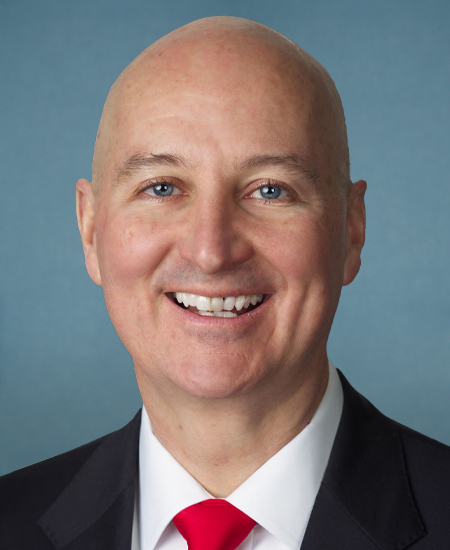
Sen. Pete Ricketts
Sponsored bills
Maddy summarySenate Resolution 376 clarifies the existing requirement for business attire on the Senate floor, specifying that men must wear a coat, tie, and long pants. The resolution designates the Senate Sergeant at Arms to enforce this dress code and mandates that any future changes to the rule require a two-thirds vote of all senators. This procedural resolution formalizes current standards without altering them, ensuring consistency in Senate decorum.
Maddy summaryThis bill requires all states to apply a uniform asset test to every Medicaid applicant and recipient, removing previous exemptions for people based on age, blindness, or disability. It ties the asset limit to the Supplemental Security Income (SSI) program's maximum resource threshold, meaning individuals with assets exceeding SSI limits would lose eligibility (except for pregnant/postpartum women and children under 19, who retain continuous eligibility). States must implement electronic asset verification systems within one year and report on eligibility determinations, including asset checks conducted. The bill also mandates the federal government track savings from these verification efforts and requires states to submit compliance reports to Congress.
Maddy summarySRES 208 is a Senate resolution designating November 12, 2023, as "National Warrior Call Day." It encourages U.S. citizens, particularly those connected to military service, to reach out to veterans through peer-to-peer conversations to support their mental health and transition from military life. The resolution highlights veteran suicide statistics (6,146 deaths in 2020) and emphasizes that isolation - exacerbated by the pandemic - increases risks for conditions like PTSD. It does not create new programs but urges public engagement to connect veterans with support systems. This is a symbolic, awareness-raising measure with no binding policy changes.
Maddy summaryThis bill denies asylum to individuals who were members of the Chinese Communist Party (CCP) or other totalitarian parties under U.S. immigration law. It amends asylum rules to bar such applicants unless they publicly renounce their party membership during the application process and prove their affiliation was involuntary (e.g., due to age, law, or basic survival needs). Exceptions allow asylum if the applicant provides significant national security information, after renouncing membership and being deemed non-threatening by immigration and intelligence officials. The policy directly affects asylum seekers with ties to the CCP or similar parties, altering their eligibility under existing immigration statutes.
Maddy summaryThe Stop EV Freeloading Act (S 2882) imposes new taxes on electric vehicle (EV) manufacturers and importers. It levies a $550 tax on each heavy battery module (over 1,000 pounds) and a $1,000 tax on each new electric vehicle sold, excluding hybrid vehicles that use both internal combustion engines and rechargeable batteries. The tax revenue will be transferred to the Highway Trust Fund, which funds transportation infrastructure. These taxes apply to sales occurring after December 31, 2023.
Maddy summaryS 2911, the "Protecting the Right To Keep and Bear Arms Act of 2023," prevents federal officials from using emergency declarations to impose gun control. It bans the President from declaring emergencies under the National Emergencies Act or the Stafford Act for gun control purposes, and stops the Health and Human Services Secretary from declaring public health emergencies for the same reason. The bill also amends the Stafford Act to explicitly prohibit emergency declarations that would restrict firearm possession, sale, or transfer of firearms, ammunition, or related accessories. This directly affects how federal emergency powers can be used during crises, limiting actions that could impact gun rights under the Second Amendment.
Maddy summaryThis bill requires the Secretary of State to notify Congress before entering, renewing, or extending any science and technology agreement with China. It mandates a 30-day waiting period after submitting detailed documentation to congressional committees, including the full agreement text, national security justification, risk assessments of technology transfer, human rights considerations, and monitoring plans. Existing agreements with China must be revoked unless the Secretary submits this notification within 60 days of the bill's enactment. The law directly affects U.S. diplomatic negotiations with China on scientific and technical collaborations.
Maddy summaryThis bill renames the Food for Peace program after Peter O'Brien and makes key changes to how U.S. agricultural commodities are provided for international food aid. It prohibits using cash, vouchers, or food bought outside the U.S. for aid, limits non-commodity expenses to 50% of annual funds, and requires detailed annual reports on fund usage and program waivers. These changes directly affect U.S. agricultural exports and international food assistance programs administered by the U.S. government. The bill focuses on directing aid through U.S.-produced commodities while increasing transparency in how funds are spent.
Maddy summaryThe Pay Our Military Act of 2023 ensures that military personnel, Defense Department civilians supporting them, and qualifying Defense contractors continue receiving pay during any funding gap in fiscal year 2024. It appropriates funds from the Treasury to cover military pay, allowances, and support staff salaries when regular budget legislation is delayed. The funding remains available until either a full budget is passed, a continuing resolution is enacted, or January 1, 2025, whichever occurs first. This bill directly affects active-duty service members, reserve components, Defense civilians, and contracted support staff by guaranteeing their compensation during fiscal uncertainty.