Maddy summaryThis House Resolution recognizes the efforts and public safety contributions of linemen and the important role they play in maintaining the nation's energy infrastructure. It expresses support for designating April 18, 2026, as "National Lineman Appreciation Day" and acknowledges linemen as first responders.
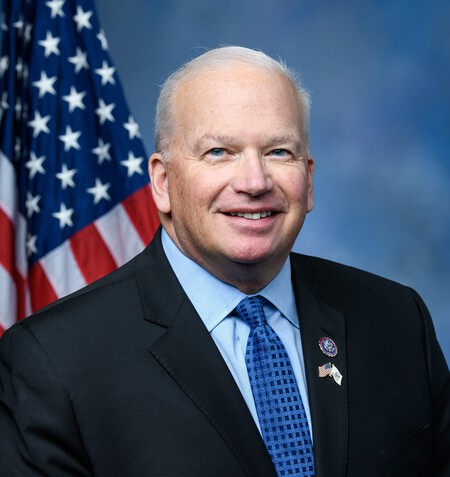
Rep. Scott Fitzgerald
Sponsored bills
Maddy summaryThe SAFER Act of 2026 establishes federal standards for when financial institutions can transfer certain unclaimed securities, digital assets, and investment accounts to state governments under unclaimed property laws. It directly affects individuals and entities holding these assets, as well as the financial institutions that custody them. Under the bill, financial institutions generally cannot turn over assets from natural persons unless their death is confirmed at least three years prior with no fiduciary interest, or after five years of no contact for other entities. The bill also requires financial institutions to periodically check death databases for inactive accounts of individuals at retirement age and preempts conflicting state escheatment laws regarding these assets.
Maddy summaryThis bill expands the U.S. Secret Service's authority to investigate money laundering and cybercrime by explicitly adding these offenses to their existing mandate. It extends the period for sharing financial data with law enforcement from 5 to 10 years under FinCEN rules and increases reporting requirements for international financial institutions from 6 to 10 years. The bill also requires the Government Accountability Office to report on law enforcement's ability to identify and stop money laundering in cybercrime within one year of enactment. These changes directly affect federal law enforcement agencies, financial institutions, and cybersecurity investigators by strengthening investigative tools and data access.
Maddy summaryHR 6194, the Protecting Americans from Russian Litigation Act of 2025, prevents U.S. persons (individuals or businesses) from facing civil lawsuits in U.S. courts related to complying with U.S. sanctions or export controls. It blocks the enforcement of foreign court judgments or arbitral awards where the claim arose from actions taken to comply with U.S. sanctions, or where foreign courts based jurisdiction on those sanctions. The law requires federal or state courts to dismiss such cases and applies broadly to all U.S. sanctions, not just those targeting Russia. Exceptions include lawsuits related to terrorism, torture, or contractual disputes resolved under U.S. courts or arbitration.
Love Lives On Act of 2025 This bill extends entitlement for various benefit programs and services for surviving spouses of deceased members of the Armed Forces or veterans. The bill provides that the remarriage of a surviving spouse must not bar the furnishing of dependency and indemnity compensation or special pension benefits to such spouse. Additionally, the Department of Defense may not terminate the payment of an annuity for a surviving spouse under the Survivor Benefit Plan solely because the surviving spouse remarries. The bill also expands the definition of a dependent under TRICARE to include a remarried widow or widower whose subsequent marriage has ended due to death, divorce, or annulment.
Maddy summaryHR 556, the Protecting Access for Hunters and Anglers Act, prevents federal agencies from banning lead ammunition or tackle on public lands and waters managed for hunting or fishing. It directly affects hunters and anglers using federal lands (like national wildlife refuges, public forests, and BLM lands) by blocking nationwide restrictions on lead products. The bill allows limited exceptions only for specific locations where wildlife decline is directly linked to lead use, and the restriction must align with state law or get approval from the state wildlife agency. This changes how federal land managers can regulate lead, requiring state coordination for any local restrictions.
Maddy summaryHR 5688, the Non-Domiciled CDL Integrity Act, changes rules for issuing commercial driver's licenses (CDLs) to people who don't live in the state where the license is issued. It allows states to issue CDLs to foreign nationals with lawful U.S. immigration status and work-related visas (valid for up to one year or until their stay ends), requiring states to verify status before issuing and keep records for two years. For residents of U.S. territories like Puerto Rico, it requires proof of U.S. citizenship or permanent residency before issuing CDLs, with similar verification and record-keeping rules. The bill directly affects commercial drivers from foreign countries and U.S. territories seeking CDLs in states where they are not residents.
Enhanced Iran Sanctions Act of 2025 This bill imposes sanctions on certain foreign persons (individuals and entities) that are involved in Iran's petroleum sector as well as certain associated persons. The bill also requires or authorizes actions to facilitate the enforcement of sanctions on Iran. Specifically, the bill requires the President to impose visa- and property-blocking sanctions on any foreign person that, after the bill's enactment, knowingly engages in any transaction related to the processing, export, or sale of oil, condensates, gas, liquefied natural gas, or other petrochemical products in whole or in part from Iran. The President must also impose sanctions on certain foreign persons associated with a sanctioned individual or entity. For example, the President must sanction the subsidiaries and corporate officers of a sanctioned business. The bill provides certain exceptions to these sanctions, including specifying that sanctions do not apply to the importation of goods or to conducting or facilitating transactions for humanitarian assistance. The Department of State must establish an interagency working group that shall seek to establish a multilateral contact group to coordinate international efforts to enforce sanctions on Iran. The bill expands the State Department rewards program to authorize a reward payment to any individual who furnishes information leading to the identification of a person (1) subject to sanctions under this bill, or (2) that has attempted or is attempting to evade sanctions under this bill.
Maddy summaryThis bill, known as the Promoting Innovation in Blockchain Development Act, modifies federal law to include digital assets like cryptocurrencies within the existing legal framework for money laundering. It directly affects individuals and organizations involved in blockchain technology by expanding the definition of what constitutes currency under the Racketeer Influenced and Corrupt Organizations Act. The key provision adds language recognizing that digital value substitutes for traditional currency, ensuring these assets are covered by current anti-money laundering regulations. This change aims to clarify legal protections and compliance requirements for the growing blockchain industry without altering other parts of the law.
Maddy summaryHR 7681, the "HSA’s For All Act," would expand eligibility for Health Savings Accounts (HSAs) by allowing individuals enrolled in any qualified health plan - not just high-deductible plans - to contribute to an HSA. It directly affects people covered by Affordable Care Act marketplace plans or employer group health plans, removing the current requirement for a high-deductible health plan (HDHP) to qualify. The bill amends tax code definitions to replace "high-deductible health plan" with "covered health plan" throughout relevant sections, simplifying eligibility rules. This change would take effect for tax years beginning after December 31, 2026.