Maddy summaryHR 4796, the Restoring Essential Healthcare Act, repeals a provision that blocked Medicaid payments to certain healthcare providers during a specific period. It directly affects Medicaid beneficiaries who received care from these providers between the enactment of the prior law (Public Law 119-21) and this bill's enactment. The key provision retroactively restores Medicaid payments for services already provided during that blocked period, treating the payment restriction as if it never existed. This change ensures eligible individuals and providers receive reimbursement for covered care delivered during the prohibited timeframe.
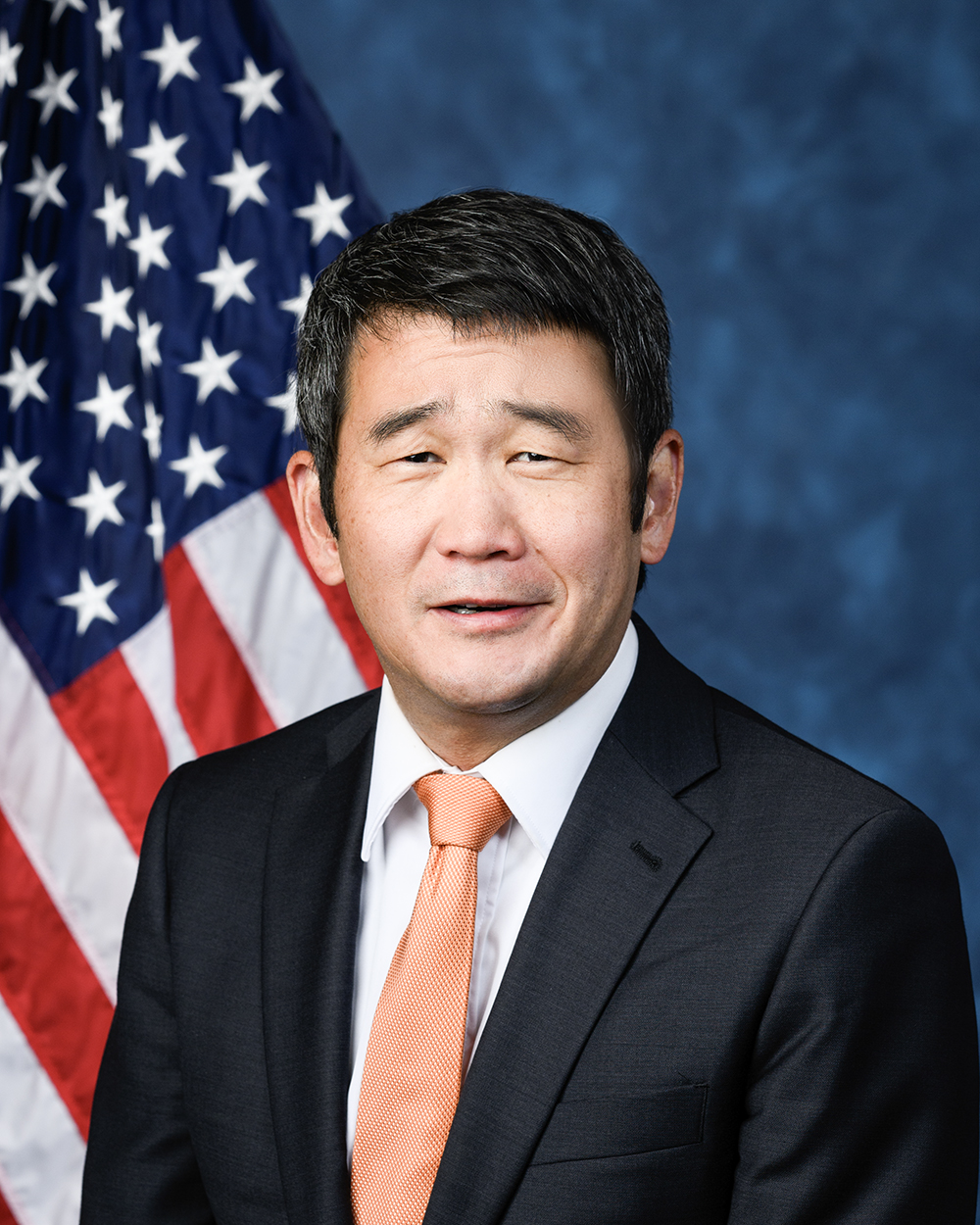
Rep. Dave Min
Sponsored bills
Maddy summaryThe Corporate Crime Database Act of 2025 requires the Bureau of Justice Statistics to create a public database tracking federal enforcement actions related to corporate crimes. Federal agencies must submit data on corporate offenses - such as violations committed by businesses or employees acting in their job roles - and include details like the business involved, the offense type, relevant laws, enforcement agency, and outcome. The database will be searchable online, updated annually, and include historical and future enforcement actions. This affects federal agencies that handle enforcement and makes corporate crime data accessible to the public for transparency.
Maddy summaryThe Partner with Korea Act creates a new visa category for South Korean nationals to work in specialty occupations in the U.S., with an annual cap of 15,000 visas. Employers must file an attestation with the Department of Labor, which the Secretary of Labor must certify before the visa is approved. The visa limit applies only to the principal worker and excludes spouses or children. This bill directly affects South Korean workers seeking specialty jobs and U.S. employers hiring them under this new category.
Maddy summaryHR 4702, the National Fire Academy Reporting Act, requires the National Fire Academy Administrator to submit an annual report to Congress by November 30 each year. The report must detail specific data about courses, programs, and funding from the previous fiscal year, including the number of fire departments and personnel (categorized as career or volunteer) that attended, the total courses offered and cancelled, and how funds were distributed to state/local training programs and student participants. This bill does not change funding levels or program requirements but mandates standardized reporting to Congress. The requirement begins after the bill's enactment, with the first report due November 30 of the first full year following enactment.
Maddy summaryH.J. Res. 108 proposes a constitutional amendment to remove legal immunity for federal officials, including the President, from criminal prosecution for actions taken while performing official duties. It would prohibit the President from granting pardons to themselves and eliminate the defense that "official authority" excuses violations of federal or state law (with limited exceptions for certain congressional actions). If ratified, this amendment would require Congress to pass implementing laws to enforce these changes. The proposal is currently in the House Judiciary Committee and requires approval by three-fourths of state legislatures to become part of the Constitution.
Maddy summaryThis bill prohibits life, disability, and long-term care insurers from denying coverage, canceling policies, or increasing premiums based solely on a person's status as a living organ donor. It directly protects living organ donors by preventing insurance discrimination unrelated to actual health risks. The bill also requires the Health and Human Services Secretary to update public educational materials about organ donation benefits, risks, and insurance impacts within six months of enactment. These materials will include information on the new insurance protections established by the bill. The law relies on state insurance regulators for enforcement of the insurance provisions.
Maddy summaryThis bill amends the Family and Medical Leave Act (FMLA) and federal employee leave rules to clarify that recovery from organ donation surgery qualifies as a "serious health condition." It directly affects private-sector workers covered by the FMLA and federal civil service employees. The key change adds "including recovery from surgery related to organ donation" to the definitions of serious health conditions in both the FMLA and federal leave statutes. This ensures eligible employees can use their existing family and medical leave benefits to recover after donating an organ, without requiring new leave entitlements.
Maddy summaryThe SUPPLY Act establishes a federal program to insure second loans (additional financing) for building accessory dwelling units (ADUs) on single-family properties. This insurance, administered by the Department of Housing and Urban Development, covers up to 30% of a standard one-unit home loan amount or 100% of the property value after construction (with potential increases based on 50% of projected rental income). Homeowners seeking to add ADUs - such as backyard cottages, converted basements, or detached units - can use this insurance to secure financing, with a government premium of up to 1% annually. The bill also requires Fannie Mae and Freddie Mac to purchase and securitize these insured loans, potentially expanding access to ADU financing.
Maddy summaryThis bill authorizes $30 million annually (2026-2030) to fund grants for partnerships between sexual assault programs and health/wellness providers, behavioral health programs, and disability services. It directly supports survivors of sexual assault - especially adult survivors of childhood abuse - by requiring grantees to develop trauma-informed, culturally relevant services like therapy, housing assistance, and care coordination. Eligible recipients include state/tribal coalitions, nonprofit rape crisis centers, and tribal organizations, which must use funds for specific activities including prevention, screening, and staff training while protecting survivor privacy. Grantees must report on program effectiveness, and the bill also updates existing law to explicitly include sexual assault in related provisions.
Maddy summaryThe Silver Shield Act of 2025 establishes a new U.S. government program to monitor how foreign countries use American military equipment and services. It requires the U.S. to obtain written agreements from recipient nations before arms sales, prohibiting the use of U.S. weapons to commit civilian harm or violate international humanitarian law (like genocide or war crimes). The program mandates 180-day investigations into alleged violations and automatically makes violators ineligible for future U.S. arms transfers. This directly affects foreign governments receiving U.S. military aid, adding accountability measures to existing arms export rules.