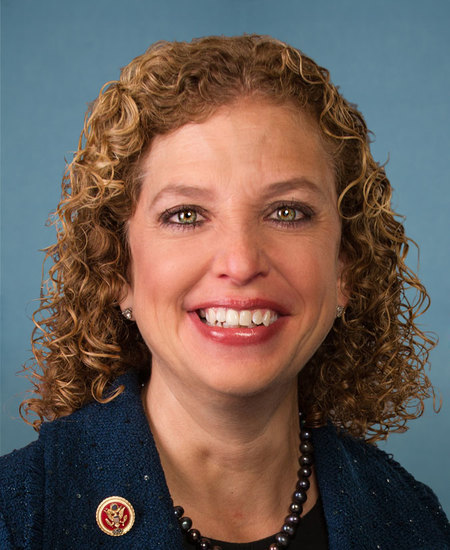
The Freedom Haulers Act extends the existing waiver period for military service members seeking a commercial driver's license from 12 to 24 months after separation. It requires states to waive specific knowledge and driving tests for current or former military personnel who held designated vehicle operator roles, such as motor transport operators or fuelers, within the last two years. To qualify, applicants must certify they have operated comparable commercial vehicles during that period and maintain a clean record with no serious traffic violations, license suspensions, or at-fault crashes. The bill also mandates waivers for specialized endorsements related to passenger transport, tank vehicles, and hazardous materials, provided the applicant meets similar service and safety criteria.
The Staged Accident Fraud Prevention Act of 2026 adds new federal penalties for intentionally causing collisions with commercial motor vehicles. It directly affects drivers who stage these accidents and those who arrange for others to do so. Under the bill, a driver who intentionally crashes into a commercial truck faces up to 20 years in prison, while causing serious injury or death in such a staged event carries a minimum sentence of 20 years. The law also holds organizers of these staged crashes criminally liable under the same sentencing guidelines. Prosecution under this federal statute is barred if the individual has already been convicted or acquitted for the same act in state court.
The GPS Modernization Acceleration Act directs the President to speed up the transition to a more secure and resilient Global Positioning System by updating aging satellites and ground control systems. This legislation requires the creation of a clear timeline to deploy 24 new GPS IIIF satellites and prioritizes the L5 signal to improve accuracy and reduce vulnerability to interference, jamming, or spoofing. It mandates coordination between the Department of Defense, the Department of Transportation, and other federal agencies to upgrade military equipment and protect critical civilian infrastructure. Additionally, the bill requires the Secretary of Defense to submit annual reports to Congress detailing progress, funding needs, and strategies for countering GPS threats over a three-year period.
The Transportation for Reentry Act requires transit agencies receiving federal funding to offer free public transportation to individuals released from prison after serving at least one year. Under this bill, these agencies must provide the service for one year starting from the person's release date and cover costs related to program setup, staff training, and outreach. To receive federal grants, transit recipients must establish enrollment systems, track usage data, and ensure compliance with the program's duration requirements. The legislation authorizes $40 million annually from 2027 to 2031 to support these efforts and mandates a final report on the program's impact five years after enactment.
The WINGS Act of 2026 expands federal financial aid eligibility to cover specific aviation training expenses for students enrolled in qualifying aviation programs at colleges and universities. Under this bill, students could use federal funds to pay for costs such as flight simulator hours, aircraft instruction, aviation training materials, and licensing exam fees. The legislation defines eligible programs as those offering associate's or bachelor's degrees in aviation-related fields and includes professional degree programs that meet specific regulatory training standards. These changes would take effect on July 1, 2027, allowing students to access financial support for practical aviation training components starting with the 2027-2028 award year.
The RAAM Act repeals federal fuel economy standards for cars and light trucks starting with the 2029 model year, removing the requirement for manufacturers to meet specific mileage targets. It also prevents states from creating their own fuel economy rules, reserving this authority exclusively to the federal government. Additionally, the bill updates legal definitions to clarify how vehicles are classified and modifies the process for challenging federal regulations in court. These changes directly affect automobile manufacturers, state governments, and consumers by eliminating federal mileage mandates and blocking state-level fuel economy laws.
The Space Ready 2.0 Act establishes a pilot program allowing NASA to partner with private and public entities on infrastructure projects at its centers, such as roadways and pipelines. Under this program, NASA can enter into voluntary agreements to collect contributions for capital repairs, maintenance, and improvements, provided these funds are authorized by Congress in advance. The bill requires NASA to maintain transparency by sharing cost estimates and final financial breakdowns with contributing partners, while also ensuring that unspent funds are refunded or redesignated if a project is not completed within 90 days of becoming operational. Additionally, the legislation mandates annual reports to Congress detailing expenditures and future plans, and it limits the authority to collect these voluntary contributions until December 31, 2031.
The Space Ready 2.0 Act authorizes NASA to launch a pilot program that allows private companies, government agencies, and other entities to voluntarily contribute funds toward repairing, maintaining, and improving shared infrastructure at NASA centers. These contributions can support projects like roadways and pipelines that benefit multiple users, with agreements requiring transparency on costs and schedules and ensuring that any leftover money is returned to contributors or redirected to other eligible projects. The bill mandates annual reporting to Congress on project spending and progress, while also prohibiting NASA from using these voluntary funds to create new budget obligations before Congress appropriates money. This initiative is set to expire on December 31, 2031, unless extended, and aims to streamline infrastructure work without restricting NASA's ability to enter into direct agreements for other projects.
The Next Generation Shipping Act establishes a $10 billion funding program over ten years to support the development and deployment of zero-emission vessels and clean alternative fuel technologies. Administered by the Department of Transportation, the program provides grants, low-interest loans, and loan guarantees to eligible entities such as shipowners, manufacturers, and port authorities, while explicitly prohibiting the use of funds for automated vessel systems. To guide these efforts, the bill creates an advisory committee representing diverse stakeholders including labor groups, environmental organizations, and industry leaders to evaluate technologies and identify gaps. Additionally, the legislation mandates that funded projects prioritize workforce training, community benefits, and environmental justice, ensuring that laborers receive prevailing wages and that local communities are engaged throughout the project lifecycle.
The End EPA Abuse Act of 2026 amends the Clean Air Act to limit the Environmental Protection Agency's authority to create new regulations. Specifically, it prohibits the EPA Administrator from issuing rules that restrict the sale or use of internal combustion engine vehicles, force power plants to switch fuel sources, or reduce the reliability of the electric grid. The bill also bars the agency from mandating technologies that are commercially unavailable, too expensive without subsidies, or technically unfeasible due to geographic or infrastructure limitations. Additionally, the law prevents the EPA from expanding its regulatory power beyond what Congress originally intended. These changes directly affect the EPA's ability to enforce environmental standards and impact industries such as automotive manufacturing and energy production.