Issue · Immigration

Immigration

Every immigration bill, vote, and legislator stance in Florida, automatically classified by Maddy, our AI policy reader.

Total bills
277
119th Congress
Top supporter
Frederica S. Wilson
83% support rate
Top opponent
Neal P. Dunn
17% support rate
Ranked legislators
10
5 support · 5 oppose
Key legislators

Who's moving immigration in Florida

Legislators moving immigration in Florida
Legislator Party Stance Support rate Votes
Frederica S. Wilson
Frederica S. Wilson House · District 24
D
Strong +
83% 120
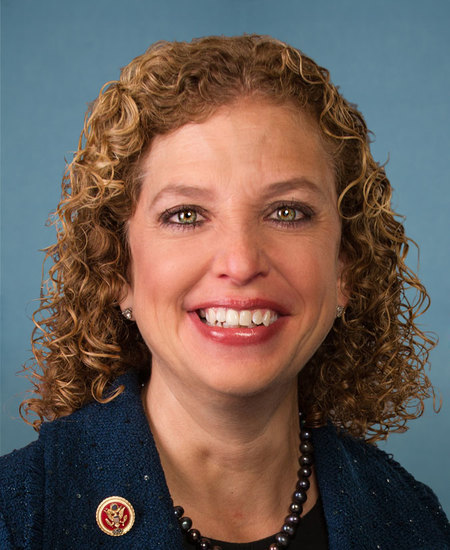
Debbie Wasserman Schultz
Debbie Wasserman Schultz House · District 25
D
Strong +
81% 145
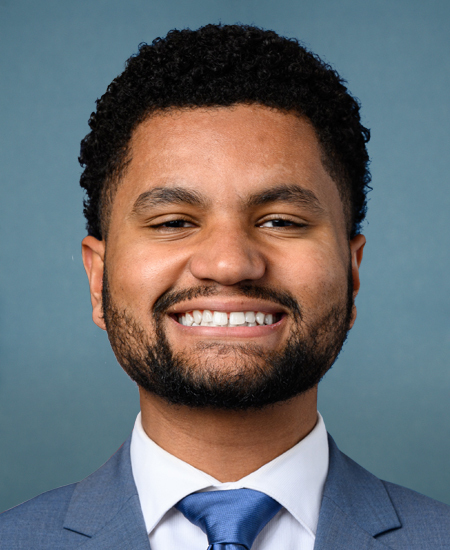
Maxwell Frost
Maxwell Frost House · District 10
D
Strong +
81% 149
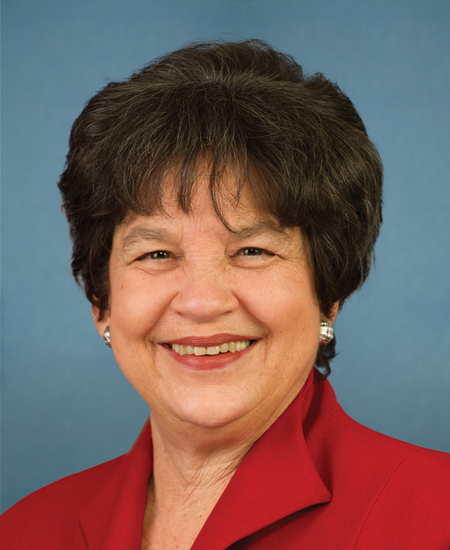
Lois Frankel
Lois Frankel House · District 22
D
Strong +
80% 143
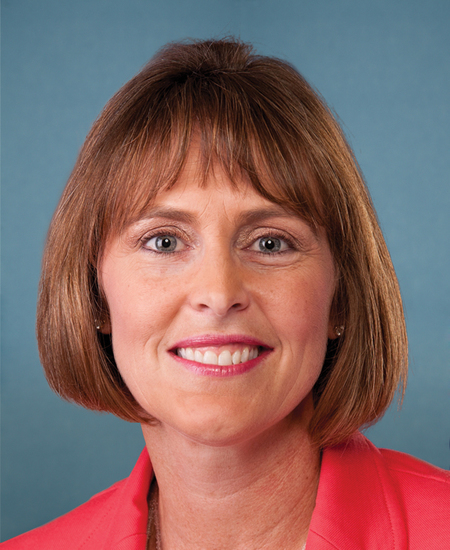
Kathy Castor
Kathy Castor House · District 14
D
Support
77% 144
Neal P. Dunn
Neal P. Dunn House · District 2
R
Strong −
17% 128
Laurel M. Lee
Laurel M. Lee House · District 15
R
Strong −
18% 134
Randy Fine
Randy Fine House · District 6
R
Strong −
18% 133
Jimmy Patronis
Jimmy Patronis House · District 1
R
Strong −
18% 135
Kat Cammack
Kat Cammack House · District 3
R
Strong −
19% 148
Showing 1–10 of 277 bills

All immigration bills

passed · United States · House Sep 1, 2026

HRES 1490: Providing for the condemnation and denouncement of socialism in all its forms, and for other purposes.

This resolution states that the House of Representatives condemns and denounces socialism in all its forms, including the Democratic Socialists of America, and opposes the implementation of socialist policies in the United States; reaffirms its support for free, fair, and secure elections and calls for enactment of the SAVE America Act; reiterates that American elections are for American citizens only; and recommits itself to upholding the U.S. Constitution.
in committee · United States · Senate Aug 7, 2026

S 5371: Stopping Border Surges Act

The Stopping Border Surges Act proposes significant changes to U.S. immigration law regarding unaccompanied children and asylum seekers. It mandates that unaccompanied alien children be repatriated to their home countries if they do not meet specific criteria, while also allowing for the detention of families who entered the country together for misdemeanor border-crossing charges. For asylum applicants, the bill restricts eligibility to those arriving at designated ports of entry and shortens the deadline to file an application from one year to six months. It introduces a "safe third country" provision that can bar asylum claims if an individual transited through another nation without seeking protection there first. Additionally, the legislation requires audio or video recording of expedited removal interviews, imposes criminal penalties for asylum fraud, and terminates asylum status if an individual voluntarily returns to their home country.
in committee · United States · House Sep 3, 2026

HR 10297: El Salvador TPS Act of 2026

The El Salvador TPS Act of 2026 requires the Secretary of Homeland Security to grant Temporary Protected Status (TPS) to individuals from El Salvador. This designation would remain in effect until a date 18 months after September 9, 2026. The bill directly affects eligible residents of El Salvador by providing them with legal protection and work authorization during this specified period.
Sub-Topics Work Authorization
in committee · United States · House Aug 6, 2026

HR 10045: Protect American Values Act

The Protect American Values Act prohibits the use of federal funds to implement, administer, or enforce a specific Department of Homeland Security rule regarding the "Public Charge" ground of inadmissibility. This legislation directly affects immigrants and mixed-status families by preventing the government from using public benefits as a factor in determining eligibility for lawful permanent resident status. The bill includes a statement of congressional intent arguing that the targeted rule would restrict access to essential services like food, medical care, and housing, while also negatively impacting state and local economies. By cutting off funding for this specific policy, the act aims to maintain current immigration standards and prevent what Congress describes as an unauthorized reversal of long-standing law.
in committee · United States · Senate Jul 30, 2026

S 5191: Citizenship for International Adoptees Act of 2026

The Citizenship for International Adoptees Act of 2026 grants automatic U.S. citizenship to individuals born outside the United States who were adopted by U.S. citizens before turning 18 and have lived in the country since the law takes effect. To qualify, applicants must have been legally adopted, meet specific residency requirements, and demonstrate a commitment to the U.S. by being physically present in the country on the enactment date. The bill also establishes a fee cap for these applications, setting the cost at no more than half the standard fee for a certificate of citizenship. However, the law excludes individuals with certain criminal convictions, including those involving domestic violence, sexual abuse, burglary, or membership in criminal gangs, as well as those deemed inadmissible or deportable under existing immigration rules.
in committee · United States · Senate Jul 28, 2026

S 5155: American Hiring Transparency Act

The American Hiring Transparency Act introduces a new fee for employers who file applications to hire foreign workers, requiring them to pay a charge equal to the standard nonimmigrant visa fee at the time of filing. Starting in fiscal year 2027, this initial fee will be at least $10,000, with the amount adjusted annually for inflation to keep pace with rising costs. The revenue generated from these fees is split evenly between the Department of Labor and the Office of Personnel Management, with half of the Labor Department's share designated for unspecified purposes and the other half used to improve the USAJOBS job platform. This measure applies specifically to employers seeking permanent employment certification and does not allow for any waivers or reductions of the required payment.
Sub-Topics Work Authorization Tags Government Transparency
in committee · United States · House Jul 3, 2026

HR 9579: Department of Homeland Security Office for Civil Rights and Civil Liberties Authorization Act

This bill establishes a new Office for Civil Rights and Civil Liberties within the Department of Homeland Security, led by an Officer who reports directly to the department head. The Office is tasked with overseeing compliance with civil rights laws, reviewing potential abuses or profiling by employees, and integrating these protections into all department policies and programs. It grants the Officer authority to investigate complaints, issue public reports on findings, and coordinate with other officials to ensure diverse communities are engaged effectively. Additionally, the legislation requires each major department unit to have its own civil rights officer and mandates annual reporting to Congress on the Office's activities and progress.
Sub-Topics Civil Rights Tags Civil Liberties
in committee · United States · House Jul 22, 2026

HR 9850: No Deliveries Act

The No Deliveries Act amends federal immigration laws to increase penalties for individuals who knowingly enter the United States specifically to give birth and misrepresent their true purpose. Under this bill, anyone convicted of this offense could face fines and imprisonment of up to 25 years, with a mandatory minimum of 10 years if the child is born in the U.S. Additionally, the legislation grants federal courts the authority to immediately order the removal of convicted aliens at the time of sentencing. This law directly affects non-citizens attempting to bypass immigration requirements by using childbirth as a means to gain entry.
in committee · United States · House Jul 23, 2026

HR 9944: TPS Review Act

The Temporary Protected Status Review Act restores the ability of courts to review decisions by the Department of Homeland Security to end Temporary Protected Status (TPS) designations for foreign nationals. Under this bill, the government must publish detailed written findings explaining why a country no longer qualifies for TPS protection, and these decisions would be subject to a legal challenge in federal court. If a TPS designation is terminated, the affected individuals would remain in the United States with their current status and work authorization intact while the legal challenge is pending. Additionally, the legislation requires the government to follow specific administrative procedures, such as considering all available evidence and avoiding bias, before making any termination decisions.
Sub-Topics Work Authorization
in committee · United States · House Jul 21, 2026

HR 9803: Protecting Immigrants From Legal Exploitation Act of 2026

The Protecting Immigrants From Legal Exploitation Act of 2026 aims to combat fraud by increasing criminal penalties for individuals who falsely represent themselves as immigration lawyers or provide fraudulent services. It requires non-lawyer immigration service providers to identify themselves on applications and allows victims of unauthorized practice of law to withdraw and resubmit their immigration forms without penalty. The bill also empowers the Attorney General to issue civil injunctions against fraudulent providers and mandates that convicted fraudsters reimburse their clients for services rendered. To support legitimate legal aid, the legislation authorizes funding for outreach programs and grants to nonprofit organizations that provide direct legal assistance to immigrants.
Showing 1 to 10 of 277 bills
1 2 3 28 Next