

Maddy summaryThis bill transfers all U.S. Agency for International Development (USAID) responsibilities related to the Food for Peace Act - including managing food aid programs, grants, permits, and regulations - to the U.S. Department of Agriculture (USDA). It directly affects USAID's Food for Peace operations and shifts program administration to the USDA Secretary, who will now handle all associated duties, assets, and legal authorities. The bill ensures continuity by requiring legal references to USAID to automatically apply to the USDA, and mandates the USDA to continue operating the Famine Early Warning Systems Network. Key provisions include immediate regulatory adjustments for program continuity and ongoing consultation with the State Department on food aid efforts.
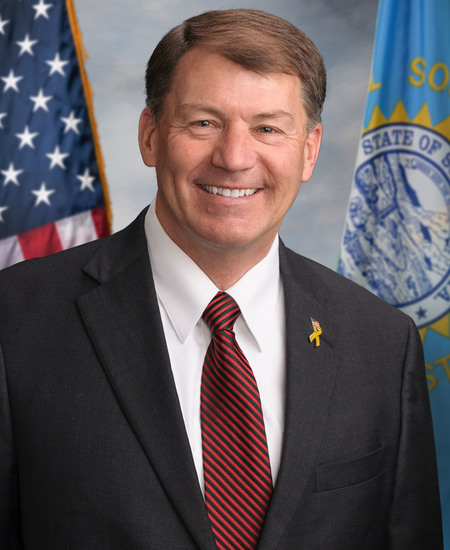
Sen. Mike Rounds
Sponsored bills
Maddy summaryS 526, the Pharmacy Benefit Manager Transparency Act of 2025, requires pharmacy benefit managers (PBMs) - the middlemen managing drug coverage for health plans - to disclose financial details and stop unfair practices. It prohibits PBMs from keeping price differences between what they charge health plans and pay pharmacies, arbitrarily clawing back payments, or inflating fees to offset government-mandated changes. PBMs must annually report to the FTC and HHS on rebate sharing, fee structures, formulary changes, and reimbursement differences, including whether drug tier shifts were influenced by manufacturers. This directly affects PBMs, pharmacies, health plans, and patients by increasing transparency in drug pricing and reimbursement.
Maddy summaryS 505, the "Protect Small Businesses from Excessive Paperwork Act of 2025," extends the filing deadline for certain small businesses already subject to federal reporting requirements. It modifies a provision in 31 U.S. Code by changing the deadline from "before January 1, 2024" to "not later than January 1, 2026." This directly affects small businesses that must submit specific reports under existing law, giving them an additional two years to comply. The bill aims to reduce administrative burden by delaying the filing obligation.
Maddy summaryThis joint resolution (SJRES 17) seeks to block a specific rule issued by the U.S. Forest Service under the Department of Agriculture. The rule, published in the Federal Register on November 25, 2024, established new criminal prohibitions related to law enforcement activities on federal lands. If passed, this resolution would formally disapprove the rule under Chapter 8 of Title 5, U.S. Code, making the rule legally ineffective and preventing it from taking effect. The resolution directly affects the Forest Service's ability to enforce this particular criminal prohibition rule.
This resolution supports the designation of Career and Technical Education Month to celebrate career and technical education across the United States.
Maddy summaryS 449, the Expediting Forest Restoration and Recovery Act of 2025, streamlines forest restoration projects by modifying environmental review rules for the U.S. Forest Service. It directs the Forest Service to use categorical exclusions (avoiding full environmental reviews) for hazardous fuel and insect/disease risk reduction projects in designated "insect and disease treatment areas," provided the areas are suitable for timber production or lack timber harvest prohibitions. The bill also requires states to prioritize wildfire/insect risk reduction in these areas and mandates annual public reporting on treated acreage. This primarily affects Forest Service operations and state agencies managing projects under the "Good Neighbor Authority" program, which allows states to use timber sale revenue for additional restoration work.
Maddy summaryThis bill amends the Robert T. Stafford Disaster Relief Act to allow Indian tribal governments to directly request fire management assistance grants from FEMA for wildfires, rather than requiring state authorization. It specifically adds tribal governments as eligible recipients in the law and permits their chief executives to submit requests directly to FEMA, bypassing state governors. The bill also requires the President to issue new regulations within one year, clarifying that tribal governments can receive assistance either directly or through state-authorized requests, while preserving existing eligibility pathways. This change directly affects tribal governments facing wildfire disasters by streamlining access to federal disaster aid.
Maddy summaryS 480, the Timber Harvesting Restoration Act of 2025, requires forest supervisors managing National Forest System units where timber sales are below two-thirds of the maximum allowable volume to create plans to increase sales. Within 180 days of enactment, supervisors must submit reports identifying actionable steps, after consulting with industry, tribes, states, and other stakeholders. The Secretary of Agriculture will review progress one year later; if sales reach 75% of the allowable volume, no further reports are needed, but if not, supervisors must submit new plans and may receive additional resources like staff or expedited environmental reviews. This directly affects National Forest units with low timber sales volumes, aiming to boost timber harvests through structured reporting and performance tracking.
Maddy summaryThis bill amends the Higher Education Act of 1965 to exempt certain family-owned assets from financial need calculations for college students. Specifically, it removes the net value of a family farm (where the family resides) or a small business (with 100 or fewer full-time equivalent employees) owned and controlled by the family from being counted as assets when determining federal financial aid eligibility. The change applies to need analysis for award years starting after the bill's enactment date. This policy directly affects students from qualifying family farms or small businesses when applying for federal student aid under Title IV programs.
Maddy summaryS 481, the "Securing our Border Act," directs funding to enhance border security by requiring 100% scanning of vehicles at all southern border ports by 2034 using nonintrusive inspection systems, and allocates funds for constructing a border wall along the southwest U.S. border. It also creates new bonus programs for U.S. Customs and Border Protection agents, including up to $15,000 for recruitment, retention bonuses up to 15% of pay, and relocation bonuses up to 15% of annual pay. The bill amends immigration procedures to require returning migrants from neighboring countries to contiguous territory or processing asylum claims, rather than immediate release. These provisions directly affect CBP operations, border patrol staffing, and migrants crossing the southern border, with specific deadlines and reporting requirements for funding use.