Maddy summaryThis bill protects public water systems, wastewater treatment facilities, and related entities from liability under federal environmental law for PFAS releases, provided they follow all applicable laws during treatment or disposal. It exempts these "protected entities" from cost-recovery claims under CERCLA when handling PFAS in ways consistent with existing water treatment practices, such as managing biosolids, discharging treated water, or disposing of filter media. The exemption does not apply if a facility acts with gross negligence or willful misconduct in handling PFAS. This directly affects water utilities and municipalities managing PFAS-contaminated water or byproducts under current federal and state regulations.
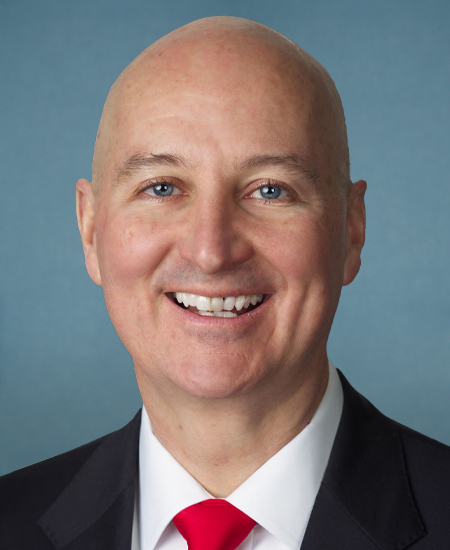
Sen. Pete Ricketts
Sponsored bills
Maddy summaryThis bill exempts agricultural operations from liability under the federal CERCLA law for releases of specific PFAS chemicals used in farming. It directly affects farmers and agricultural businesses (defined as "protected entities") who produce or harvest crops, shielding them from lawsuits or cleanup costs related to covered PFAS substances. The exemption applies to non-volatile PFAS hazardous substances (excluding gases) used in agricultural practices, but does not protect against liability for gross negligence or willful misconduct. The law changes existing environmental liability rules to specifically exclude routine agricultural activities involving these chemicals.
Maddy summarySRES 188 is a symbolic Senate resolution celebrating the 75th anniversary of Israel's founding on May 14, 2023. It formally recognizes Israel's establishment, reaffirms the U.S.-Israel partnership, and highlights shared democratic values, security cooperation, and diplomatic achievements like the Abraham Accords. The resolution has no policy impact or direct effect on individuals or legislation - it serves solely as a ceremonial expression of support. It was introduced by a bipartisan group of senators and passed without implementing new laws or funding.
Maddy summaryThis bill (S 1400) amends USDA conservation programs to expand access to technical service providers (TSPs) who help farmers and ranchers implement conservation practices. It creates new pathways for non-Federal entities (like state agencies, agricultural cooperatives, or professional societies) to certify TSPs, streamlines certification for existing professionals (e.g., certified crop advisors), and sets fair payment rates for TSP services. The law requires USDA to maintain a public registry of certified providers, track usage metrics, and report on how TSPs improve conservation outcomes. This directly affects agricultural producers seeking technical assistance and TSPs wanting to deliver services under USDA programs.
Maddy summaryThis bill modifies how federal agencies handle administrative subpoenas in child predator investigations. It prohibits recipients (like banks or tech companies) from disclosing that a subpoena was issued for 180 days, unless a federal official certifies disclosure would endanger victims, cause flight, destroy evidence, intimidate witnesses, or jeopardize the investigation. Recipients may share information only with necessary parties (e.g., legal counsel) under strict confidentiality rules. The bill also adds a new judicial review process (Section 3486A), requiring courts to quickly evaluate nondisclosure requests within 30 days to ensure they protect ongoing investigations.
Maddy summaryThis bill prohibits insurers from denying coverage, canceling policies, or increasing premiums for life, disability, or long-term care insurance solely because someone is a living organ donor, without considering actual health risks. It also updates the Family and Medical Leave Act to include recovery from organ donation surgery as a qualifying condition for leave for private-sector employees and federal workers. Additionally, the bill requires the Health and Human Services Secretary to update public educational materials about living organ donation within six months, covering benefits, risks, and the new insurance protections. These changes directly affect living organ donors, insurers, and employers who must comply with the updated leave and insurance rules.
Maddy summaryThe LAKES Act (S 1358) amends federal laws to streamline how recreation fees are collected and used at water resource projects managed by the U.S. Army Corps of Engineers. It allows qualified non-Federal public entities (like local governments) and private nonprofit organizations to collect visitor fees for recreation facilities, retain up to 100% of those fees, and use them specifically for operating and maintaining the site where fees were collected. The bill requires that at least 80% of fees collected at a single location must be spent there, and it explicitly states these fees cannot replace regular federal funding for recreation site operations. This directly affects local governments, nonprofit groups managing recreation sites, and the Corps of Engineers, which oversees the implementation.
Electronic Communication Uniformity Act This bill applies the mailbox rule to documents and payments electronically submitted to the Internal Revenue Service (IRS). Specifically, it provides that such documents and payments shall be deemed filed or made on the date on which they are sent electronically, regardless of the date on which the IRS actually receives or reviews them.
Maddy summaryThe Protecting Kids on Social Media Act requires social media platforms to verify the age of users through reasonable methods (beyond simple self-attestation) and obtain parental consent for minors aged 13-17 before allowing account creation or certain features. Platforms must stop using algorithmic recommendations based on personal data for users under 18 and allow parents to revoke consent at any time, with strict limits on how verification data can be used or stored. A voluntary government pilot program will offer secure digital ID credentials for age and parental verification, meeting high cybersecurity standards, though participation is optional for both users and platforms. Violations will be enforced by the Federal Trade Commission and state attorneys general, with civil penalties for non-compliance.
Maddy summaryThis bill strengthens penalties for individuals or organizations charging veterans unauthorized fees when assisting with VA benefit claims. It directly affects veterans who might be targeted by unscrupulous representatives and the representatives themselves who attempt to charge such fees. The key provision adds a new subsection (b) to Section 5905, making it illegal to solicit, charge, or receive any fee for preparing or submitting VA claims - except as allowed under specific other sections. Violations can result in fines, up to one year in prison, or both.