Maddy summaryThe Restoring Trade Fairness Act would suspend normal trade relations (NTR) status with China, requiring the U.S. to apply significantly higher tariffs to Chinese goods. It establishes minimum duty rates of 35% for most Chinese products (with a 100% minimum for specific items listed in Section 10), with these increases phased in over five years. The bill also creates a trust fund to compensate U.S. producers for losses resulting from Chinese retaliation against U.S. trade measures. These changes aim to address what Congress views as China's failure to comply with its WTO obligations and its "unfair trade practices" that have allegedly harmed U.S. manufacturing.
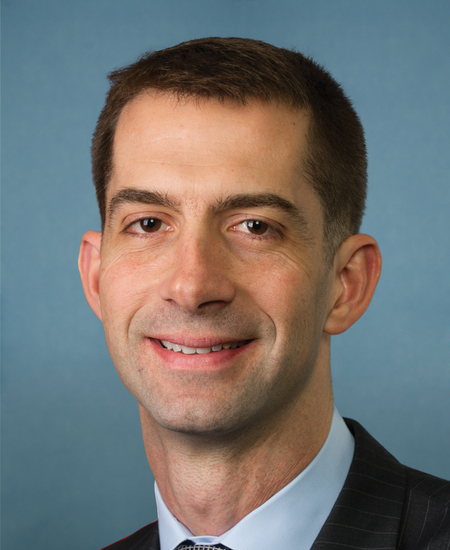
Sen. Tom Cotton
Sponsored bills
Maddy summaryThis bill creates a legal right for individuals who received gender-transition medical procedures (like puberty blockers, cross-sex hormones, or surgery) before age 18 to sue the medical practitioner up to 30 years after turning 18, if they suffered harm. It defines "gender-transition procedure" broadly to include those changing the body to align with gender identity (excluding specific medical exceptions like ambiguous biological characteristics or life-threatening conditions). The law applies when the procedure involves interstate commerce, such as payments or communications crossing state lines. It does not ban such procedures but establishes a civil liability framework for minors affected by them.
Maddy summaryS 213, the Main Street Tax Certainty Act, makes the qualified business income deduction permanent for small business owners. It directly affects pass-through business owners (like sole proprietors and small partnerships) who currently benefit from this tax break. The bill removes the temporary expiration of Section 199A of the tax code, providing long-term certainty for these taxpayers by ensuring they can continue deducting up to 20% of their qualified business income.
Maddy summaryThis bill prohibits U.S. real estate purchases by Chinese citizens, Chinese government-linked entities, and individuals acting for them. It bans new acquisitions after enactment and requires the sale of existing properties deemed a national security risk within one year. Exceptions apply for refugees/asylees and property owned by U.S. citizens or lawful permanent residents. The law directly affects Chinese nationals and entities tied to China's government or Communist Party, with no impact on U.S. citizens or approved immigrants.
Maddy summaryThis bill prohibits federal funds from being used for abortions or health plans covering abortion. It amends the Affordable Care Act to block premium tax credits and cost-sharing reductions for health plans that include abortion coverage (except for rape/incest cases or life-threatening conditions), and requires clear disclosure of abortion coverage and related surcharges in plan materials. The law explicitly exempts abortions performed due to rape, incest, or to preserve a mother's life, and allows separate abortion coverage using non-federal funds. It applies to all federal health programs and ACA marketplace plans, effective for plan years beginning after 2025.
Maddy summaryThis bill requires the Committee on Foreign Investment in the United States (CFIUS) to automatically review real estate purchases or leases by foreign entities linked to Russia, China, Iran, or North Korea within 100 miles of military installations or 50 miles of military training routes, special use airspace, firing areas, or military operations areas. It mandates CFIUS to notify relevant congressional members from the affected state and district about these transactions. The bill also blocks the Secretary of Defense from finalizing energy project reviews until CFIUS completes its review of the related real estate transaction. These provisions apply to transactions occurring on or after the bill’s enactment date.
Maddy summaryThis bill imposes U.S. sanctions on foreign individuals and entities involved in the Palestinian Authority's (PA) and Palestine Liberation Organization's (PLO) system of paying terrorists and their families. It targets PA/PLO officials, supporting organizations (like the "Commission of Prisoners"), and foreign financial institutions facilitating these payments. Key mechanisms include blocking assets, banning visas, and restricting U.S. banking access for those involved. Sanctions end only if the State Department certifies the PA/PLO has stopped these payments, as required by the 2018 Taylor Force Act.
Maddy summaryS 6, the Born-Alive Abortion Survivors Protection Act, requires healthcare providers at facilities performing abortions to provide the same medical care to infants born alive during or after an abortion as they would to any newborn, including immediate hospital admission. The bill mandates that any provider or facility employee who witnesses a failure to provide this care must report it to law enforcement, with violations punishable by fines up to $5,000 or up to 5 years in prison. It also allows women who undergo abortions to pursue civil lawsuits for damages if providers fail to comply, including three times the abortion cost plus punitive damages. The bill defines "abortion" as procedures intended to kill the unborn child or terminate pregnancy without preserving the child's life after viability.
Maddy summaryThis bill would require the U.S. Secretary of State to re-designate Yemen's Houthi group (Ansarallah) as a foreign terrorist organization within 90 days of enactment. It mandates the President to impose existing sanctions under two executive orders - blocking property under E.O. 13224 and restricting travel under E.O. 13780 - on Ansarallah and its members, agents, affiliates, or entities they own or control. These sanctions would apply to the group and its associated individuals or organizations, directly affecting the Houthi leadership and their operational networks. The bill does not create new sanctions but directs the re-imposition of existing measures previously revoked by the Biden administration.
Maddy summaryS 115, the GATE CRASHERS Act, makes it a federal crime to enter clearly marked restricted or closed Department of Defense (DOD) property without authorization. The bill creates new penalties under Title 18: up to 180 days in jail for a first offense, up to 3 years for a second offense, and up to 10 years for a third or subsequent offense. It directly affects individuals who trespass on DOD facilities despite clear signage restricting access. The law applies to all property under DOD jurisdiction that is marked as closed or restricted, with penalties escalating for repeat violations. This bill does not alter existing DOD security protocols but establishes specific criminal penalties for unauthorized access.