

Maddy summaryHR 3036, the Increased TSP Access Act of 2023, amends conservation program rules to expand access to third-party providers (TSPs) who offer technical assistance to farmers on conservation practices. It creates new pathways for non-Federal entities like agricultural cooperatives or professional associations to certify TSPs, streamlines certification processes (requiring Secretary review within 10 business days), and sets payment rates for TSPs equivalent to government-provided technical assistance. The bill mandates public reporting on certification numbers, payment details, and a target utilization rate for TSPs to improve conservation program delivery. It directly affects farmers participating in USDA conservation programs by increasing options for technical support and requiring transparency in how TSPs are certified and compensated.
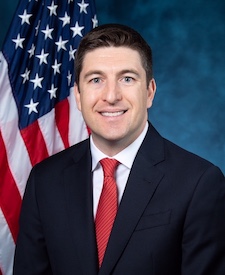
Rep. Bryan Steil
Sponsored bills
This resolution requires that during each congressional session Members, officers, and employees of the House of Representatives complete training on workplace rights and responsibilities, including antidiscrimination and anti-harassment training.
Maddy summaryHRES 425 is a non-binding House resolution designating July 19, 2023, as "Glioblastoma Awareness Day" to increase public recognition of glioblastoma, an aggressive brain cancer. It directly supports patients, caregivers, and families affected by the disease, which has a low 5-year survival rate (6.9%) and no effective screening methods. The resolution encourages greater public awareness, honors those impacted by the disease, and urges continued research investments, including through the Glioblastoma Therapeutics Network. It does not create new laws or alter funding but serves as a symbolic statement to advance understanding and support for glioblastoma research.
Maddy summaryThis bill clarifies that the Department of Housing and Urban Development (HUD) has final authority over energy efficiency standards for manufactured housing. It requires any energy standards developed under federal law (like those from the Energy Independence and Security Act) to be formally adopted into HUD's manufactured housing construction standards before becoming enforceable. The bill directly affects manufactured housing manufacturers and HUD, as it ensures HUD - not other agencies - controls which energy standards apply. Key provisions eliminate references to the International Energy Conservation Code (IECC) and establish HUD as the sole authority for adopting these standards into its code. This streamlines the process but does not create new energy requirements.
Maddy summaryThis bill creates a reimbursement program for businesses that handle permanently dyed diesel fuel or kerosene previously taxed under highway fuel tax rules but exempt from those taxes. The IRS will pay eligible businesses the amount of tax they paid on this fuel when it was removed from terminals, provided the fuel meets specific criteria (previously taxed but exempt under Section 4082). It directly affects fuel distributors and businesses using non-highway fuel, such as for agricultural or construction purposes. The payment applies to fuel removed 180 days after the bill becomes law.
Maddy summaryThe Housing PLUS Act of 2023 modifies federal homeless assistance funding under the McKinney-Vento Act to ensure grantees providing supportive services (like job training or addiction treatment) or requiring conditions for housing (such as sobriety) cannot be restricted from receiving funds. It mandates that at least 30% of Continuum of Care funds each year must support entities offering these wraparound services. The bill directly affects homeless assistance grantees, project sponsors, and faith-based organizations receiving federal housing funds. It also requires the Secretary to report annually to Congress confirming compliance with these funding rules.
Maddy summaryHRES 375 is a ceremonial resolution supporting National Nurses Week (May 6-12, 2023), recognizing nurses' contributions to healthcare. It does not create new laws or policies but formally acknowledges nurses' roles as frontline caregivers, patient advocates, and key contributors to public health. The resolution encourages the public to observe the week through recognition and activities, highlighting nurses' impact across all healthcare settings. It directly affects the nursing profession by affirming their value, though it has no binding effect on legislation or funding.
Maddy summaryHRES 365 is a non-binding House resolution supporting efforts to reduce childhood sunburns and skin cancer risk. It encourages schools and childcare facilities to allow students to carry and use sunscreen without physician authorization (addressing current restrictions where sunscreen is treated as a prescription drug), and promotes policies for easy access to sunscreen and sun-protective clothing. The resolution also urges healthcare providers to educate parents and children about sun-safe practices during routine check-ups. It directly affects schools, camps, and childcare programs by advocating for practical changes to improve sun protection for minors.
Protecting Young Minds Online Act This bill requires the Substance Abuse and Mental Health Services Administration to implement a strategy for addressing the effects of social media and other new technologies on children's mental health.
Maddy summaryHR 3238, the Affordable Housing Credit Improvement Act of 2023, updates the Low-Income Housing Tax Credit (LIHTC) program to increase the availability of affordable housing across the United States. The bill makes several key changes including increasing state funding formulas, modifying tenant eligibility rules to better serve vulnerable populations (such as domestic violence victims and students), and expanding credit eligibility for projects in rural and Native American communities. Specific provisions raise the credit for properties serving extremely low-income households, clarify rules around tenant income increases, and require housing providers to protect victims of domestic violence. The bill also updates terminology from "low-income" to "affordable" throughout the tax code and enhances program transparency through data sharing requirements. These changes aim to make the LIHTC program more effective at creating and preserving affordable housing units for low-income households nationwide.