

Maddy summaryThe Fire Weather Development Act of 2025 establishes a National Oceanic and Atmospheric Administration (NOAA) program to improve wildfire forecasting, detection, and communication systems. The program will develop better tools for predicting wildfire spread, smoke dispersion, and fire behavior through collaboration with federal agencies, state and local emergency officials, and stakeholders. It authorizes $5 million for fiscal year 2026 to fund research on new technologies like unmanned aircraft systems, advanced satellite detection, and improved communication systems. The bill also creates an Interagency Coordinating Committee on Wildfires and a National Advisory Committee to coordinate wildfire response efforts and provide recommendations to enhance preparedness and response capabilities.
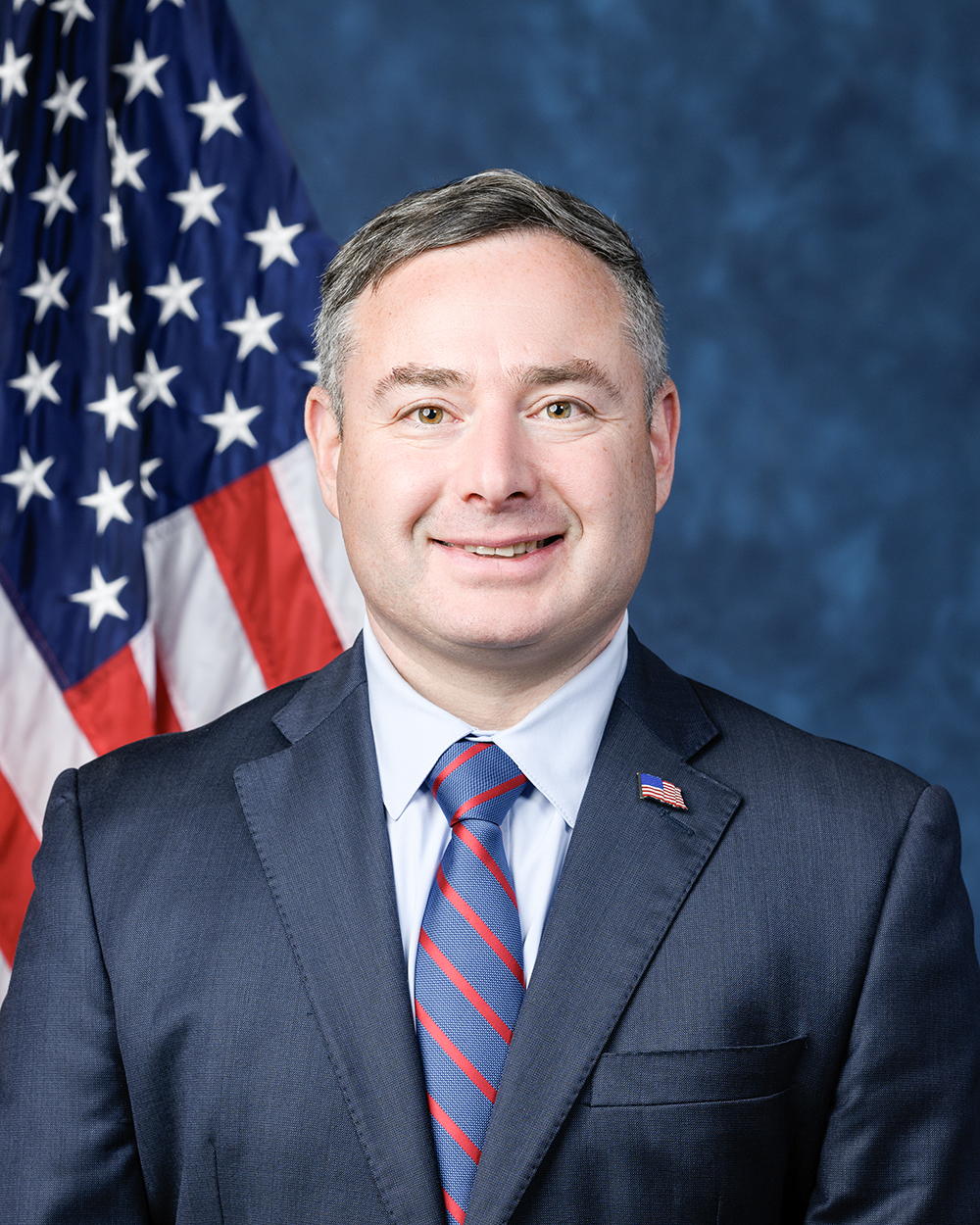
Rep. Eugene Simon Vindman
Sponsored bills
Maddy summaryHR 4074, the Optimizing Postpartum Outcomes Act of 2025, requires the Health and Human Services Secretary to issue guidance within one year on improving Medicaid and CHIP coverage for pelvic health services during pregnancy and the postpartum period (defined as up to 6 months after birth or during lactation). The bill directs the GAO to study coverage gaps for these services and mandates a new CDC-led education campaign to train healthcare providers and inform postpartum women about pelvic floor exams and physical therapy. Key provisions include standardizing terminology for pelvic health conditions, sharing state best practices for payment models, and authorizing $2 million annually for the education program through 2030. This bill directly affects postpartum women covered by Medicaid or CHIP by aiming to increase access to evidence-based pelvic health care.
Maddy summaryHR 3886, the Veterans PTSD Screening Act, requires the Department of Veterans Affairs (VA) to study whether RNA sequencing can help diagnose PTSD-related symptoms like inflammation or cellular stress in veterans. The VA must conduct this research at five VA medical facilities within its Veterans Integrated Service Networks, starting within 120 days of the bill's enactment. The study will conclude on September 30, 2027, with a final report to Congress due by September 30, 2028, detailing the findings. This bill does not change current screening practices but mandates a specific research effort to evaluate a potential diagnostic tool.
Maddy summaryHRES 524 is a congressional resolution designating June 19, 2025, as "World Sickle Cell Awareness Day" to increase public awareness about sickle cell disease (SCD) in the U.S. and globally. It specifically highlights the need for expanded research, early detection screenings, accessible treatments, and preventative care programs for SCD, which disproportionately affects communities of African, Caribbean, and Mediterranean descent. The resolution urges federal agencies to address healthcare disparities and improve equitable access to therapies, including emerging genetic treatments. As a procedural resolution, it does not create new laws but formally supports existing awareness and advocacy efforts for SCD patients.
Maddy summaryThis bill updates federal grant programs to expand access to long-acting injectable medications, lab testing, and counseling for people with substance use disorders or serious mental illness. It requires grant recipients (state/local health agencies) to provide these specific services and train clinicians on medication use. The changes apply to new grants starting after the bill's enactment. Annual reports on program outcomes must also be submitted to Congress.
Maddy summaryThis bill amends the existing Bureau of Land Management Foundation to rename it the "Foundation for America’s Public Lands" and adjusts its governance structure. Key provisions include gradually increasing the board size from 12 to 18 members over four years and requiring specific representation on the board (e.g., energy producers, ranchers, recreation groups, and mining industry representatives). The bill prohibits using foundation funds for litigation or lobbying and clarifies that gifts or donations can be used to support the Bureau of Land Management’s "multiple use" mission. It does not create new programs but reauthorizes and refines the existing foundation’s operations and funding mechanisms.
Maddy summaryHR 3753, the Expanding Access for Online Veteran Students Act, would increase housing stipends for veterans using the Post-9/11 GI Bill to take fully online courses. Currently, veterans enrolled solely in distance learning programs receive only 50% of the standard housing allowance; this bill removes that restriction, providing full housing stipends for online students attending more than half-time. The change applies to all veterans pursuing online degrees under the Post-9/11 GI Bill, ensuring they receive the same housing support as on-campus students. The policy takes effect for terms beginning August 1, 2025.
Maddy summaryHR 3720, the HOME Act of 2025, aims to improve housing access for veterans. It requires the VA to update lender guidance on veterans' residual income to include nonprofit financial service organizations and coordinate with them to offer voluntary financial counseling for veterans purchasing homes with VA loans. The bill also mandates creating a public database listing homes adapted for disabled veterans that sellers choose to include, helping veterans find accessible housing. Additionally, it directs the VA to conduct outreach to veterans in U.S. territories about housing benefits under the program.
Maddy summaryHR 4012, the National Airport Supersonic Readiness Act of 2025, directs the Federal Aviation Administration (FAA) to study whether major U.S. airports can safely accommodate supersonic and hypersonic commercial aircraft. The study will assess runway length, ground equipment, noise regulations, air traffic systems, and economic impacts at large hub airports. The FAA must report findings and recommendations to Congress within one year, including cost estimates and timelines for potential infrastructure upgrades. This bill does not fund changes or create new rules, but rather evaluates current airport capabilities for future high-speed air travel.
Maddy summaryHR 3946, the FIGHT Act of 2025, amends the Animal Welfare Act to specifically prohibit gambling on animal fighting events and restrict the interstate transport of roosters used in such ventures. It defines "rooster" as male chickens over six months old and makes it unlawful to sponsor, exhibit, attend (for those under 16), or gamble on animal fighting events - whether in-person or broadcast. The bill creates a civil enforcement mechanism allowing any person to file a lawsuit to stop violations after providing 60 days' notice to authorities, with potential fines up to $5,000 per violation. It also establishes seizure of property used to facilitate violations and clarifies that state laws on animal fighting remain in effect unless directly conflicting with federal provisions.