

Maddy summaryHR 2243, the LEOSA Reform Act, updates the Law Enforcement Officers Safety Act to clarify and expand firearm carry rights for qualified current and retired law enforcement officers. It modifies training requirements to allow officers to meet standards set by their former agency, their state, any local agency in their state, or a certified instructor within the state. The bill also adds exceptions for transportation property and public spaces when applying state laws, and permits qualified officers to carry concealed firearms in certain federal facilities (Security Level I/II civilian public access facilities). These changes aim to provide clearer, more flexible standards for firearm carry while maintaining existing safety frameworks.
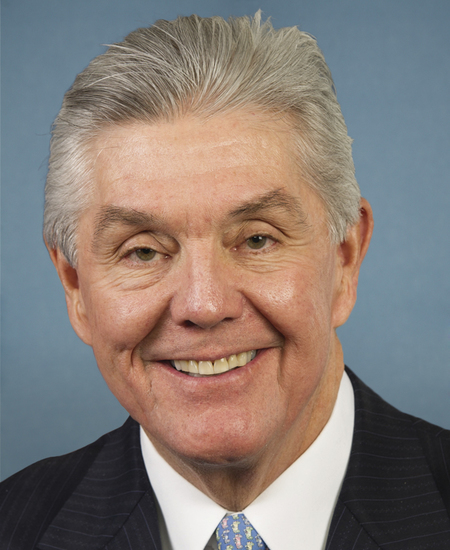
Rep. Roger Williams
Sponsored bills
Maddy summaryThe Conscience Protection Act of 2025 would protect health care providers, facilities, and insurers that choose not to provide, refer for, or cover abortion services. It prohibits discrimination against such entities by the federal government, states, or any recipient of federal funds. The bill creates a private right of action allowing affected individuals or entities to sue for violations of conscience protections. It also establishes administrative enforcement mechanisms through the Department of Health and Human Services' Office for Civil Rights. This would strengthen existing conscience protections like the Weldon Amendment by ensuring entities can maintain religious or moral objections without facing penalties.
Maddy summaryHR 3392, the STOP Screwworms Act, requires the U.S. Department of Agriculture to build modular facilities for rearing sterile New World screwworm flies within 180 days of enactment. These facilities will disperse sterile flies into at-risk agricultural areas - identified based on migratory patterns and suitability for dispersal - to prevent infestations that threaten livestock. The bill authorizes $300 million in funding for construction, operation, and annual reporting to Congress on threat assessments and effectiveness. It directly affects livestock producers and agricultural regions vulnerable to screwworm fly migration, using sterile insect technique as a preventive measure.
Maddy summaryThis resolution (HRES 394) expresses congressional support for designating July 16, 2025, as "Glioblastoma Awareness Day." It aims to raise public awareness about glioblastoma, a highly aggressive and deadly brain cancer with a 6.9% 5-year survival rate. The resolution encourages greater attention to the disease's urgent unmet medical needs and supports research efforts, including the Glioblastoma Therapeutics Network. It directly affects patients, caregivers, and researchers by promoting recognition of the disease and urging collaborative efforts to improve treatments.
Maddy summaryThis bill creates a new system for recognizing and regulating individuals who help veterans file benefit claims. It requires the VA to provide veterans with information about free assistance options and maintain a public list of accredited representatives. The bill sets a maximum fee limit of $12,500 or 5 times the monthly benefit increase for representatives, and establishes penalties for unaccredited representatives who charge improper fees. The law aims to protect veterans from unscrupulous representatives while ensuring they have access to quality assistance with their benefit claims.
Maddy summaryHR 976, the "1071 Repeal to Protect Small Business Lending Act," would repeal data collection and reporting requirements for small business loans under Section 704B of the Equal Credit Opportunity Act. This specifically removes the mandate for financial institutions - especially community banks and credit unions - to track and submit loan data by business characteristics like race or gender. The bill aims to reduce compliance costs for lenders, which its findings argue limit small business access to credit. The repeal would eliminate these reporting obligations and remove references to the requirement from related federal laws.
Maddy summaryThis bill provides a 3-year transition period for newly insured banks to meet federal capital requirements, easing compliance for institutions that recently became federally insured. It allows these banks to request temporary deviations from approved business plans, with regulators required to respond within 30 days (or the request is automatically approved). Small rural banks with less than $10 billion in assets located in rural areas receive a lower 8% leverage ratio requirement during this transition. Additionally, the bill expands lending authority for certain banks to include agricultural loans and requires a federal study on increasing new bank formations in underserved areas.
Maddy summaryHR 3173 requires the Federal Reserve Board and its 12 regional banks to provide significantly more detailed spending and staffing data in their annual reports. Specifically, it mandates breakdowns of annual costs and staff for key activities like bank supervision, operations (including payment services), research, and international work. The bill also requires reporting on the top three research areas by spending for both the Board and each regional bank, plus costs for each finalized rule or policy statement. These changes aim to increase public visibility into how the Federal Reserve allocates resources and prioritizes its work. The requirements take effect two years after the bill becomes law.
Maddy summaryHR 2968 prohibits the Small Business Administration (SBA) from using its programs or funds to assist with voter registration. It requires all SBA contracts to include terms banning recipients from using assistance for voter registration and prevents state or local governments receiving SBA funds from doing so. The bill directly affects SBA operations and its grant recipients, including state agencies, by restricting how federal funds can be utilized. It does not create new programs but limits the SBA’s existing authority to avoid involvement in voter registration activities.
Maddy summaryHR 3059, the Streamlining Critical Mineral Permitting Act, modifies the Solid Waste Disposal Act to create a new pathway for temporary hazardous waste permits. It directly affects mining and processing facilities handling "critical energy resources" (defined as energy resources essential to U.S. energy systems with vulnerable supply chains, as determined by the Energy Secretary). The bill adds a new category allowing these "critical energy resource facilities" to qualify for interim hazardous waste permits under Section 3005(e). This aims to expedite permitting for facilities processing minerals critical to clean energy and national security, without changing existing environmental standards.