Maddy summaryThis bill expands tax-advantaged health accounts to cover specific oral care products. It adds toothbrushes (manual or electric), water flossers, and over-the-counter antiplaque/anticaries drugs (like certain mouthwashes or gels) to the list of qualified medical expenses for Health Savings Accounts (HSAs), Archer MSAs, and health flexible spending accounts (FSAs). The change allows people to use pre-tax dollars from these accounts to pay for these common oral healthcare products, directly affecting individuals managing their dental care costs through such accounts. The bill amends existing tax code provisions to include these items under "qualified medical expenses" without creating new government programs.
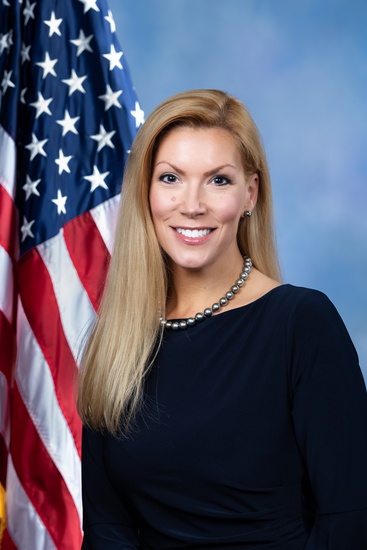
Rep. Beth Van Duyne
Sponsored bills
Maddy summaryThis bill designates the Department of Veterans Affairs community-based outpatient clinic in Lubbock, Texas, as the "General Bernie Mittemeyer VA Clinic" upon enactment. It updates all official references in federal laws, documents, and records to reflect this new name. The bill does not alter services, funding, or operations at the clinic - its sole purpose is to honor General Bernie Mittemeyer through a ceremonial naming designation. This change affects only the clinic's official identification within federal systems.
Maddy summaryHR 1169, the Wildfire Victim Tax Relief and Recovery Act, provides tax relief for individuals affected by specific 2024 Texas Panhandle wildfires. It treats compensation received for losses from the Smokehouse Creek, Windy Deuce, Grape Vine Creek, 687 Reamer, and Roughneck fires as tax-free disaster relief payments, covering costs like property damage, closing fees, and inconvenience. The bill also amends tax code provisions to allow wildfire victims to defer capital gains taxes on livestock sold due to fire, similar to existing flood-related rules. These changes apply to payments received on or after February 26, 2024, and tax returns filed for 2024 and later. The law directly benefits Texas residents who suffered wildfire-related losses and received qualifying compensation from government agencies, Xcel Energy, or related entities.
Maddy summaryThe SAFE Act requires Medicare to cover falls risk assessments and fall prevention services for seniors aged 65+ who have fallen in the previous year. These services, provided by physical or occupational therapists, will be included in Medicare's annual wellness visits and initial preventive physical exams starting January 1, 2026. The bill also mandates annual reports to Congress beginning in 2027 on falls among seniors aged 65+ that required treatment for fall-related injuries. This policy directly affects Medicare beneficiaries with a documented history of falls by adding targeted preventive care to their covered benefits.
Maddy summaryThis bill expands 529 college savings account flexibility by allowing funds to cover costs for industry-recognized postsecondary credentials, not just traditional degrees. It defines "qualified expenses" to include tuition/fees for recognized credential programs (like certifications or apprenticeships), required testing fees, and continuing education needed to maintain credentials. To qualify, programs must meet specific criteria, such as appearing on state lists under the Workforce Innovation and Opportunity Act or being listed in VA or Defense directories. The change applies to 529 distributions made after the law's enactment, giving families more options to use these accounts for job-focused training.
Maddy summaryHR 1046, the Marc Fischer Memorial Act, requires the Bureau of Prisons to implement digital mail scanning technology at all federal prisons to detect fentanyl and other synthetic drugs in inmate mail. It mandates a strategy within 90 days of an evaluation, including 100% scanning of all mail, digital copies of mail to inmates within 24 hours, and physical mail delivery within 30 days for non-contaminated items. The bill directly affects federal prison staff, inmates, and the Bureau of Prisons by aiming to reduce drug-related overdoses and alleviate staff workload tied to mail processing. Implementation must be completed within three years, with annual reports tracking detected drugs and strategy efficiency. The legislation focuses on concrete technological and procedural changes to enhance safety, referencing a successful pilot program at two facilities.
Maddy summaryThis bill permanently extends the New Markets Tax Credit (NMTC), a federal tax incentive that encourages private investment in low-income communities. It directly affects community development entities (CDEs) that channel capital into underserved neighborhoods for projects like housing, healthcare, and businesses. Key provisions include permanently extending the credit beyond 2025, adding annual inflation adjustments to the credit amount starting in 2026, and ensuring the credit isn't reduced by the alternative minimum tax for investments made after December 2024. The changes apply to taxable years beginning after December 2024, providing long-term stability for community development financing.
Maddy summaryThe Jobs and Opportunities for Medicaid Act would require most Medicaid recipients aged 18 to 65 to work or volunteer at least 20 hours per week (averaged monthly) to maintain health coverage, starting January 1, 2026. Exemptions include individuals who are pregnant, primary caregivers for children under 6, medically unable to work, or enrolled in substance abuse treatment programs. States would need to verify each month whether recipients meet this work requirement to continue receiving Medicaid benefits.
Maddy summaryHR 992, the PATROL Act, prohibits the federal Attorney General from suing states that build border barriers (like walls or fences) to prevent illegal entry or protect state territory. It specifically blocks civil lawsuits under existing border laws (33 U.S.C. 401/403) against states for such barrier projects. The bill defines key terms like "barrier" (including walls or fences) and "immigration laws" to clarify its scope. This directly affects states constructing border infrastructure and limits federal legal actions against those efforts. The bill does not create new border policies but changes the legal landscape for state-led border security measures.
Maddy summaryHR 1037, the Voter Eligibility Verification Act of 2025, amends a 1996 federal law to require state election officials to provide immigration status information for individuals on potential voter lists within 15 days when requested by a state Attorney General or Secretary of State. This bill directly affects state election administrators who must now verify voter eligibility using immigration data upon formal request. The key provision establishes a 15-day deadline for states to share this information, creating a new administrative requirement for voter eligibility checks. The bill focuses on modifying existing federal law to facilitate state-level verification processes without changing voter eligibility criteria.