

Maddy summaryHR 3946, the FIGHT Act of 2025, amends the Animal Welfare Act to specifically prohibit gambling on animal fighting events and restrict the interstate transport of roosters used in such ventures. It defines "rooster" as male chickens over six months old and makes it unlawful to sponsor, exhibit, attend (for those under 16), or gamble on animal fighting events - whether in-person or broadcast. The bill creates a civil enforcement mechanism allowing any person to file a lawsuit to stop violations after providing 60 days' notice to authorities, with potential fines up to $5,000 per violation. It also establishes seizure of property used to facilitate violations and clarifies that state laws on animal fighting remain in effect unless directly conflicting with federal provisions.
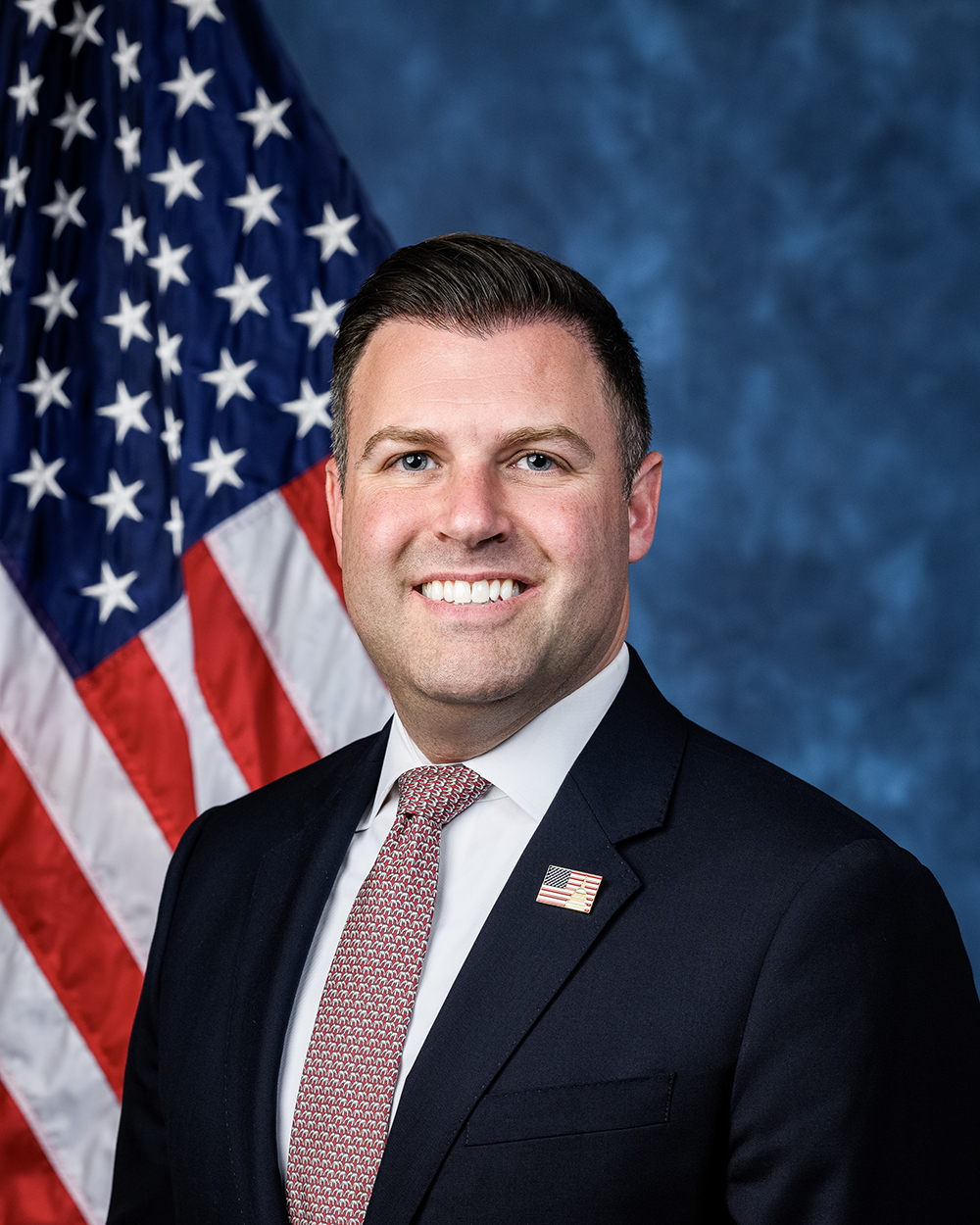
Rep. Ryan Mackenzie
Sponsored bills
Maddy summaryHR 884 prohibits non-U.S. citizens from voting in all District of Columbia elections, including for public office and ballot initiatives. It directly affects non-citizen residents of Washington, D.C., who currently vote under the repealed 2022 law. The bill repeals the Local Resident Voting Rights Amendment Act of 2022 (D.C. Law 24-242), restoring the previous rule that limited voting to U.S. citizens. This changes D.C.'s local election rules by removing voting rights for non-citizens, applying only to District-level elections, not federal elections.
Maddy summaryHR 3884, the Telemental Health Care Access Act of 2025, expands Medicare coverage for mental and behavioral health services provided via telehealth. It removes geographic restrictions that previously limited telehealth mental health coverage to rural areas, allowing beneficiaries nationwide to access these services through telehealth. The bill amends the Social Security Act to explicitly include "mental and behavioral health services furnished through telehealth" under Medicare coverage rules. This change directly affects Medicare beneficiaries seeking remote mental health care, making it easier to receive these services regardless of location. The policy change applies to all Medicare Part B beneficiaries using telehealth for qualifying mental or behavioral health services.
Maddy summaryHR 3762, the Supporting Healthy Moms and Babies Act, requires health insurance plans to cover comprehensive prenatal, childbirth, neonatal, perinatal, and postpartum care without cost-sharing (like copays or deductibles). It mandates specific services including ultrasounds, care for pregnancy loss, delivery support, and postpartum behavioral health services for conditions like diabetes or hypertension. The bill applies to group health plans and individual insurance policies starting after the law's enactment, covering both biological mothers and legal parents who did not give birth. This policy directly affects insured individuals seeking maternal and newborn healthcare, ensuring these essential services are fully covered under existing Affordable Care Act requirements.
Maddy summaryHR 649, the Whole Milk for Healthy Kids Act of 2025, amends the National School Lunch Act to allow schools participating in the program to offer students both organic and non-organic whole milk, in addition to reduced-fat, low-fat, and fat-free options. Key provisions include clarifying that milk fat in whole milk should not count toward saturated fat limits for meal compliance, prohibiting schools from purchasing milk from Chinese state-owned enterprises, and ensuring schools cannot be barred from offering the full range of milk types listed. The bill directly affects public and private schools serving the National School Lunch Program by expanding their milk options for students. It focuses on concrete policy changes to dietary offerings and sourcing restrictions within the school nutrition program.
Maddy summaryHR 3722, the "Do or Dye Act," bans specific artificial food color additives from use in food products starting in 2025 and 2026. It prohibits the use of "covered" color additives (Red No. 40, Yellow No. 5, Yellow No. 6, Green No. 3, Blue No. 1, and Blue No. 2) beginning December 31, 2025, and "qualified" additives (Citrus Red No. 2, Orange B, and similar) starting December 31, 2026. Food containing these banned dyes would be considered "adulterated" under federal food safety law. The bill directly affects food manufacturers, processors, and products containing these specific color additives.
Maddy summaryThis bill requires colleges and universities to include suicide prevention contact information on student identification cards or their websites. Specifically, institutions must list the 988 Suicide and Crisis Lifeline, Crisis Text Line, and their campus mental health center on student IDs (or post the info online if IDs aren't issued). The requirement applies to all higher education institutions creating student ID cards after the bill's enactment, with a one-year implementation period. It directly affects students by ensuring immediate access to critical mental health resources through a routine campus tool.
Maddy summaryHR 3512, the Tackling Predatory Litigation Funding Act, imposes a new annual tax on funds received by third-party investors who finance lawsuits through litigation financing agreements. It directly affects investors (including foreign entities) who provide funding to plaintiffs or law firms in exchange for a share of settlement or judgment proceeds, excluding small agreements under $10,000 or standard loans. The tax equals the top individual income tax rate plus 3.8 percentage points, with 50% withheld from settlement payments by parties involved in the lawsuit. The law also clarifies that such funds cannot offset losses and excludes certain typical legal fee reimbursements from taxation. The provisions take effect for taxable years beginning after December 31, 2025.
Maddy summaryHR 3505, the Barriers to Suicide Act of 2025, creates a federal grant program administered by the Department of Transportation to fund the installation of proven safety barriers and nets on specific high-risk structures. The program provides competitive grants (up to 80% federal funding) to states, local governments, or other eligible entities for projects installing suicide deterrents on bridges, buildings, parking garages, highway-rail crossings, or rail stations. It prioritizes areas with high suicide rates and mandates a study by the Comptroller General to evaluate effective deterrents for non-bridge structures and their costs, with a report due within one year of enactment. The bill authorizes $10 million annually from 2026-2030 for this initiative.
Maddy summaryHR 3443 creates a new Medicare payment model to provide supplemental funding for ground and air ambulance services that administer specific life-saving medications (like epinephrine, lidocaine, and blood products) during emergencies. It directly affects EMS agencies serving Medicare beneficiaries by requiring them to apply for participation, meet data reporting standards (including patient outcomes and service metrics), and receive monthly or quarterly supplemental payments based on costs for maintaining medication supplies and data systems. The model runs for at least 5 years, with a requirement for a congressional report analyzing whether the payments improve medication access, patient outcomes, and care quality - especially for rural and underserved communities. The bill also mandates a MedPAC report on EMS payment structures and EMTALA guidance to reduce "wall time" delays in hospital handoffs.