

Maddy summaryThe MORE Savings Act aims to reduce financial barriers for individuals seeking treatment for opioid use disorders by eliminating out-of-pocket costs for specific services. For Medicare beneficiaries, it establishes a five-year pilot program in 15 selected states that removes coinsurance, copayments, and deductibles for prescription drugs, behavioral health care, and community recovery support. Additionally, the bill mandates that private group health plans and individual insurance policies cover these same opioid treatments without cost-sharing requirements starting in 2027. Finally, it increases the federal funding match to 90 percent for states providing medication-assisted treatment through Medicaid and allows states to include recovery support services in this coverage.
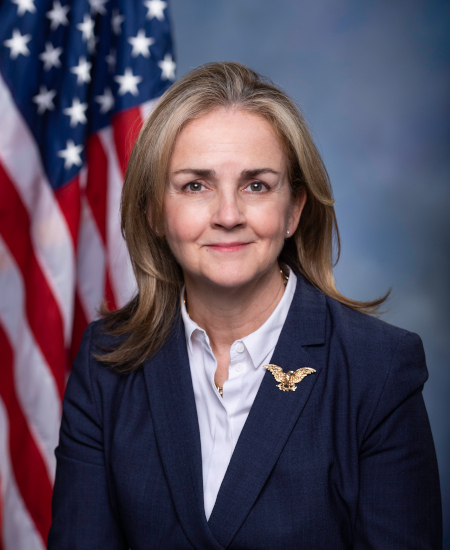
Rep. Madeleine Dean
Sponsored bills
Maddy summaryThe Public Transit Mental Health Awareness Act requires public transit agencies that receive federal assistance to display information about the national suicide prevention hotline in areas visible to passengers. This information must state that the service is free, confidential, and available around the clock. Agencies can meet this requirement by placing the notice on all their vehicles or in all their transit facilities, provided it does not block existing revenue-generating advertising space. The law includes a provision allowing agencies to remain compliant if they make reasonable efforts to restore displays that are damaged or removed, with the mandate taking effect one year after enactment.
Maddy summaryThe Oversight Access Act prohibits the Secretary of Homeland Security from blocking Members of Congress or their staff from entering immigration detention facilities for oversight purposes. The bill also forbids requiring advance notice for these visits and bans any temporary changes to a facility that would alter what visitors observe compared to normal conditions. If the Inspector General determines that the Secretary has significantly failed to follow these rules, they must report the violation to the House and Senate Judiciary Committees within 30 days.
Maddy summaryThe Stable Homes Act directs the Department of Housing and Urban Development to launch a five-year pilot program that provides $300 million annually in grants to local governments for establishing or expanding eviction diversion programs. These programs require landlords to notify tenants of their right to participate in dispute resolution before filing formal eviction proceedings, mandating at least 30 days of good-faith negotiation involving services such as mediation, housing counseling, and rental assistance. The legislation ensures that low-income tenants have access to free legal counsel if their landlord is represented by an attorney, while allowing landlords to bypass the program only in cases involving an imminent threat of physical harm. Local governments receiving these grants must submit annual reports detailing case outcomes, costs, and tenant demographics to Congress through 2030.
Maddy summaryThis bill strengthens protections for active-duty military personnel and recent veterans against harassment by debt collectors. It prohibits collectors from threatening to reduce a service member's rank, revoke their security clearance, or prosecute them under military law for failing to pay debts. Additionally, the legislation bans collectors from implying that a service member will face these specific penalties if they do not cooperate with collection efforts. To evaluate the law's impact, the bill requires the Government Accountability Office to study how these new rules affect debt information delivery, military readiness, and national security.
Maddy summaryThe FASTER Act of 2026 expands the list of major food allergens regulated by the FDA to include barley, rye, and oats alongside wheat. This change requires food manufacturers to clearly label these gluten-containing grains, helping consumers with allergies and Celiac disease identify potential triggers. The law also mandates that the FDA update its compliance guides within a year to reflect these new allergen categories. Additionally, the bill directs the Department of Health and Human Services to produce a comprehensive report on Celiac disease, covering data on prevalence, diagnostic methods, prevention strategies, and potential treatments. These provisions apply to all foods entering the market starting one year after the law is enacted.
Maddy summaryThis resolution expresses support for designating July as Disability Pride Month to honor the contributions of the approximately 70 million American adults and over 3 million children with disabilities. The bill calls on individuals, interest groups, and organizations across the United States to observe the month with celebrations and activities that promote inclusion. Additionally, it urges everyone to actively work against the exclusion and discrimination that people with disabilities often face. While the measure does not create new laws or funding, it serves as an official statement of recognition and encouragement for community engagement during this time.
Maddy summaryBaby Brent's Bill directs the Federal Trade Commission to investigate and regulate the advertising and marketing of formula designed for premature infants. The legislation requires the agency to create rules that prevent companies from hiding potential health risks or downplaying the differences between breast milk-based supplements and cow-based ones. These regulations would apply to manufacturers and importers of specialized infant formula intended for babies born before 37 weeks or with low birth weight. The bill aims to ensure parents receive clear information about product safety and options while maintaining the ability to seek legal recourse if their infants are harmed.
Maddy summaryHR 4541, the EARLY Act Reauthorization of 2025, extends the funding period for the Young Women’s Breast Health Education and Awareness program. It amends the Public Health Service Act to update the program’s expiration date from 2026 to 2031. The bill directly affects young women aged 15-25 by ensuring continued access to breast health education and awareness resources. The key provision is a simple extension of the existing program’s authorization period, without altering its scope or requirements. This is a procedural reauthorization to maintain current services through 2031.