Maddy summaryThe Small Business Tax Cut Act increases the qualified business income deduction from 20 percent to 23 percent for eligible taxpayers, directly affecting small business owners and investors. The bill modifies income thresholds that limit this deduction for higher earners and extends the phase-in rules for taxable income above certain limits. Additionally, it allows dividends from qualified business development companies to be treated similarly to qualified REIT dividends for deduction purposes. These changes apply to taxable years beginning after December 31, 2026.
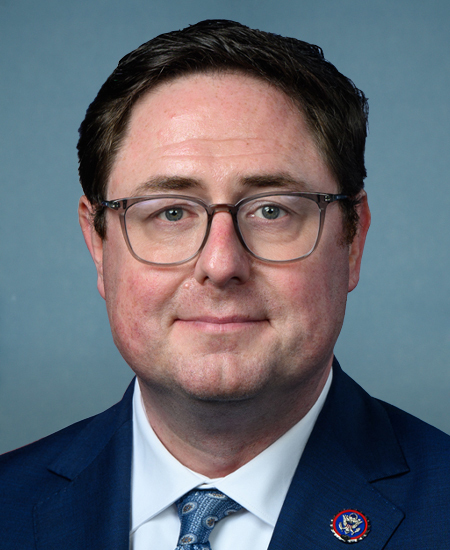
Rep. Mike Flood
Sponsored bills
Maddy summaryThe ACCURATE Act establishes a new Commission on Hazard Risk Assessment Tools to improve the quality and consistency of natural hazard risk models used by federal agencies. This commission will include representatives from government agencies, state and local emergency organizations, insurance and banking industries, and various professional sectors to develop standards for hazard maps, flood assessments, and risk scores. The bill requires federal departments to adopt these new standards when purchasing hazard assessment tools from private companies, with specific documentation requirements to ensure the tools meet established quality criteria. The commission will submit regular reports to Congress on its findings and recommendations, and the entire commission will dissolve five years after the law takes effect.
Maddy summaryThis House Resolution recognizes the efforts and public safety contributions of linemen and the important role they play in maintaining the nation's energy infrastructure. It expresses support for designating April 18, 2026, as "National Lineman Appreciation Day" and acknowledges linemen as first responders.
Maddy summaryThis bill amends two conservation programs to provide upfront payments for emergency repairs. Agricultural producers can receive up to 50% of fencing repair costs or up to 75% for other farmland rehabilitation work before starting repairs. Forest landowners may get up to 75% of emergency restoration costs before implementing measures, with funds needing to be spent within 180 days or returned. It also clarifies that federally-caused wildfires (if spread by natural causes) qualify for payments under the program.
Maddy summaryThe Every Dollar Counts Act of 2026 requires health insurance plans and issuers to count money spent by individuals on prescription drugs purchased directly, without applying their insurance benefits, towards their annual deductible and out-of-pocket maximums. This means that if an individual pays cash for a drug or uses a discount card instead of their insurance benefits, those expenditures will still contribute to reaching their yearly healthcare spending limits. This change directly affects individuals enrolled in group or individual health insurance coverage. The new rules will take effect for plan years beginning on or after January 1, 2027.
Maddy summaryThis bill modernizes the NOAA Weather Radio network to improve emergency weather warnings across the country. It requires the network to broadcast 24/7 with enhanced reliability, especially in areas without reliable internet or cellular service. The bill mandates expanding coverage to high-risk weather areas, adding satellite capabilities, and upgrading to internet-based communication systems. It authorizes $20 million annually for operations and $100 million for modernization efforts. The goal is to ensure all communities, particularly those with limited connectivity, receive timely weather warnings during emergencies.
Maddy summaryThis bill establishes a dedicated Transportation Security Trust Fund to ensure money collected from airline passenger security fees is used exclusively for aviation security purposes. The fund would support the Transportation Security Administration by paying salaries and benefits for its personnel, funding passenger and baggage screening operations, and purchasing security technology and infrastructure. Additionally, the legislation guarantees that aviation security operations can continue without interruption during government funding lapses, prioritizing frontline staff compensation and operational expenses before using remaining funds for technology upgrades.
Enhanced Iran Sanctions Act of 2025 This bill imposes sanctions on certain foreign persons (individuals and entities) that are involved in Iran's petroleum sector as well as certain associated persons. The bill also requires or authorizes actions to facilitate the enforcement of sanctions on Iran. Specifically, the bill requires the President to impose visa- and property-blocking sanctions on any foreign person that, after the bill's enactment, knowingly engages in any transaction related to the processing, export, or sale of oil, condensates, gas, liquefied natural gas, or other petrochemical products in whole or in part from Iran. The President must also impose sanctions on certain foreign persons associated with a sanctioned individual or entity. For example, the President must sanction the subsidiaries and corporate officers of a sanctioned business. The bill provides certain exceptions to these sanctions, including specifying that sanctions do not apply to the importation of goods or to conducting or facilitating transactions for humanitarian assistance. The Department of State must establish an interagency working group that shall seek to establish a multilateral contact group to coordinate international efforts to enforce sanctions on Iran. The bill expands the State Department rewards program to authorize a reward payment to any individual who furnishes information leading to the identification of a person (1) subject to sanctions under this bill, or (2) that has attempted or is attempting to evade sanctions under this bill.
Maddy summaryThis bill requires the Federal Reserve, Office of the Comptroller of the Currency, and FDIC to provide detailed annual reports on their interactions with international financial regulatory forums. The reports must include information about the forums they participate in, their funding sources, how their work aligns with U.S. interests, and the positions taken by U.S. representatives. The bill specifically targets five major international financial regulatory bodies including the Basel Committee on Banking Supervision and Financial Stability Board. These reporting requirements will be added to the agencies' existing annual reports to Congress. The legislation aims to increase transparency about U.S. financial regulatory engagement with international bodies.
Respect State Housing Laws Act This bill eliminates a provision that requires a 30-day notice period before a landlord may begin eviction proceedings against a tenant in federally assisted or federally backed housing.