Maddy summaryHR 3328 (Protecting Children From Experimentation Act of 2023) prohibits healthcare professionals from performing or referring for gender transition procedures on minors under 18. The bill defines "gender transition procedures" to include puberty-blocking drugs, cross-sex hormones, and surgeries (like genital or non-genital procedures) aimed at altering physical characteristics to match a gender different from a minor’s biological sex. It excludes care for minors with medically verified disorders of sex development or conditions requiring urgent medical treatment. Violations could result in fines, up to 5 years in prison, or both for providers, while minors receiving such care cannot be prosecuted.
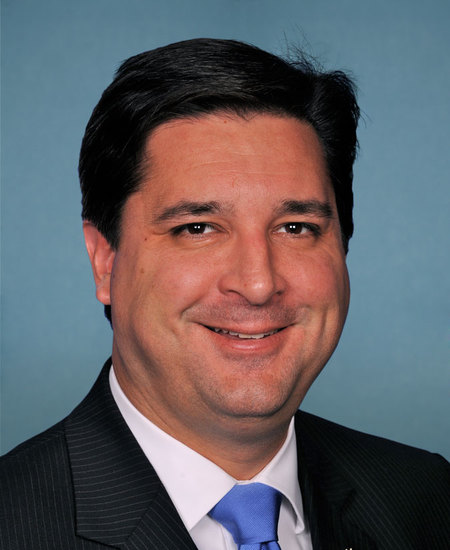
Rep. David Rouzer
Sponsored bills
Maddy summaryThe Farm Operations Support Act maintains the minimum wage rate for H-2A agricultural workers at the level established in each state on December 1, 2022, through December 31, 2023. This directly affects agricultural employers who hire temporary foreign workers under the H-2A visa program and the workers themselves, by preventing the standard annual adjustment to the wage rate. The bill provides one-year stability in labor costs for employers without altering the underlying wage requirements.
Maddy summaryHR 3238, the Affordable Housing Credit Improvement Act of 2023, updates the Low-Income Housing Tax Credit (LIHTC) program to increase the availability of affordable housing across the United States. The bill makes several key changes including increasing state funding formulas, modifying tenant eligibility rules to better serve vulnerable populations (such as domestic violence victims and students), and expanding credit eligibility for projects in rural and Native American communities. Specific provisions raise the credit for properties serving extremely low-income households, clarify rules around tenant income increases, and require housing providers to protect victims of domestic violence. The bill also updates terminology from "low-income" to "affordable" throughout the tax code and enhances program transparency through data sharing requirements. These changes aim to make the LIHTC program more effective at creating and preserving affordable housing units for low-income households nationwide.
Maddy summaryThe Beagle Brigade Act of 2023 establishes a National Detector Dog Training Center to train dogs and handlers for detecting foreign pests and diseases threatening U.S. agriculture and natural resources. The Center will collaborate with agencies like U.S. Customs and Border Protection and state agriculture departments to safeguard farms and ecosystems. It requires annual funding for operations and mandates a congressional report within one year detailing pest threats, Center effectiveness, and recommendations for improving detection capabilities. The law directly affects agricultural protection efforts by enhancing canine-based prevention of invasive species.
Maddy summaryHRES 339 is a non-binding House resolution expressing that an "all-of-the-above" energy strategy - including oil, gas, nuclear, coal, hydropower, and renewables - is the most viable approach to U.S. energy policy. It states this strategy would strengthen national security, lower consumer energy prices, and reduce reliance on foreign energy sources. The resolution highlights that domestic energy production supports infrastructure funding, job creation, and energy independence, while noting U.S. energy sources like Gulf of Mexico oil and nuclear power provide clean, reliable electricity. As a statement of congressional opinion, it does not create new laws or policy changes.
Maddy summaryHR 3039, the DRIVE Act, prohibits the Federal Motor Carrier Safety Administration (FMCSA) from requiring speed limiting devices on trucks weighing over 26,000 pounds operating in interstate commerce. This directly affects commercial trucking companies and drivers transporting goods across state lines. The bill's key provision explicitly bans the FMCSA from issuing any rule mandating such devices, which are typically set to limit vehicle speed. The law applies specifically to interstate trucking operations and does not affect state-level regulations.
Scope 3 Act This bill prohibits any securities law requirement that an issuer of securities must disclose the greenhouse gas emissions of its value chain (i.e., scope 3 emissions).
Maddy summaryThis bill protects living organ donors from insurance discrimination by prohibiting life, disability, and long-term care insurers from denying coverage, raising premiums, or altering policy terms solely because someone donated an organ while alive. It also updates the Family and Medical Leave Act to include recovery from organ donation surgery as a qualifying health condition, allowing donors to take protected leave for this purpose. Additionally, the bill requires the Health and Human Services Secretary to update public educational materials about living donation benefits, risks, and insurance protections within six months of enactment. These changes directly affect living organ donors, insurers, employers, and healthcare systems by ensuring fair access to insurance and workplace leave.
Maddy summaryHR 2955, the Stop Institutional Child Abuse Act, establishes a Federal Work Group to improve data collection and best practices for youth in residential programs (like therapeutic schools, treatment centers, and group homes). The Work Group, composed of federal agency representatives and diverse stakeholders, must develop national data standards, create risk assessment tools, and issue biennial reports with recommendations to enhance safety, reduce restraints, and expand community-based alternatives. It directly affects youth with mental health, substance use, or disability needs placed in these facilities, as well as agencies overseeing them. The bill also mandates a National Academies study to examine funding, oversight, and barriers to community care. These mechanisms aim to standardize data tracking and promote less restrictive, trauma-informed care for youth in residential programs.
Maddy summaryThe Employee Rights Act (HR 2700) amends key labor laws to strengthen employee rights in collective bargaining and privacy. It requires employers to use secret ballot elections for selecting bargaining representatives and to provide labor organizations with voter lists containing employee names and one form of contact information (chosen by the employee) within two business days of an election. The bill prohibits employers from using employee personal information for non-organizing purposes and mandates written authorization for using union dues on non-bargaining activities, with authorizations expiring after one year. Additionally, it clarifies joint employment standards to prevent misclassification and adds tribal sovereignty protections to labor law definitions.