Maddy summaryHRES 559 is a non-binding House resolution declaring U.S. policy that a nuclear-armed Iran is unacceptable. It states the U.S. must prevent Iran from obtaining nuclear weapons under any circumstances, use all means necessary to stop this, and support allies like Israel in doing so. The resolution does not create new laws or programs but formally expresses congressional position on Iran's nuclear program. It directly affects U.S. foreign policy direction and diplomatic messaging, not specific individuals or groups.
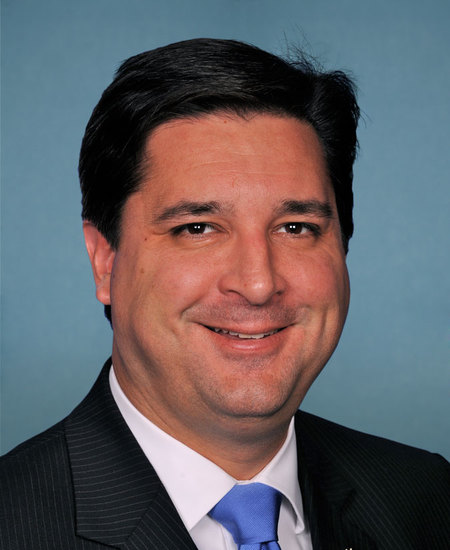
Rep. David Rouzer
Sponsored bills
Maddy summaryHCONRES 74 is a non-binding congressional resolution expressing support for the Geneva Consensus Declaration, a 2020 agreement signed by 36 countries affirming that no international right to abortion exists, protecting life at all stages, and prioritizing the family as society's foundation. It urges the U.S. to rejoin this declaration, which the Biden administration temporarily withdrew from, while noting existing U.S. laws already prohibit federal funding for abortions or coercive family planning abroad. The resolution does not create new laws but calls on the President to restore U.S. participation and directs oversight to ensure U.S. foreign aid aligns with current abortion funding restrictions. It directly addresses U.S. foreign policy engagement with international health initiatives but does not affect domestic laws or policies.
This resolution condemns the release of $6 billion in sanctioned Iranian funds and urges the immediate rescission of the waiver that allowed for the transfer of such assets. It also condemns potential violations of the Taylor Force Act, which prohibits U.S. foreign assistance from directly benefiting the Palestinian Authority except for certain humanitarian purposes.
Maddy summaryHRES 771 is a non-binding resolution expressing the U.S. House of Representatives' support for Israel following Hamas' October 7, 2023, attack. It condemns Hamas' actions, affirms Israel's right to self-defense, and calls for the immediate release of hostages. The resolution also urges enforcement of existing laws restricting aid to terrorists and sanctions against Iran for supporting Hamas. It does not create new policies or allocate funds, as it is a symbolic statement of congressional support.
Maddy summaryHRES 768 is a symbolic House Resolution expressing congressional support for Israel following Hamas' October 7, 2023 attacks. It condemns Hamas' actions, reaffirms Israel's right to self-defense, and calls for the immediate release of hostages. The resolution references the U.S. commitment to Israel's security through existing military aid programs, including the 2016 U.S.-Israel Memorandum of Understanding, and emphasizes enforcement of laws like the Taylor Force Act to prevent U.S. aid from reaching terrorist groups. As a symbolic resolution, it does not create new policy but serves as a statement of congressional support for Israel.
Maddy summaryThis bill, HR 5920 (Student Loan Marriage Penalty Elimination Act of 2023), changes how married couples can deduct student loan interest on their federal taxes. It amends the tax code to allow each spouse to claim a separate $2,500 deduction limit for student loan interest, instead of a single combined limit for the couple. This directly affects married couples filing jointly who pay student loan interest and qualify for the deduction. The change applies to tax years beginning after December 31, 2022, and ensures the deduction aligns with the tax treatment for individual filers.
Maddy summaryHR 5110, the Protecting Hunting Heritage and Education Act, amends the Elementary and Secondary Education Act of 1965 to clarify that federal education funds cannot be used for certain weapons - but this restriction does not apply to archery, hunting, or other shooting sports training programs. The bill directly affects schools and educational programs seeking to use federal funds for these specific activities, such as archery clubs or hunting safety education. It adds an explicit exception to the existing prohibition, allowing funds to support "educational instruction or enrichment activities" in these sports under authorized programs. This change removes ambiguity about funding eligibility for such educational initiatives in K-12 schools.
Maddy summarySammy's Law of 2023 requires large social media platforms (defined as those with over 100 million monthly users or $1 billion in annual revenue) to create and maintain application programming interfaces that allow parents or legal guardians to delegate account management for children aged 13 or older to third-party safety software providers. These providers must register with the Federal Trade Commission, agree to use data solely for child safety, and follow strict rules about data disclosure. The law establishes a national standard that prevents states from creating their own requirements for this feature while including FTC enforcement mechanisms and data security provisions. The legislation aims to give parents more tools to monitor and protect children from specific online harms like cyberbullying, trafficking, and violence on major social media platforms.
Maddy summaryHRES 739 is a House resolution disapproving of a September 11, 2023, sanctions waiver that would release $6 billion in Iranian assets held in South Korea. The resolution states this waiver weakens U.S. policy by allowing Iran access to funds that could support its nuclear program and terrorism, and criticizes the delayed notification to Congress. It specifically condemns the administration's nonenforcement of mandatory sanctions and the release of assets without proper congressional review. The resolution demands the administration submit any Iran nuclear agreement to Congress before further sanctions relief. This is a procedural disapproval, not a law altering sanctions.
Maddy summaryHR 5094, the SNAP Staffing Flexibility Act of 2023, allows state agencies administering the Supplemental Nutrition Assistance Program (SNAP) to hire private contractors for eligibility processing during emergencies like pandemics, natural disasters, or temporary staffing shortages. The bill permits states to contract with outside firms under specific safeguards: contractors cannot delay applications or deny eligible individuals benefits, and they must have no financial ties to grocery stores. States must notify the USDA before using this authority and report annually on how they address processing backlogs. This change aims to prevent delays for SNAP recipients during crises while ensuring existing state workers are not replaced and all federal rules are followed.