Maddy summaryHJRES 98 is a congressional resolution seeking to block a National Labor Relations Board (NLRB) rule that defined how businesses are considered "joint employers" for labor law purposes. The bill targets the NLRB's October 2023 rule (88 Fed. Reg. 73946), which would have changed how companies like franchisors or staffing agencies are held responsible for workers' rights. If passed, this resolution would cancel the rule, directly affecting businesses managing multiple employer relationships and labor organizations enforcing workplace standards. The measure uses a standard process under federal law to disapprove an agency rule, not creating new policy but reversing an existing regulation.
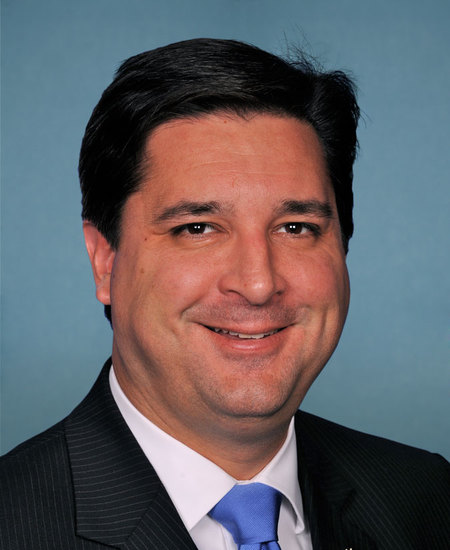
Rep. David Rouzer
Sponsored bills
Maddy summaryHR 8231, the James Earl Jones Congressional Gold Medal Act, authorizes a Congressional Gold Medal to be awarded to actor James Earl Jones in recognition of his distinguished career in theater and film, and his role in advancing inclusion and equal opportunities for people of all backgrounds in the entertainment industry. The Treasury will strike the medal with an image and inscription of Jones, and may produce and sell bronze duplicates to cover costs, with proceeds deposited into the U.S. Mint's public enterprise fund. This bill serves as a ceremonial honor with no new legal requirements or policy changes.
Maddy summaryHJRES 134 is a joint resolution seeking congressional disapproval of a Department of Labor rule titled "Improving Protections for Workers in Temporary Agricultural Employment." The bill targets the specific rule published in the Federal Register (89 Fed. Reg. 33898, April 29, 2024) that aimed to strengthen worker protections for temporary agricultural employees. If passed, this resolution would block the rule from taking effect, preventing the Department of Labor's new regulations from being implemented. The measure directly affects the rule's implementation, not the workers or employers it was designed to protect.
Maddy summaryHR 8221, the "Hamas Supporters Have No Home Here Act," amends U.S. immigration law to bar non-citizens charged with crimes related to participating in pro-terrorism or antisemitism rallies from entering or remaining in the United States. The bill adds new inadmissibility grounds under Section 212(a)(3) and makes such individuals ineligible for deportation relief under Section 241(b)(3). It directly affects non-citizens facing criminal charges tied to these specific types of demonstrations, regardless of whether they are charged with supporting Hamas specifically. The law changes existing immigration procedures to automatically deny entry or removal relief for those convicted of crimes connected to these rallies.
Maddy summaryHR 8147 repeals the Corporate Transparency Act, which required certain businesses (typically those with more than 20 employees) to report beneficial ownership details to the Treasury Department. This bill eliminates the requirement for companies to disclose who ultimately owns or controls them, directly affecting business owners and financial institutions that previously submitted this information. The bill also makes minor technical changes to Title 31 of the U.S. Code to remove references to the repealed provisions. The repeal would end the existing financial transparency reporting obligation for covered entities.
Maddy summaryThis resolution (HRES 1157) is a symbolic gesture recognizing the work of linemen. It does not create new laws or policies; instead, it formally expresses the House's support for designating April 18, 2024, as "National Lineman Appreciation Day." The resolution highlights linemen's critical role in maintaining power infrastructure, their work as first responders during emergencies, and their safety risks. It directly affects no individuals or entities through policy changes - it solely offers ceremonial recognition of linemen's contributions to public safety.
Maddy summaryHJRES 130 is a congressional resolution seeking to block a Federal Railroad Administration (FRA) rule that would have required minimum train crew sizes for safety. It directly affects railroads and safety regulators by preventing the FRA's April 2024 rule (89 Fed. Reg. 25052) from taking effect. The bill uses a standard disapproval process under federal law to halt the rule without creating new requirements. This resolution does not change existing safety standards but stops the specific FRA proposal from becoming law. The measure targets the "Train Crew Size Safety Requirements" rule published on April 9, 2024.
Maddy summaryHR 3591, the Asylum Accountability Act, removes a 10-year bar to adjusting immigration status for asylum seekers who fail to appear at their removal hearing. It amends Section 240(b)(7) of the Immigration and Nationality Act by eliminating the phrase "for a period of 10 years after the date of the entry of the final order of removal." This change directly affects individuals seeking asylum who miss their scheduled removal proceedings. The key provision simplifies the process by allowing these individuals to immediately apply for status adjustment after a final removal order, without waiting a decade. The bill makes a specific procedural change to immigration law without altering broader asylum eligibility criteria.
Maddy summaryThe Love Lives On Act of 2023 modifies benefits for surviving spouses of military veterans and service members. It removes an expiration date on the Marine Gunnery Sergeant John David Fry Scholarship for surviving spouses, ensures remarriage doesn't automatically end eligibility for veterans' dependency and indemnity compensation, and expands access to commissary and exchange privileges for remarried surviving spouses. The bill also clarifies that remarried widows or widowers whose subsequent marriage ended (due to death, divorce, or annulment) can still be considered dependents under TRICARE. These changes directly affect surviving spouses of veterans and military members who have remarried or are considering remarriage, providing more consistent benefits regardless of marital status.
Maddy summaryHRES 1148 is a resolution passed by the U.S. House of Representatives that condemns the Iranian government for supporting terrorism, regional proxy conflicts, and internal suppression of dissent - including its crackdown on protests following Mahsa Amini's death in 2022. It specifically calls for maintaining sanctions against Iran, supporting the Iranian Resistance's Ten-Point Plan (which advocates for a democratic, secular, nonnuclear Iran), and protecting Iranian political refugees in Albania. The resolution also affirms the Iranian people's right to self-determination under international law and urges the U.S. to recognize their struggle for freedom. As a non-binding resolution, it does not create new laws but formally expresses congressional stance.