Maddy summaryThe Freedom to Heal Act of 2025 creates a new federal registration process for physicians to directly administer Schedule I investigational drugs under the "Right to Try" framework. It requires physicians to apply to the Attorney General with evidence of state compliance, manufacturer agreements, and training, and limits the amount of drugs they may possess based on approved applications. The bill mandates the Attorney General to issue interim rules within 240 days and final rules within two years covering drug delivery, storage, recordkeeping, and registration management. This affects physicians treating eligible patients with Schedule I drugs under federal Right to Try provisions, not the patients themselves.
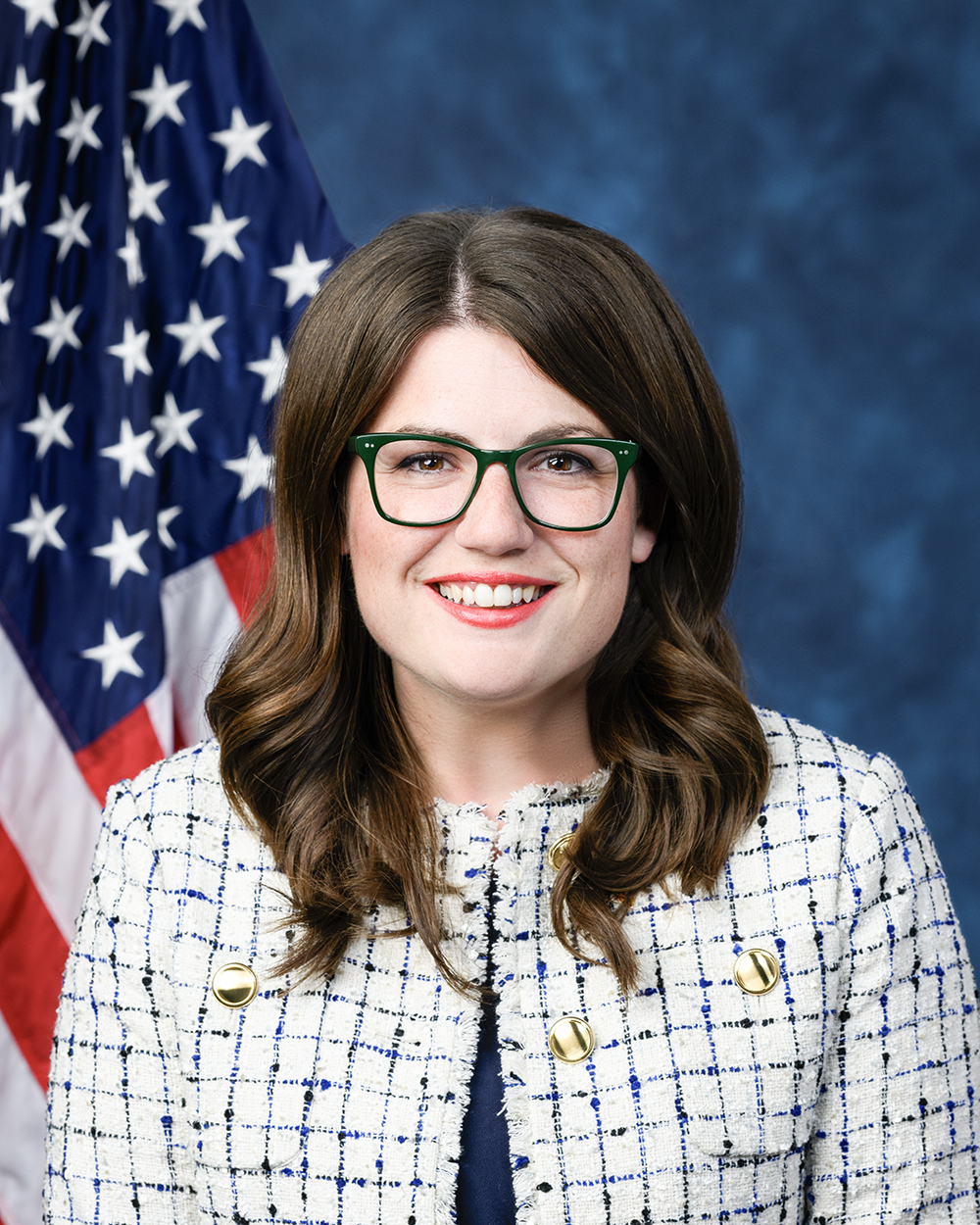
Rep. Sarah Elfreth
Sponsored bills
Maddy summaryHRES 925 is a non-binding resolution condemning the Iranian government's ongoing persecution of the Baha'i religious minority. It directly affects Baha'is in Iran, who face systemic discrimination, imprisonment, denial of education and employment, and violence due to their faith. The resolution calls on Iran to immediately release Baha'i prisoners, end hate propaganda targeting them, and reverse policies banning their access to education and jobs. It also urges the U.S. President and Secretary of State to demand Iran's compliance and use existing sanctions authorities against officials responsible for human rights abuses against Baha'is.
Maddy summaryHR 5716, the FARM SAFE Act, ensures that USDA employees administering key agricultural disaster programs cannot be furloughed or laid off during government shutdowns. It directly affects USDA staff working on programs like crop insurance, livestock aid, and other federal disaster assistance authorized under the Agricultural Credit Act of 1978 and the Agricultural Act of 2014. The bill requires these employees to be treated as "excepted" under federal law during funding gaps, guaranteeing program continuity without requiring new appropriations. This provides immediate stability for farmers relying on disaster relief during federal budget disruptions.
Give Kids a Chance Act of 2025 This bill expands the Food and Drug Administration’s (FDA’s) authority with respect to research on rare pediatric diseases, including by permitting the FDA to take enforcement action against drug sponsors that fail to satisfy pediatric study requirements and by reauthorizing programs that support pediatric research. Specifically, the bill modifies requirements relating to molecularly targeted pediatric cancer investigations to permit research on new drugs in combination with active ingredients that have already been approved, provided certain conditions are met; permits the FDA to take enforcement action against drug sponsors that fail to comply with pediatric study requirements, if such sponsors demonstrated a lack of due diligence in satisfying the requirement; renews the FDA’s authority to award priority review vouchers to sponsors of new products intended to treat rare pediatric diseases through September 30, 2029; and reauthorizes through FY2027 certain funding for the National Institutes of Health to support priority pediatric research. The bill also provides statutory authority for the FDA’s interpretation of the orphan drug exclusivity period. The bill specifies, consistent with FDA regulations, that the seven-year market exclusivity period for drugs for rare diseases or conditions (i.e., orphan drugs) prohibits the approval of the same drug for the same approved use or indication with respect to the disease or condition. (In Catalyst Pharmaceuticals, Inc. v. Becerra , a court rejected the FDA’s interpretation and held that orphan drug exclusivity extends to all uses or indications for the disease or condition.)
Maddy summaryThis bill ensures FEMA can continue disaster relief operations during government funding gaps by authorizing the agency to use existing Disaster Relief Fund balances. It allows FEMA to process claims and payments for both current and future disasters (including individual and public assistance) without interruption, while maintaining necessary staff and contracts. The bill prohibits diverting Disaster Relief Fund money during shutdowns (except for mandatory legal requirements) and explicitly designates FEMA operations as "essential" under the Anti-Deficiency Act to protect life and property. It directly affects disaster victims by preventing aid delays during budget disputes.
Maddy summaryThis bill amends the Pittman-Robertson Wildlife Restoration Act to delay when interest earned on the Federal aid to wildlife restoration fund becomes available for apportionment to states. Specifically, it changes the effective date from fiscal year 2026 to fiscal year 2033, meaning states will not receive this interest for wildlife conservation funding until 2033. The bill directly affects state wildlife conservation programs that rely on these federal funds for projects like habitat restoration. The title "Wetlands Conservation and Access Improvement Act" does not reflect the bill's actual focus, which is a procedural change to fund timing rather than new conservation measures.
Maddy summaryThis bill prevents the Secretary of Commerce from ending cloud storage contracts for NOAA data without meeting specific requirements. It directly affects the Secretary of Commerce and NOAA's data storage contracts with cloud providers. The law requires the Secretary to create a plan for transitioning data to another cloud provider and to work with NOAA's Administrator to maintain continuous data protection. This ensures NOAA's critical environmental and oceanographic data remains accessible and secure during any contract changes.
Maddy summaryThis bill (HR 6015) ensures existing labor agreements between the Department of Veterans Affairs (VA) and employee unions remain in full effect through their scheduled terms. It also cancels two executive orders (14251 and 14343) that previously excluded VA from standard federal labor-management programs. The bill directly affects VA employees and their unions by preserving current collective bargaining rights and requiring VA to follow standard federal labor rules. It does not change veterans' benefits or healthcare access; it only modifies VA's internal labor relations procedures. This is a procedural bill focused on labor-management processes, not direct policy changes for veterans.
Maddy summaryThis bill establishes fairer pay and retirement benefits for federal firefighters. It requires that overtime hours worked during a firefighter's regular schedule be included in retirement calculations, improving retirement payouts. The bill also sets a maximum 60-hour regular workweek for federal firefighters, to be defined by the Office of Personnel Management within one year. These changes directly affect federal firefighters by addressing pay disparities with municipal firefighters and enhancing recruitment and retention.
Maddy summaryThe THRIVE Act of 2025 establishes a new interagency task force within the Department of Veterans Affairs (VA) to evaluate and improve access to complementary and integrative health therapies for veterans. The task force, composed of VA leaders, clinicians, researchers, veterans' advocates, and community program representatives, will assess current access to therapies like acupuncture, yoga, peer support, and mental health coaching at VA facilities. Its key responsibilities include analyzing the effectiveness of these therapies for conditions like PTSD, depression, and anxiety; identifying gaps in research and service availability; and recommending how the VA can better integrate these approaches into veterans' care. The task force must submit its findings and recommendations to the VA Secretary within one year, followed by reports to Congress detailing implementation plans. This bill directly affects VA medical facilities and veterans receiving care there, focusing on enhancing mental health treatment options through evidence-based evaluation.