Maddy summaryThe Whale CHARTS Act of 2026 establishes a program to protect migratory whales and other large cetaceans through improved mapping, monitoring, and mitigation measures. It requires the creation of detailed, high-resolution maps of whale habitats, including calving grounds and migration routes, which will be integrated into vessel navigation systems to prevent collisions. The bill authorizes $8 million annually through 2030 for mapping, surveys, and a $10 million grant program to fund new detection technologies that reduce harmful interactions between whales and ocean users. It also mandates regular reporting to Congress on the program's effectiveness and progress in filling knowledge gaps about whale habitats.
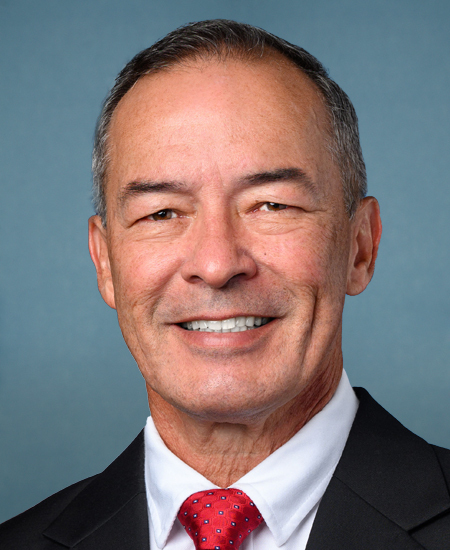
Rep. James C. Moylan
Sponsored bills
Maddy summaryHR 6213, the Heat Workforce Standards Act of 2025, prohibits the U.S. Department of Labor from finalizing, implementing, or enforcing OSHA's proposed "Heat Injury and Illness Prevention" standard (published August 30, 2024). This bill directly blocks the specific regulatory proposal targeting heat safety in both outdoor and indoor work settings. It does not create new requirements or affect workers; it solely prevents the implementation of the existing OSHA proposal. The bill is procedural, focusing on halting a regulatory action rather than establishing new policy.
Maddy summaryThis bill reauthorizes federal programs focused on preventing and responding to tick-borne diseases through 2026-2030, extending existing efforts beyond their previous expiration. It updates the National Strategy for Vector-Borne Diseases to emphasize identifying, reporting, preventing, and responding to these illnesses. The bill modifies two sections of the Public Health Service Act to continue funding for health departments working on vector-borne disease control. It directly affects public health programs and state/local health departments managing tick-borne disease prevention and response.
Maddy summaryThis bill prevents the National Science Foundation from stopping or dismantling the Ocean Observatories Initiative instruments located off the coasts of Oregon, Washington, Alaska, North Carolina, and in the Irminger Sea. It requires the agency to conduct a thorough review of the program with input from scientists and coastal communities before any such actions can occur. Until that review is finished, the bill mandates that the initiative continue operating normally in all areas where instruments were previously removed. The legislation directly affects the federal funding and operational status of this specific scientific research network.
Maddy summaryThe NOPE Act of 2026 expands the congressional review process for U.S. sanctions targeting Russia, specifically adding energy-related actions to the list of measures that require legislative approval. Under this bill, the government must wait for a specific certification from the Secretary of State confirming that Russia has ended its war in Ukraine and committed to a just peace settlement before taking certain actions against Russian crude oil, petroleum products, natural gas, or other energy exports. The legislation also allows for limited exceptions during this review period to permit energy shipments necessary for crew safety, emergency repairs, environmental protection, or urgent economic needs in foreign countries.
Maddy summaryThis resolution commemorates the 70th anniversary of the United States Forest Service Institute of Pacific Islands Forestry, which has operated since 1956 to support tropical forest research in the Pacific region. The bill recognizes the institute's work in wildfire management, invasive species control, and ecosystem conservation, highlighting its role in providing scientific data for land restoration and climate resilience. It also acknowledges the importance of the institute's location on Hawaii Island and reaffirms congressional support for its ongoing operations and dedicated staff.
Maddy summaryHR 4398, the Veteran Burial Timeliness and Death Certificate Accountability Act, requires Veterans Affairs (VA) physicians or nurse practitioners to certify the death of a veteran who dies of natural causes within 48 hours of learning of the death. This directly affects veterans' families, who previously faced delays of up to eight weeks in burial and access to survivor benefits due to slow death certifications. The bill mandates annual reports to Congress on VA compliance with the 48-hour rule, including statistics on delays and their causes. The key change is establishing a strict timeline for death certification to prevent unnecessary delays in honoring veterans' final arrangements.
Maddy summaryThe Pacific Islands Liaison Initiative Act creates a new program within the Department of Homeland Security to strengthen law enforcement ties with Pacific Island nations. This initiative will deploy U.S. personnel to Honolulu and Guam to conduct joint operations, provide training, and share resources to help local countries fight transnational crime. The program is authorized to receive $5 million annually from 2027 through 2034 and requires the agency to submit yearly reports to Congress on its activities and funding.
Maddy summaryThe GRACE for Military Survivors Act extends the deadline for contributing military death benefits to Roth IRAs and Coverdell education savings accounts from one year to three years. This change directly benefits families of service members who receive these death benefits, giving them more time to save for retirement or education. The law applies to benefits received after the bill is enacted and includes a special rule allowing contributions made within a specific window for benefits received between 2001 and the enactment date. By amending the Internal Revenue Code, the bill ensures that eligible funds can be deposited into these tax-advantaged accounts without losing their value due to time limits.
Maddy summaryThis bill directs the National Institute of Standards and Technology to create task forces that develop technical standards for labeling content created by artificial intelligence. These groups will work with technology companies, social media platforms, and privacy experts to establish methods for watermarking images and videos, as well as tagging text, to help users distinguish AI-generated material from human-made content. The legislation requires these task forces to include representatives from various sectors, including developers, media organizations, and labor groups, and mandates regular reporting to Congress on their progress. Additionally, the bill emphasizes the need to protect user privacy when implementing these new tracking and labeling systems.