Maddy summaryHR 4796, the Restoring Essential Healthcare Act, repeals a provision that blocked Medicaid payments to certain healthcare providers during a specific period. It directly affects Medicaid beneficiaries who received care from these providers between the enactment of the prior law (Public Law 119-21) and this bill's enactment. The key provision retroactively restores Medicaid payments for services already provided during that blocked period, treating the payment restriction as if it never existed. This change ensures eligible individuals and providers receive reimbursement for covered care delivered during the prohibited timeframe.
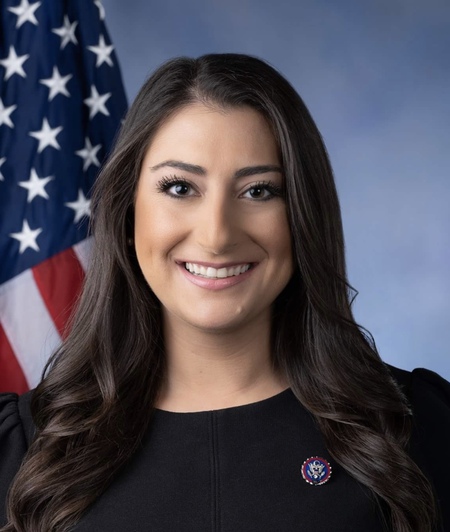
Rep. Sara Jacobs
Sponsored bills
Maddy summaryHR 4696 amends Section 249 of the Immigration and Nationality Act to update eligibility for a registry program that provides a pathway to legal status for long-term residents. It changes the requirement from entering the U.S. before January 1, 1972, to entering at least 7 years before the application date. This adjustment bases eligibility on a rolling 7-year window instead of a fixed historical cutoff, allowing more recent long-term residents to qualify. The bill directly affects individuals who entered the U.S. after 1972 but maintained continuous residence for at least seven years prior to applying.
Maddy summaryThis bill reauthorizes an existing program supporting students with disabilities by requiring the Secretary of Education to reissue a contract for the "Charting My Path for Future Success" project within 90 days. The project trains educators to help students with disabilities set academic and life goals, create action plans, and track progress - directly affecting 1,600 high school students across 62 schools in 13 school districts. Key provisions include continuing the established training model (used by 61 educators since January 2025) and prohibiting contract cancellation without congressional approval. The bill does not create new funding or expand eligibility but ensures the existing initiative continues uninterrupted.
Maddy summaryH.J. Res. 108 proposes a constitutional amendment to remove legal immunity for federal officials, including the President, from criminal prosecution for actions taken while performing official duties. It would prohibit the President from granting pardons to themselves and eliminate the defense that "official authority" excuses violations of federal or state law (with limited exceptions for certain congressional actions). If ratified, this amendment would require Congress to pass implementing laws to enforce these changes. The proposal is currently in the House Judiciary Committee and requires approval by three-fourths of state legislatures to become part of the Constitution.
Maddy summaryHR 4482, the Stop NOAA Closures Act, imposes a temporary moratorium on closing, suspending, or limiting access to National Oceanic and Atmospheric Administration (NOAA) facilities, effective until a report is submitted to Congress by January 21, 2029. The bill requires NOAA and the General Services Administration to submit detailed reports to specific congressional committees before any future facility closure, suspension, lease termination, or consolidation - outlining cost-benefit analyses, service impacts, and justification. Exceptions apply only for emergencies posing immediate threats to personnel safety. This bill directly affects NOAA's facility management decisions and mandates congressional oversight for future closures.
Maddy summaryThis resolution (HRES 592) expresses the U.S. House of Representatives' support for Nelson Mandela International Day, designated by the United Nations on July 18. It honors Nelson Mandela's legacy as an anti-apartheid leader, global symbol of reconciliation, and advocate for peace, human rights, and democracy. The resolution urges all U.S. citizens to reflect on his values of tolerance and democracy but has no legal effect or direct impact on policies or individuals. As a ceremonial resolution, it does not create new laws or obligations.
Maddy summaryHR 4516, the Saving Lives and Taxpayer Dollars Act, prohibits the U.S. government or its aid partners from destroying food, medicine, vaccines, or other foreign assistance commodities before they expire, requiring these items to be redirected to intended beneficiaries instead. The bill mandates that agencies like USAID, State, and Agriculture must make every effort to donate or sell expired aid items to those in need before disposal. It also requires annual reports to Congress detailing any expired, spoiled, or destroyed aid items, including reasons for not redirecting them and associated costs. This directly affects U.S. foreign aid agencies and their global partners, ensuring aid reaches people facing hunger, disease, or health crises rather than being wasted.
Maddy summaryThe Silver Shield Act of 2025 establishes a new U.S. government program to monitor how foreign countries use American military equipment and services. It requires the U.S. to obtain written agreements from recipient nations before arms sales, prohibiting the use of U.S. weapons to commit civilian harm or violate international humanitarian law (like genocide or war crimes). The program mandates 180-day investigations into alleged violations and automatically makes violators ineligible for future U.S. arms transfers. This directly affects foreign governments receiving U.S. military aid, adding accountability measures to existing arms export rules.
Maddy summaryHCONRES 44 is a symbolic resolution recognizing a health and safety emergency for children linked to the Trump administration's climate policies. It claims these policies - unleashing fossil fuel production, blocking renewable energy, and suppressing climate science - disproportionately harm children through increased air pollution, extreme weather, and denied access to climate data. The resolution calls for reversing these policies, restoring the EPA's mission, and ensuring climate action aligns with protecting children's rights. It does not enact new laws or change policy, but serves as a formal congressional statement of concern.
Maddy summaryThis bill would require cosmetic suppliers to provide brand owners with detailed safety information about ingredients, including environmental and health hazards, chemical properties, and testing results. It creates a new FDA list of "nonfunctional constituents" (chemicals with no purpose in the product but potentially harmful to health or the environment) and mandates testing for these substances. Suppliers must provide certificates of analysis showing levels of these substances before selling to brand owners. The bill also establishes recordkeeping requirements for the entire cosmetic supply chain to facilitate recalls or investigations. These requirements apply to cosmetic manufacturers, suppliers, and brand owners, with the FDA responsible for implementation and enforcement.