

Maddy summaryThis bill expands legal protections for domestic violence and stalking survivors by broadening key definitions. It adds current and former dating partners to the definition of "intimate partner" and includes children of dating partners in domestic violence protections. The bill also creates a new federal definition for "misdemeanor crime of stalking," requiring a course of harassment causing fear for specific people (including intimate partners, family, or shared-residence individuals) or their pets/service animals. Convictions under this new definition would trigger firearm restrictions, with specific safeguards for due process in court proceedings. These changes directly affect survivors in dating relationships and their children, strengthening federal protections for vulnerable individuals.
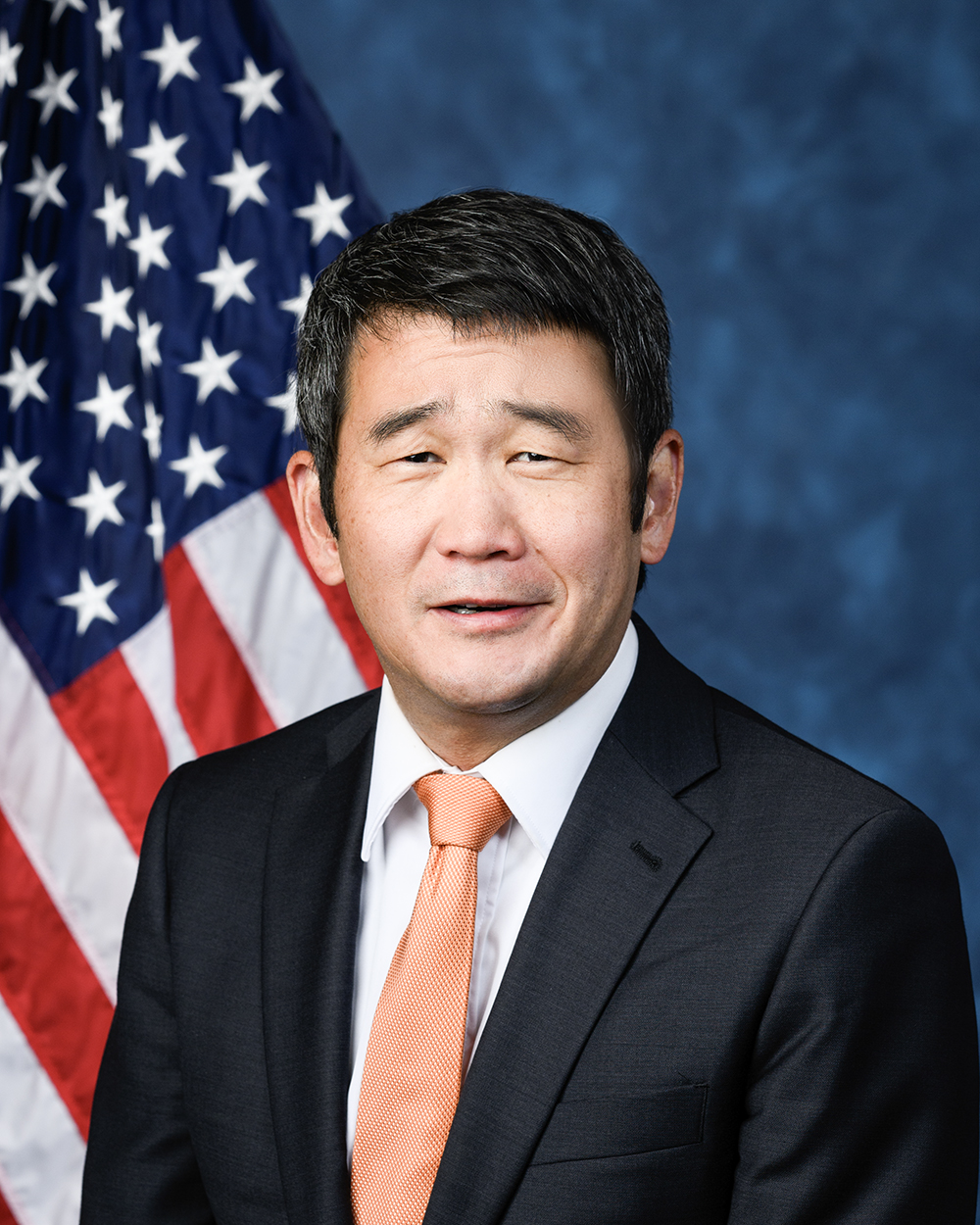
Rep. Dave Min
Sponsored bills
Maddy summaryHR 4180, "Canyon’s Law," prohibits the use of M-44 devices - predator control tools containing highly toxic sodium cyanide - on public lands managed by federal agencies like the National Park Service, Fish and Wildlife Service, and Forest Service. The bill requires all federal, state, and county agencies to remove existing M-44 devices from public lands within 30 days of enactment. It directly affects agencies and land managers who previously deployed these devices, which have caused human poisonings (including incidents involving children), killed over 50 family dogs, and harmed endangered species. The law aims to eliminate the risk of accidental exposure and non-target wildlife deaths by banning the devices' use on public lands.
Maddy summaryThis bill establishes two grant programs to address technological abuse against victims of domestic violence, dating violence, sexual assault, and stalking. It authorizes a 5-year pilot program (with up to 15 grants of $2 million each) for partnerships between tech-focused schools, tech companies, and domestic violence centers to provide victims with new devices and combat tech abuse. A separate $20 million grant program funds nonprofits and schools to develop training materials for service providers on preventing and responding to technological abuse. The bill directly affects victims experiencing tech-based stalking or monitoring and the organizations that support them, focusing on practical resources and education rather than new legal requirements.
Maddy summaryThis bill directs the National Oceanic and Atmospheric Administration (NOAA) to advance its computing capabilities for weather forecasting. It requires NOAA to establish centers of excellence focused on artificial intelligence, machine learning, and next-generation computing, while developing a 10-year strategic plan for high-performance computing needs. The plan must address infrastructure, workforce, and technology requirements across NOAA’s operations, including improving forecasts for hazardous weather events like hurricanes and flash floods. NOAA must also report biennially to Congress on progress and collaborate with the Department of Energy on computing needs. The bill affects NOAA directly and aims to enhance forecast accuracy for public safety and weather-related decision-making.
Maddy summaryThe Women's Health Protection Act of 2025 would protect access to abortion services across the United States by prohibiting states from imposing restrictions that are more burdensome than those on comparable medical procedures. The bill directly affects people seeking abortion care and health care providers by banning restrictions such as mandatory in-person visits, requirements for specific tests, limitations on telemedicine, and rules based on a patient's reason for seeking abortion. It prohibits state laws that single out abortion for unnecessary restrictions while allowing post-viability abortions when necessary to protect a patient's life or health. The bill preempts conflicting state laws and provides enforcement mechanisms through private lawsuits and actions by the Attorney General.
Maddy summaryThis bill prohibits state officials from blocking abortion access for patients traveling from other states, including restricting providers who offer legal abortions in their state to out-of-state patients. It protects people traveling across state lines for legal abortions, those assisting such travel, and the interstate transport of FDA-approved abortion medication. Violations can be challenged by the Justice Department or affected individuals through civil lawsuits seeking injunctions and damages. The law applies broadly across all states, territories, and tribal nations, defining "abortion service" to include both medical procedures and related care.
Maddy summaryThe Caring for Survivors Act of 2025 increases monthly dependency and indemnity compensation for surviving spouses of veterans. It changes the calculation method from a fixed $1,154 to 55% of a specific veteran compensation rate, effective six months after enactment. The bill also reduces the required continuous disability rating period for survivors from 10 years to 5 years, and provides a proportional payment for cases where the rating period is shorter than 10 years. Surviving spouses of veterans who died before January 1, 1993, receive the greater of their current benefit or the new calculation. This directly affects surviving spouses eligible for benefits under Title 38, U.S. Code, particularly those with veterans who died prior to 1993.
Maddy summaryThe Insurrection Act of 2025 would clarify and limit when the President can deploy military forces domestically to address insurrections, rebellions, or widespread violence. It requires state and local authorities to be unable to handle the situation, with specific circumstances including obstruction of voting rights or Federal law, and mandates the state governor's request for assistance. The bill requires the President to consult Congress, issue a proclamation ordering lawbreakers to disperse, and submit a detailed report before deployment, with military action limited to 7 days unless Congress passes a joint resolution approving it for up to 14 days. The bill explicitly prohibits using National Guard members on training duty for these purposes and provides for judicial review of deployments.
Maddy summaryThe Autism Family Caregivers Act of 2025 creates a 5-year pilot program funding grants to community organizations for free, evidence-based skills training for family caregivers of children (ages 0-9) with autism spectrum disorder or other developmental disabilities or delays. The program requires training in communication, social engagement, daily living skills, and caregiver self-care strategies, with emphasis on cultural competence and coordination with local health, education, and community services. Grants must support at least 25 organizations across 15+ states, using $10 million annually (2026-2030), and mandate stakeholder committees including caregivers and local providers. It directly affects families caring for young children with these conditions by expanding access to structured support, while requiring programs to supplement - rather than replace - existing Medicaid, education, or insurance-covered services.
Maddy summaryThe MONARCH Act of 2025 establishes the Western Monarch Butterfly Rescue Fund to address the critical decline of western monarch butterflies, which have dropped 99% over 30 years and reached a low of 1,914 in 2020. It authorizes $12.5 million annually for fiscal years 2026-2030 to fund grants for conservation projects led by eligible entities like local governments, tribal agencies, nonprofits, and research institutions within the butterflies' range (California, Arizona, Nevada, Washington, Oregon, Idaho, and Utah). Projects must focus on restoring milkweed, nectar plants, and habitat while coordinating with wildlife authorities and avoiding conflicts with food safety practices. Recipients must report project progress to the Secretary of the Interior and make reports publicly available, with annual updates to Congress on conservation efforts and outcomes.