

Maddy summaryHR 7335 establishes comprehensive humanitarian standards for individuals held in U.S. Immigration and Customs Enforcement (ICE) and U.S. Customs and Border Protection (CBP) custody. The bill requires facilities to provide immediate health screenings within 12 hours (6 hours for high-risk individuals like children, pregnant people, or those with medical conditions), ensure access to adequate water, sanitation, food (with 2,000+ calories daily for adults), and age-appropriate shelter. It mandates specific facility standards including separate housing for males and females, accessible accommodations for people with disabilities, daily outdoor access for those detained over 48 hours, and proper medical equipment and personnel on-site. The bill also requires regular inspections, staff training on humanitarian protocols, and public reporting of sexual abuse complaints. These standards directly affect all individuals detained by ICE or CBP, with special protections for vulnerable groups like children, pregnant people, and those with medical needs.
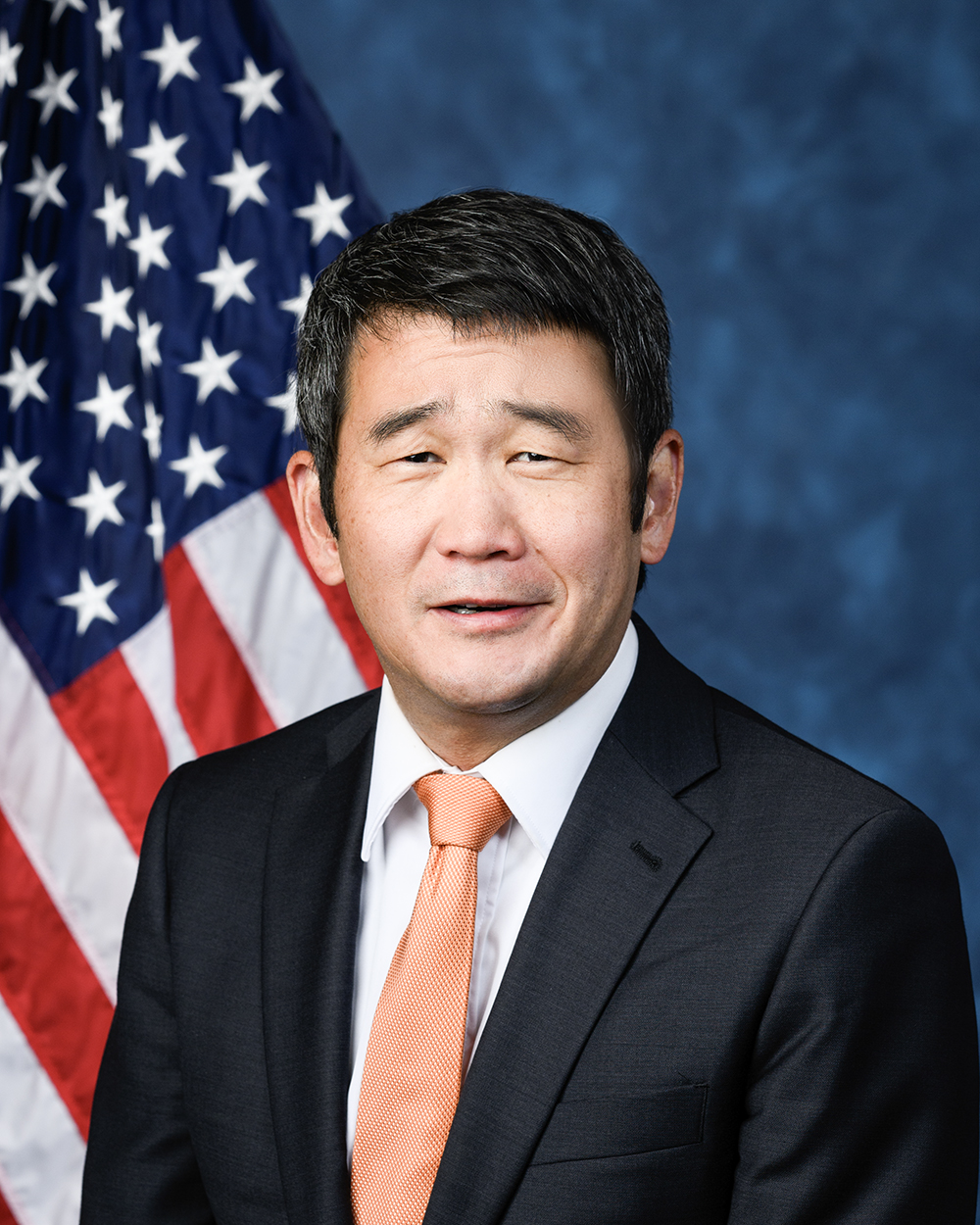
Rep. Dave Min
Sponsored bills
Maddy summaryHR 7265, the Vote by Mail Tracking Act, requires all government entities sending mail-in ballots for federal elections to use a standardized Postal Service barcode on ballot envelopes. This barcode enables tracking of each individual ballot, while also mandating specific envelope designs and machineability standards set by the Postal Service. The bill applies to all mail-in ballots for federal office elections starting in 2026, but excludes Federal write-in absentee ballots under the Uniformed and Overseas Citizens Absentee Voting Act. The Postmaster General must provide compliance guidance to government entities by June each year to implement the tracking system.
Maddy summaryThis bill creates a tax exclusion for certain disaster mitigation payments received by property owners. It allows individuals to exclude from gross income funds paid by state programs (or approved entities) to make improvements that reduce damage from windstorms, earthquakes, or wildfires. The exclusion applies to payments made for specific property upgrades like storm shutters or fire-resistant roofing. The change takes effect for 2021+ tax years and includes a retroactive option for taxpayers to amend prior returns. It directly affects homeowners participating in qualifying state disaster resilience programs.
Weatherization Enhancement and Readiness Act of 2025 This bill reauthorizes through FY2030 and modifies the Weatherization Assistance Program. Under the program, the Department of Energy (DOE) provides grants for low-income households to improve the energy efficiency of their homes. The bill increases the cap on the average assistance provided per home from $6,500 to $12,000. The bill also directs DOE to include in its annual report to Congress a description of the impacts of enhancement and innovation readiness efforts on eligibility for assistance under the program.
Maddy summaryHR 7297, the "ICE and CBP Constitutional Accountability Act," creates a direct legal path for individuals harmed by ICE or CBP officers to sue the U.S. government for constitutional violations. The bill amends the Federal Tort Claims Act to allow lawsuits when officers violate rights like due process, privacy, or free speech - without requiring proof that a government policy caused the harm. Monetary damages would come from specific federal appropriations, and the government waives its usual immunity from such lawsuits. This directly affects people subjected to unlawful immigration enforcement actions by these agencies. The bill does not change agency operations but provides a new civil remedy for victims.
Maddy summaryHJRES 144 is a congressional disapproval resolution targeting a specific rule issued by the Department of Veterans Affairs (VA) on December 31, 2025, which addressed "Reproductive Health Services" (90 Fed. Reg. 61310). This resolution directs Congress to disapprove the VA rule under Chapter 8 of Title 5, U.S. Code, meaning the rule would have no legal effect if passed. The bill directly affects the VA's implementation of reproductive health services for veterans, as it seeks to nullify the agency's existing policy. This is a procedural measure, not a substantive policy change, aimed solely at blocking the VA's rule through congressional action.
Maddy summaryHR 7246 establishes two new bodies within the Financial Stability Oversight Council to address climate-related financial risks. It creates a Climate Financial Risk Committee to coordinate agency efforts and an Advisory Committee with 30 members (including climate scientists, financial experts, and consumer advocates, but excluding oil/gas industry representatives) to provide input. The bill requires annual reports assessing climate risks to financial stability, updates to banking supervisory guidance for institutions over $50 billion in assets, and detailed data collection on homeowners insurance underwriting by zip code. These provisions directly affect federal financial regulators (like the Fed, SEC, and FDIC), banks, insurers, and the broader financial system by mandating structured analysis of climate risks.
Maddy summaryHCONRES 68 would require the President to remove U.S. military forces from Venezuela unless Congress has explicitly authorized their use through a declaration of war or a specific law. This applies to any U.S. Armed Forces currently stationed in Venezuela without such authorization. The resolution is based on the War Powers Resolution, which mandates congressional oversight of military deployments. It directs the immediate withdrawal of unapproved forces without adding new time limits or conditions.
Maddy summaryHR 4105, the VET Act of 2025, establishes a federal grant program to help veterans, active-duty service members transitioning out of the military, and their spouses secure jobs in the energy industry. The program provides grants to energy companies (including manufacturers of solar, wind, or nuclear equipment) to cover costs like job training, recruitment, and relocation for eligible individuals - prioritizing those with military energy experience, in opportunity zones, or facing barriers like homelessness. Grants are capped at $10,000 per hire, with a maximum $500,000 annual limit per company, funded at $60 million yearly from 2026-2031. Companies must report on job retention, employee satisfaction, and program outcomes to the Department of Labor, with a final evaluation due to Congress by 2030.
Maddy summaryHR 6649, the Fit Vets Act, establishes a 3-year pilot program allowing eligible veterans enrolled in VA healthcare to access senior fitness programs like SilverSneakers. It directly affects veterans meeting VA enrollment criteria under 38 U.S.C. §1705 who qualify for the program. The VA will provide this fitness access as part of healthcare services, with the program running nationally or regionally at the VA's discretion. After the pilot, the VA must report participation rates, costs, health outcome analysis, and recommendations on making the program permanent.