Maddy summaryThis bill, known as the Tax Relief for Renters Act of 2026, would allow renters to deduct a portion of their rent payments from their federal income tax. The deduction would be limited to $4,000 per year for individuals who lease their primary residence, with the amount subject to inflation adjustments starting in 2028. Eligibility is restricted by income thresholds, with higher limits for joint filers and lower limits for single filers and married couples filing separately. The provision would apply to tax years beginning after December 31, 2026, and would be available to taxpayers who do not itemize deductions as well as those who do.
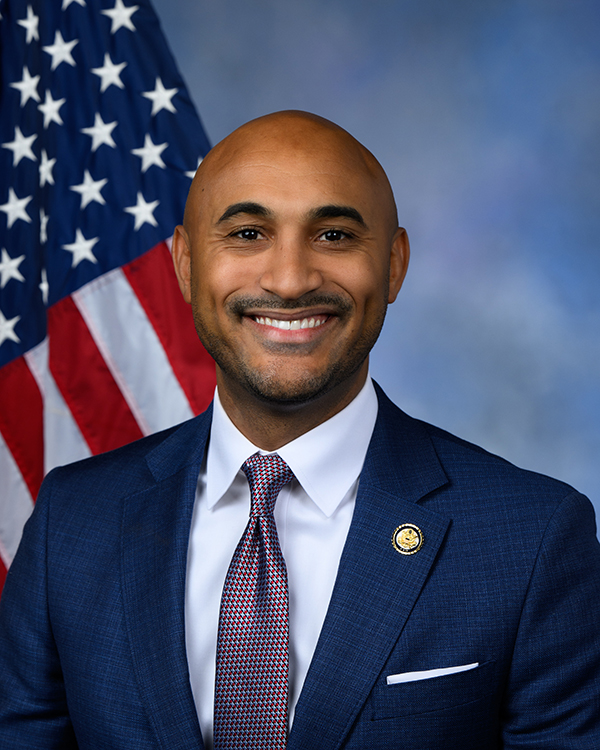
Rep. Shomari Figures
Sponsored bills
Maddy summaryHRES 1086 is a symbolic resolution recognizing the Clotilda as the last known ship to illegally bring enslaved Africans to the U.S. in 1860 (carrying 110 people) and condemning the U.S. government's historical role in enabling the transatlantic slave trade. It acknowledges the lasting harm of slavery on African Americans, specifically honoring the descendants who established Africatown in Alabama and maintaining cultural heritage. The resolution urges support for preserving Africatown and encourages the Architect of the Capitol to consider a memorial on Capitol grounds for the Clotilda and all victims of the slave trade. As a non-binding resolution, it has no policy or funding impact.
Maddy summaryThis resolution (HRES 1088) is a non-binding House of Representatives measure recognizing the importance of Black history museums and cultural institutions. It formally acknowledges their role in preserving Black American history and contributions, particularly in relation to the 2026 100th anniversary of Black History Month and the U.S. 250th anniversary. The resolution urges the House to affirm that Black history is foundational to American history and calls for federal agencies to support these institutions through funding and partnerships. It also encourages the public to visit these museums, support them financially, and engage with their educational resources. The resolution does not create new laws or allocate funding, but serves as a symbolic endorsement of these institutions' cultural and historical significance.
Maddy summaryHR 7740, the African American History Act of 2026, authorizes $4 million annually for the National Museum of African American History and Culture to develop educational resources and support teaching about African American history. The bill directs the museum to create digital and print materials, provide teacher training, and expand access to curriculum resources for K-12 and college classrooms. It requires annual reports to Congress on fund usage and expires in 2030. This program directly affects educators and students by enhancing classroom materials and professional development on African American history.
Maddy summaryThis bill, known as the Promoting Innovation in Blockchain Development Act, modifies federal law to include digital assets like cryptocurrencies within the existing legal framework for money laundering. It directly affects individuals and organizations involved in blockchain technology by expanding the definition of what constitutes currency under the Racketeer Influenced and Corrupt Organizations Act. The key provision adds language recognizing that digital value substitutes for traditional currency, ensuring these assets are covered by current anti-money laundering regulations. This change aims to clarify legal protections and compliance requirements for the growing blockchain industry without altering other parts of the law.
Maddy summaryHRES 1080 is a symbolic resolution recognizing and celebrating Black History Month 2026, focusing on its theme "A Century of Black History Commemorations." It highlights historical figures and events central to Black history, including Carter G. Woodson’s founding of Negro History Week (the precursor to Black History Month), Juneteenth, and key moments like the 1865 Charleston commemoration. The resolution emphasizes how Black history commemorations counter historical erasure and affirm Black contributions to U.S. history, referencing figures like Mary McLeod Bethune and W.E.B. Du Bois. As a ceremonial resolution, it has no binding effect but aims to raise awareness of Black achievements through official recognition.
Maddy summaryThis bill, known as the Tariff Free Farming Act, prevents the U.S. government from adding new tariffs on specific farm supplies coming from countries with which the U.S. maintains normal trade relations. It directly affects American farmers and agricultural businesses by capping tariff rates on essential items like seeds, fertilizers, crop protection chemicals, livestock feed, fuel, farm machinery, and building materials at the levels in effect as of January 19, 2025. The legislation applies to all countries that have received normal trade relations status from the United States, ensuring these agricultural inputs are not subject to additional duties beyond the established rates.
End Veteran Homelessness Act of 2025 This bill requires the Department of Veterans Affairs (VA) to furnish case management to certain veterans who are eligible for the HUD-Veterans Affairs Supportive Housing (HUD-VASH) program administered by the Department of Housing and Urban Development (HUD) and the VA. Specifically, the VA must furnish case management to veterans who are eligible for HUD-VASH that the VA determines require case management. The VA must prioritize vulnerable homeless veterans in assigning case managers and providing services. The VA must take certain actions if a veteran refuses case management. HUD or a public housing authority may not revoke assistance solely on the basis that a veteran has refused case management. Additionally, a veteran may not be evicted or penalized by the owner of a property solely on the basis that they have refused case management or cannot be provided case management for health and safety reasons. The Government Accountability Office must report to Congress on veterans who are served by the HUD-VASH program, case managers and case management services provided under the program, and metrics about housing stability for veterans participating in federal housing assistance programs. The bill also provides statutory authority to expand eligibility for the HUD-VASH program to any veteran who is homeless, at risk of homelessness, or receiving assistance under another housing assistance program if the VA determines a voucher under HUD-VASH is more appropriate. (Currently, assistance is statutorily limited to certain veterans who have chronic mental illness or substance use disorders.)
Maddy summaryThis bill authorizes a Congressional Gold Medal to honor the Freedom House Ambulance Service, which pioneered the first paramedic-based emergency medical system in the U.S. in the 1960s. It recognizes the service's role in establishing professional pre-hospital care standards, training marginalized residents (including the first women paramedics), and influencing national EMS protocols despite being defunded in 1975. The medal will be presented to the National Museum of African American History and Culture for public display, as specified in the bill. The legislation is purely commemorative, with no new policy or funding changes, focusing on preserving the service's historical significance in medical innovation and civil rights.
Maddy summaryThe Safe Skies Act of 2026 requires the Transportation Secretary to extend existing flightcrew rest and duty rules - currently applied to passenger flights - to all-cargo air carrier operations within 30 days of the bill's enactment. This directly affects flight crews and cargo airlines, ensuring they follow the same rest and duty time limits as those serving passengers. The bill modifies a 2012 FAA rule (77 Fed. Reg. 330) to apply universally, bypassing standard rulemaking procedures (5 U.S.C. § 553) for this specific adjustment. It makes no new policy changes beyond applying current passenger flight rules to cargo operations.