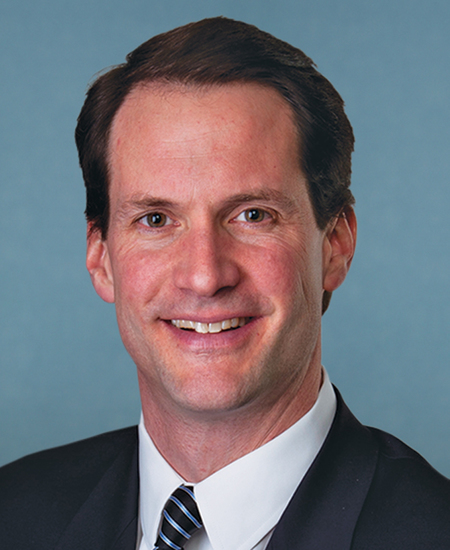
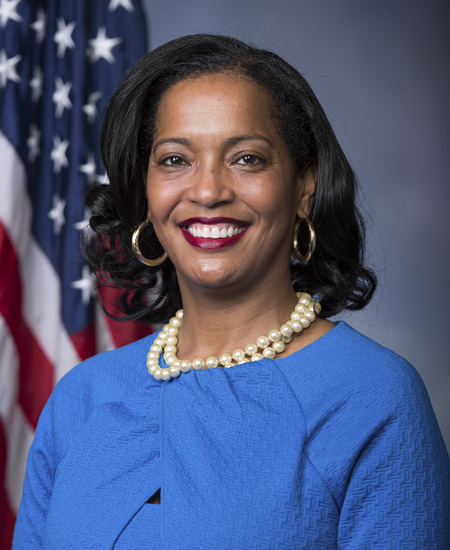
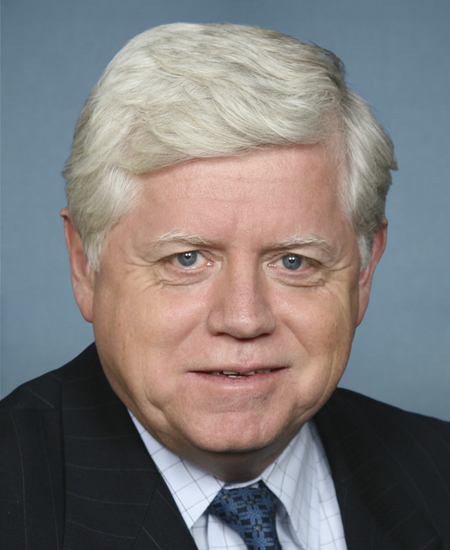
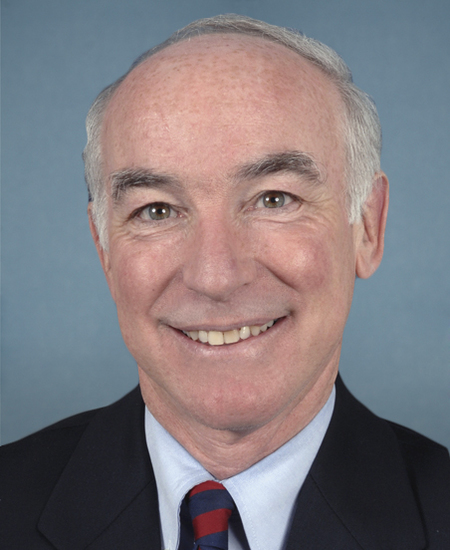
The Green New Deal for Public Housing Act directs federal funds to public housing agencies and tribal entities to rehabilitate, modernize, and electrify the nation's public housing stock into zero-carbon homes within ten years. The bill establishes grant programs that require recipients to conduct deep energy retrofits, install renewable energy systems, upgrade water quality infrastructure, and provide high-speed internet access to residents. In exchange for these funds, agencies must commit to maintaining their total number of housing units, ensuring displaced residents can return to their original projects, and adhering to strict labor standards that prioritize hiring low-income individuals and supporting resident-owned businesses. Additionally, the legislation strengthens tenant participation by mandating the formation of elected resident councils in larger developments and providing stipends for volunteer officers who help manage community operations.
This bill, titled the No TSA Data for ICE Act, prohibits the Transportation Security Administration from sharing passenger data with U.S. Customs and Border Protection or U.S. Immigration and Customs Enforcement. It specifically bars these agencies from using TSA information or data from private brokers to perform immigration enforcement functions. Additionally, the legislation prevents the denial, suspension, or early termination of Trusted Traveler programs like PreCheck and Global Entry if an individual's participation in First Amendment-protected activities is the reason. The law defines the restricted data as personally identifiable information about flight passengers obtained from the TSA or private sector entities.
The National Quantum Readiness Act of 2026 directs federal agencies to advance quantum technology development and secure domestic supply chains. It requires the Department of Defense to select three next-generation quantum sensor projects for deployment by 2028. Additionally, multiple agencies must create a plan to partner with the private sector on developing quantum components and address market barriers. The bill also mandates steps to improve access to domestic foundry resources and strengthen the supply chain for quantum information science.
The UNLOCK AUKUS Act modifies existing export control rules to allow the transfer of specific defense articles and services under the AUKUS partnership. By amending the Arms Export Control Act, the bill removes certain restrictions that previously limited what can be shared between partner nations. This change directly affects the U.S. government's ability to share advanced military technology with allies in the AUKUS alliance. The legislation aims to facilitate collaboration without altering the core legal framework governing defense exports.
The Stop CHEATERS Act directs the Internal Revenue Service to increase its enforcement efforts against high-income individuals and large corporations by allocating billions of dollars in additional funding for tax audits, criminal investigations, and taxpayer services through fiscal year 2031. A significant portion of this funding is designated for modernizing the IRS's technology and business systems to improve its ability to detect fraud and noncompliance. The legislation also requires the IRS Commissioner to submit regular reports to Congress detailing plans to shift auditing resources toward wealthy taxpayers and analyzing how much unpaid tax is owed by different income groups.
The Judicial FOIA Expansion Act requires federal courts to release specific records to the public under the Freedom of Information Act. This law mandates the disclosure of attorney disciplinary actions, complaints against judges, meeting minutes, jury selection forms, and performance reports, while explicitly excluding information about ongoing cases. The bill also directs courts to provide this data in machine-readable formats and authorizes $10 million in funding to establish an office within the Administrative Office of the United States Courts to manage these requirements.
Sub-Topics
Courts
Tags
Government Transparency
The Home Internet Accessibility Act requires the Comptroller General to produce a detailed report within a year on which federally assisted housing units currently have or lack the infrastructure to support high-speed internet. This report will analyze specific challenges, costs, and timelines for upgrading these properties, broken down by location and demographic data, while also reviewing past retrofitting efforts and pilot programs. Following this analysis, the Department of Housing and Urban Development must create a formal plan to upgrade necessary housing to support broadband service and submit it to Congress within 18 months. The legislation directly affects residents of government-subsidized housing by aiming to ensure their living spaces can accommodate modern internet connectivity.
The Stop Spying Bosses Act establishes new federal rules to limit how employers collect, use, and share employee data, primarily affecting businesses with at least 11 workers and their employees. It prohibits employers from gathering sensitive information such as biometric scans, off-duty activities, or political views unless the data is strictly necessary for specific job functions like ensuring safety or administering benefits. The law requires employers to clearly disclose what data they collect and how it influences decisions about hiring, firing, or promotions, while also granting workers the right to access and correct their own records. To enforce these standards, the bill creates a new Worker Protection and Technology Division within the Department of Labor, which will investigate violations and provide whistleblower protections against retaliation. Additionally, the legislation invalidates pre-dispute arbitration agreements that would stop workers from joining class-action lawsuits regarding privacy violations.
The Protecting Student Privacy Act prevents federal student aid data from being shared with immigration enforcement agencies for the purpose of enforcing immigration laws. This rule applies to information held by the Department of Education regarding students and their financial contributors, such as parents or spouses, and blocks its use for arrests, interviews, or surveillance by the Department of Homeland Security and other authorized entities. The law includes specific exceptions for court orders related to criminal offenses and for cases where a student or contributor voluntarily and without pressure consents to sharing their information. Additionally, the bill requires the Secretary of Education to report any unauthorized disclosures to Congress and states that this new rule overrides any conflicting state or local laws.
The NO FAKES Act of 2026 establishes a new property right for individuals to control the creation and use of their digital voice and visual likeness replicas, extending protection to both living people and their heirs for up to 70 years after death. The bill requires companies and platforms that distribute these digital replicas or sell tools to create them to obtain explicit authorization from the right holder, while also setting up a notification system for online services to remove unauthorized content. Additionally, the law preempts existing state laws regarding digital likeness rights and includes specific penalties and safe harbor protections for platforms that comply with the new requirements.