Issue · Budget & Taxes

Budget & Taxes

Every budget & taxes bill, vote, and legislator stance in Connecticut, automatically classified by Maddy, our AI policy reader.

Total bills
366
2026 Regular Session
Top supporter
Eilish Collins Main
80% support rate
Top opponent
Cara Pavalock-D'Amato
30% support rate
Ranked legislators
10
5 support · 5 oppose
Key legislators

Who's moving budget & taxes in Connecticut

Legislators moving budget & taxes in Connecticut
Legislator Party Stance Support rate Votes
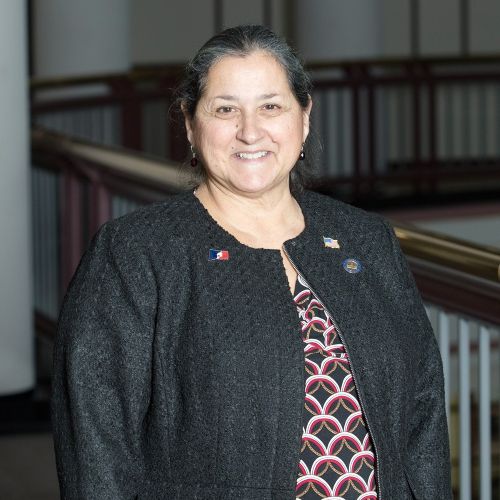
Eilish Collins Main
Eilish Collins Main House · District 146
D
Strong +
80% 21
Jonathan Steinberg
Jonathan Steinberg House · District 136
D
Strong +
80% 25
Maryam Khan
Maryam Khan House · District 5
D
Support
75% 27
Fred Gee
Fred Gee House · District 126
D
Support
73% 26
Raghib Allie-Brennan
Raghib Allie-Brennan House · District 2
D
Support
73% 26
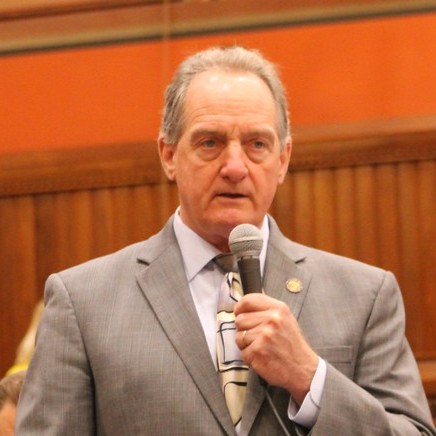
Cara Pavalock-D'Amato
Cara Pavalock-D'Amato House · District 77
R
Oppose
30% 25
Anne Dauphinais
Anne Dauphinais House · District 44
R
Oppose
31% 28
Donna Veach
Donna Veach House · District 30
R
Oppose
31% 28
John Piscopo
John Piscopo House · District 76
R
Oppose
31% 28
Mark DeCaprio
Mark DeCaprio House · District 48
R
Oppose
31% 28
Showing 251–260 of 366 bills

All budget & taxes bills

in committee · Connecticut · Senate Feb 11, 2026

SB 187: AN ACT CONCERNING THE DISTRIBUTION OF THE SALES AND USE TAXES IMPOSED ON MEALS SOLD BY AN EATING ESTABLISHMENT, CATERER OR GROCERY STORE.

SB 187 redirects the additional 1% sales tax collected on meals sold by restaurants, caterers, and grocery stores to the specific local municipalities where the tax was paid. This changes the current system by ensuring the tax revenue stays in the community where the sale occurred, rather than going to the state. The bill directly affects local governments, providing them with new funding from this tax stream without altering the tax rate or burden on businesses or consumers.
Sub-Topics Revenue Sales Tax
in committee · Connecticut · House Feb 4, 2026

HB 5012: AN ACT ELIMINATING THE QUALIFYING INCOME THRESHOLDS FOR THE PERSONAL INCOME TAX DEDUCTIONS FOR SOCIAL SECURITY BENEFITS.

HB 5012 eliminates income limits that previously restricted who could deduct Social Security benefits from their state personal income tax. It directly affects residents receiving Social Security benefits who file state tax returns, removing the requirement that their income must fall below a certain threshold to qualify for this deduction. The bill amends Section 12-701 of the general statutes to remove these qualifying income thresholds entirely. This change means more Social Security recipients will automatically qualify for the tax deduction regardless of their income level.
Sub-Topics Income Tax
in committee · Connecticut · House Apr 16, 2026

HB 5115: AN ACT ESTABLISHING A PERSONAL INCOME TAX DEDUCTION FOR CERTAIN LOSSES INCURRED AS A RESULT OF CRYPTOCURRENCY INVESTMENT FRAUD OR WIRE FRAUD.

HB 5115 would allow Connecticut taxpayers to deduct losses from cryptocurrency investment fraud or wire fraud on their state income tax returns, effective January 1, 2027. The deduction applies only to losses that are already counted as taxable income under federal tax law. It directly affects Connecticut residents who suffered financial losses due to these specific fraud types and reported the losses on their federal tax returns. The bill adds this deduction to existing state tax provisions, creating a new category for these losses without changing other tax rules.
Sub-Topics Income Tax
in committee · Connecticut · House Feb 11, 2026

HB 5171: AN ACT CONCERNING FUNDING FOR THE CONNECTICUT-GROWN FOR CONNECTICUT KIDS PROGRAM.

This bill allocates $___ from the General Fund to the Connecticut Department of Agriculture for the Connecticut-Grown for Connecticut Kids program during fiscal year 2027. It directly supports local farms and food growers by providing funding for incentives to supply produce to schools and community programs. The key mechanism is a dedicated annual appropriation to sustain the program's operations. This policy change ensures ongoing financial support for connecting Connecticut-grown food with local children's nutrition initiatives.
in committee · Connecticut · Senate Feb 4, 2026

SB 49: AN ACT ELIMINATING THE HIGHWAY USE TAX.

SB 49 eliminates the highway use tax by amending Section 12-493a of the general statutes to remove this tax provision from state law. It directly affects vehicle owners who previously paid this tax as part of registration or road usage fees. The bill’s key mechanism is the deletion of the tax requirement from existing statutes, removing the obligation for taxpayers. This policy change would end the collection of the highway use tax without creating new fees or exemptions. The bill’s purpose statement explicitly states it aims to eliminate the highway use tax entirely.
Sub-Topics Sales Tax
in committee · Connecticut · House Feb 6, 2026

HB 5057: AN ACT ESTABLISHING A PERSONAL INCOME TAX DEDUCTION FOR TIPS OR GRATUITIES.

HB 5057 would allow workers who report tips to their employers to deduct the full amount of those declared tips from their taxable income when filing personal income taxes. This directly affects service industry workers, such as servers and bartenders, who receive tips as part of their earnings. The bill amends tax code to create a specific deduction for "tips or gratuities declared by a taxpayer," reducing the income subject to tax. It applies only to tips already reported to employers, not unreported tips, and does not change how tips are taxed at the employer level.
in committee · Connecticut · Senate Feb 20, 2026

SB 254: AN ACT CONCERNING TAX CREDITS FOR THE CONVERSION OF COMMERCIAL PROPERTIES.

SB 254 creates a tax credit program allowing owners of commercial buildings (like offices, retail spaces, or industrial properties) to receive a credit equal to 10% of eligible conversion costs when transforming those properties into residential developments. To qualify, the conversion must meet standards prioritizing affordable housing creation or preservation, and owners must spend at least $15,000 on eligible construction costs (excluding personal labor, site improvements, or non-construction fees). Before starting work, owners must submit a detailed conversion plan for approval by the Commissioner of Housing, and after completion, they must verify the work to receive the credit, which applies against specific Connecticut state taxes. The program is administered by the Commissioner of Housing, with standards posted online by January 1, 2027.
in committee · Connecticut · Senate Feb 20, 2026

SB 276: AN ACT REQUIRING MUNICIPALITIES TO POST MONTHLY REPORTS CONCERNING REVENUE AND CERTAIN EXPENDITURES.

SB 276 requires all municipalities to publicly post monthly reports on their websites detailing revenue and spending by department. Starting January 2027, municipalities must upload these reports by the 15th of each month, showing budget allocations, actual expenditures, and revenue compared to projections for the prior month. Reports must be available in both PDF and CSV formats and maintained online for three years. This bill directly affects all local governments in the state, aiming to increase transparency in how public funds are used.
Tags Government Transparency Local Government
in committee · Connecticut · House Feb 9, 2026

HB 5072: AN ACT CONCERNING FUNDING FOR VOCATIONAL AGRICULTURAL PROGRAMS IN SCHOOLS.

HB 5072 allocates state funds from the General Fund to support vocational agricultural programs in public schools. It provides $___ for the 2027 fiscal year to help school districts cover costs at regional agricultural science centers. The bill directly affects school districts and regional centers by funding career-focused agricultural education programs. This appropriation aims to assist schools with operational expenses for these vocational training initiatives.
in committee · Connecticut · House Feb 4, 2026

HB 5011: AN ACT ELIMINATING THE HIGHWAY USE TAX.

HB 5011 eliminates the highway use tax by amending Section 12-493a of the general statutes. This bill directly affects drivers who previously paid this tax on vehicle registration or use. The key change removes the tax requirement from state law, resulting in no additional cost for affected drivers under this provision. The bill focuses solely on repealing the tax without altering other vehicle-related fees or requirements.
Sub-Topics Sales Tax
Showing 251 to 260 of 366 bills
Previous 1 25 26 27 37 Next