

Issue · Budget & Taxes
Budget & Taxes
Every budget & taxes bill, vote, and legislator stance in Connecticut, automatically classified by Maddy, our AI policy reader.
Total bills
366
2026 Regular Session
Top supporter
Eilish Collins Main
80% support rate
Top opponent
Cara Pavalock-D'Amato
30% support rate
Ranked legislators
10
5 support · 5 oppose
Key legislators
Who's moving budget & taxes in Connecticut
| Legislator | Party | Stance | Support rate | Votes |
|---|---|---|---|---|

Eilish Collins Main
House · District 146
|
D |
Strong +
|
80% | 21 |

Jonathan Steinberg
House · District 136
|
D |
Strong +
|
80% | 25 |

Maryam Khan
House · District 5
|
D |
Support
|
75% | 27 |

Fred Gee
House · District 126
|
D |
Support
|
73% | 26 |

Raghib Allie-Brennan
House · District 2
|
D |
Support
|
73% | 26 |

Cara Pavalock-D'Amato
House · District 77
|
R |
Oppose
|
30% | 25 |

Anne Dauphinais
House · District 44
|
R |
Oppose
|
31% | 28 |
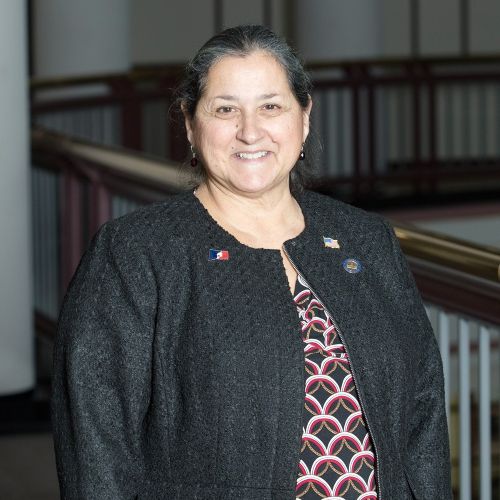
Donna Veach
House · District 30
|
R |
Oppose
|
31% | 28 |
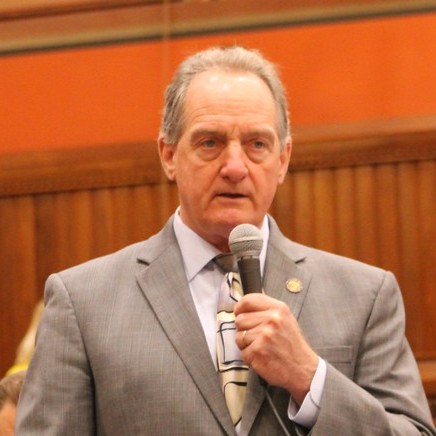
John Piscopo
House · District 76
|
R |
Oppose
|
31% | 28 |

Mark DeCaprio
House · District 48
|
R |
Oppose
|
31% | 28 |
Showing 161–170 of 366
bills
All budget & taxes bills
HB 5005: AN ACT CONCERNING THE SALES PRICE THRESHOLD OF MOTOR VEHICLES SUBJECT TO A HIGHER SALES AND USE TAXES RATE.
Sub-Topics
Sales Tax
HB 5065: AN ACT ESTABLISHING A PERSONAL INCOME TAX DEDUCTION FOR STIPENDS PAID TO VOLUNTEER FIREFIGHTERS AND VOLUNTEER AMBULANCE MEMBERS.
Sub-Topics
Income Tax
SB 108: AN ACT AUTHORIZING BONDS OF THE STATE TO IMPROVE DAMS, CULVERTS, BRIDGES AND WATERWAYS IN THE TOWN OF LEDYARD.
Topics
✓ Budget & TaxesSupports Budget & TaxesAuthorizes $7M in state bonds for public infrastructure maintenance, increasing government spending on essential services per DEEP management.
✓ TransportationSupports TransportationFunds bridge repairs and waterway infrastructure, directly advancing transportation infrastructure maintenance per bill's focus on bridges and waterways in Ledyard.
Sub-Topics
Debt & Bonds
HB 5071: AN ACT CONCERNING FUNDING TO INCREASE MEDICAID RATES FOR PRIVATE PROVIDERS.
Topics
✓ Budget & TaxesSupports Budget & TaxesAppropriates General Fund money to increase Medicaid provider payments, directly funding public healthcare services per budget allocation.
✓ HealthcareSupports HealthcareIncreases Medicaid reimbursement rates for private providers, directly funding healthcare services and improving provider participation in Medicaid programs.
HB 5081: AN ACT ESTABLISHING AN ADDITIONAL MARGINAL RATE FOR THE PERSONAL INCOME TAX AND DEDICATING THE REVENUE GENERATED TO CERTAIN PURPOSES.
Topics
✓ Budget & TaxesSupports Budget & TaxesAdds 4% tax on income >$1M to fund education, childcare, and infrastructure repairs, directly allocating revenue to public services.
✓ EducationSupports EducationBill dedicates new tax revenue exclusively to education and higher education funding, directly increasing state financial support for these areas.
✓ TransportationSupports TransportationBill explicitly dedicates tax revenue to 'repairs for roads, bridges, and public transportation', directly funding transportation infrastructure improvements.
HB 5174: AN ACT CONCERNING FUNDING FOR THE CITY OF NEW LONDON FOR LOSS OF TAXES ON PRIVATE TAX-EXEMPT PROPERTY.
HB 5027: AN ACT AUTHORIZING LEGISLATIVE FRANKING PRIVILEGES FOR DIGITAL ADVERTISING.
HB 5002: AN ACT CONCERNING EDUCATION FUNDING, SPECIAL EDUCATION AND EARLY CHILDHOOD PROGRAMS.
Topics
✓ Budget & TaxesSupports Budget & TaxesBill establishes higher base education funding ($11,525/student) with annual inflation-adjusted increases, directly strengthening state education budget allocation for public schools.
✓ EducationSupports EducationSets base $11,525/student with annual inflation/income adjustments, directly increasing state education funding for all public school districts per bill's funding formula update.
SB 207: AN ACT EXEMPTING OVERTIME INCOME FROM THE PERSONAL INCOME TAX.
Topics
✓ Budget & TaxesSupports Budget & TaxesExempts overtime pay from state income tax, providing direct tax relief for workers earning overtime wages.
✓ Labor & EmploymentSupports Labor & EmploymentExempts overtime pay from state income tax, increasing workers' take-home pay for overtime hours without changing wage rates or benefits.