Maddy summaryThis bill allows veterans with combat-related disabilities and less than 20 years of service to receive both military retired pay and VA disability compensation simultaneously. Previously, such veterans had their retired pay reduced to avoid "concurrent receipt" of both benefits. The bill removes the 20-year service requirement for this group, applying specifically to those retired under Chapter 61 of Title 10 with a combat-related disability as defined in existing law. It does not change eligibility for veterans with non-combat disabilities or those with 20+ years of service.
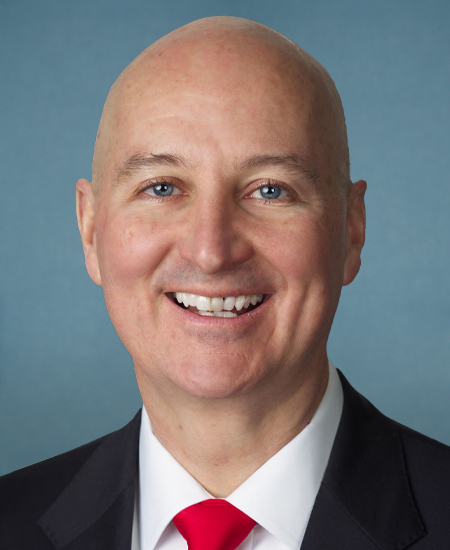
Sen. Pete Ricketts
Sponsored bills
Maddy summaryThis joint resolution seeks congressional disapproval of a Department of Labor rule published in the Federal Register on December 1, 2022 (87 Fed. Reg. 73822), which addressed "Prudence and Loyalty in Selecting Plan Investments and Exercising Shareholder Rights." If enacted, it would block the rule from taking effect, directly affecting retirement plan fiduciaries (such as those managing 401(k) plans) who must follow these standards. The resolution uses a specific disapproval process under Chapter 8 of Title 5, U.S. Code, to nullify the rule without altering its content. This is a procedural action targeting the rule's implementation, not a new policy.
Maddy summaryS 293, the Fair Access to Banking Act, prohibits large financial institutions (with $10 billion+ in assets) from denying banking services to lawful businesses based on political reasons, bias, or industry category. It requires these "covered banks" to justify service denials using documented, objective risk assessments - not subjective political judgments - and to provide written explanations for denials. The bill directly affects businesses operating legally in industries often targeted by banks (like cannabis or firearms), ensuring equal access to services like loans, credit cards, or payment processing. Violations allow affected businesses to sue for treble damages and attorney fees, with payment networks and credit unions also barred from blocking access based on "reputational risk."
Maddy summaryThis bill requires the Department of Homeland Security's Inspector General to regularly investigate and report on how people apprehended at the southwest border are processed. Specifically, it mandates reports every 60 days (until monthly apprehensions drop below 35,000 for three months) detailing vetting, releases, parole decisions, asylum applications, removal proceedings, and monitoring of individuals released without detention. The reports must cover specific data points like the number of people released without tracking devices, those given reporting notices, and where released individuals were resettled. The bill directly affects DHS operations and its oversight, focusing on transparency in border processing procedures rather than changing immigration laws.
Maddy summaryThis Senate resolution (SRES 25) recognizes January 2023 as "National Mentoring Month" to highlight the importance of mentoring relationships for young people. It acknowledges that one in three U.S. youth lacks a mentor outside their home and emphasizes mentoring's role in improving academic success, mental health, career development, and reducing delinquency. The resolution promotes expanding quality mentoring programs nationwide but does not create new laws or allocate funding. It serves as a symbolic gesture to encourage community, school, and workplace efforts supporting youth development through mentoring.
Maddy summaryThe Cattle Price Discovery and Transparency Act of 2023 requires large cattle packers to report detailed information about their cattle purchases and contracts to improve market transparency. The bill establishes mandatory minimums requiring packers to purchase a certain percentage of cattle through transparent pricing mechanisms like negotiated deals, rather than private contracts. Packers must also report daily slaughter schedules and carcass weights more frequently, and create a public library of all cattle purchase contracts. These requirements directly affect major cattle packers and aim to give cattle producers more information about market prices.
Maddy summaryThis bill would allow individuals with valid concealed carry permits from their home state to carry concealed handguns in other states that either permit concealed carry for residents or don't ban it. It requires permit holders to have a government-issued ID, meet federal firearm possession rules, and carry only handguns (excluding machineguns or destructive devices). Carrying would still follow local restrictions in the destination state, such as bans in schools or government buildings. The bill does not change how states issue permits but creates automatic recognition of valid permits across participating states.
Maddy summaryThis bill requires healthcare providers performing abortions to provide the same immediate medical care and hospital admission to any infant born alive during or after the procedure, as they would for any newborn. It mandates reporting of any failure to provide this care to law enforcement and imposes penalties including fines or up to 5 years in prison for violations. Women who undergo abortions may pursue civil lawsuits for damages, including compensation for physical/psychological harm and three times the abortion cost, if providers fail to comply. The law directly affects abortion providers, hospitals, and the women receiving abortion services.
Maddy summaryThe Regulations from the Executive in Need of Scrutiny Act of 2023 would require Congress to approve most major federal regulations before they take effect. Major rules, defined as those with significant economic impact (estimated at $100 million or more annually), would need a joint resolution of approval from both chambers within 70 days. Agencies would be required to submit detailed reports to Congress before rules take effect, including cost-benefit analyses, economic effects, and other relevant information. This would increase congressional oversight of the regulatory process, though it includes exceptions for national security, emergencies, and monetary policy rules.
Maddy summaryS 160, titled "Sarah's Law," amends immigration law to require mandatory detention for non-citizens charged with crimes causing death or serious bodily injury. It specifically applies to individuals who entered without inspection, held revoked visas, or fall under certain immigration categories. The bill also mandates that Immigration and Customs Enforcement (ICE) notify crime victims or their families about the alien's identity, immigration status, custody details, and removal efforts. This policy change directly affects non-citizens facing such charges and ensures victims receive ongoing case information.