Issue · Labor & Employment

Labor & Employment

Every labor & employment bill, vote, and legislator stance in Colorado, automatically classified by Maddy, our AI policy reader.

Total bills
17
119th Congress
Top supporter
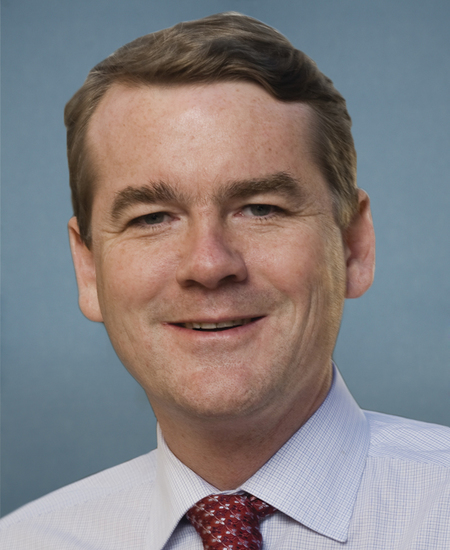
Michael F. Bennet
75% support rate
Top opponent
Jeff Hurd
38% support rate
Ranked legislators
9
5 support · 4 oppose
Key legislators

Who's moving labor & employment in Colorado

Legislators moving labor & employment in Colorado
Legislator Party Stance Support rate Votes
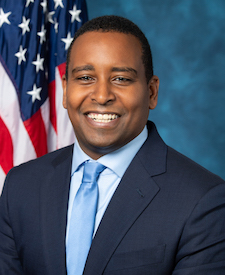
Michael F. Bennet
Michael F. Bennet Senate
D
Support
75% 184
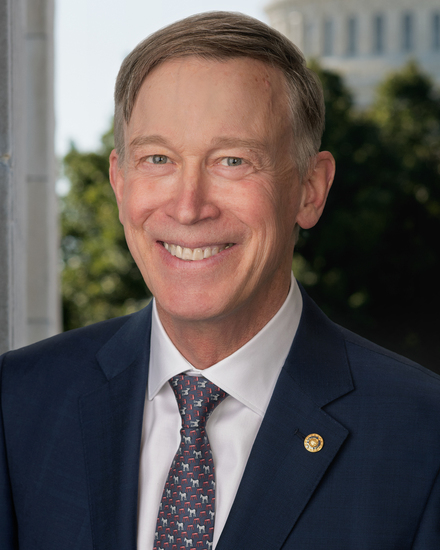
John W. Hickenlooper
John W. Hickenlooper Senate
D
Support
75% 212
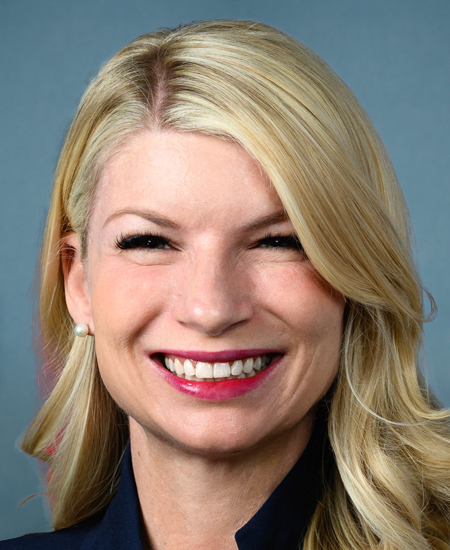
Brittany Pettersen
Brittany Pettersen House · District 7
D
Support
69% 175
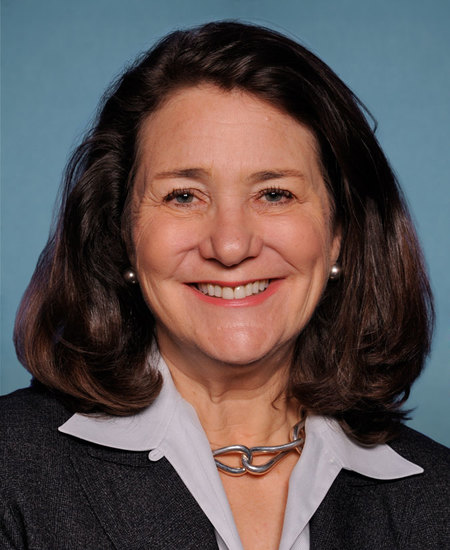
Diana DeGette
Diana DeGette House · District 1
D
Support
62% 195
Joe Neguse
Joe Neguse House · District 2
D
Support
62% 198
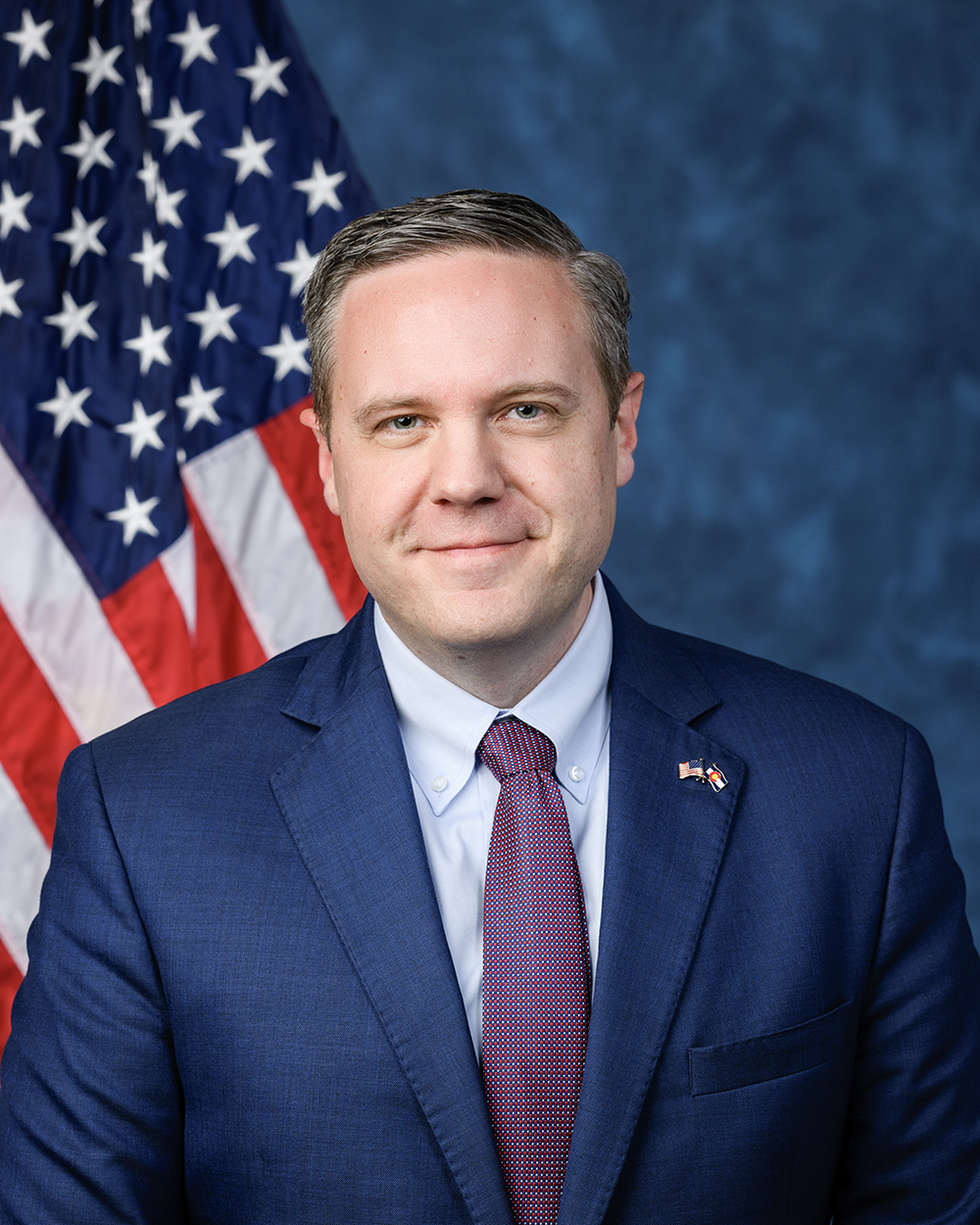
Jeff Hurd
Jeff Hurd House · District 3
R
Oppose
38% 198
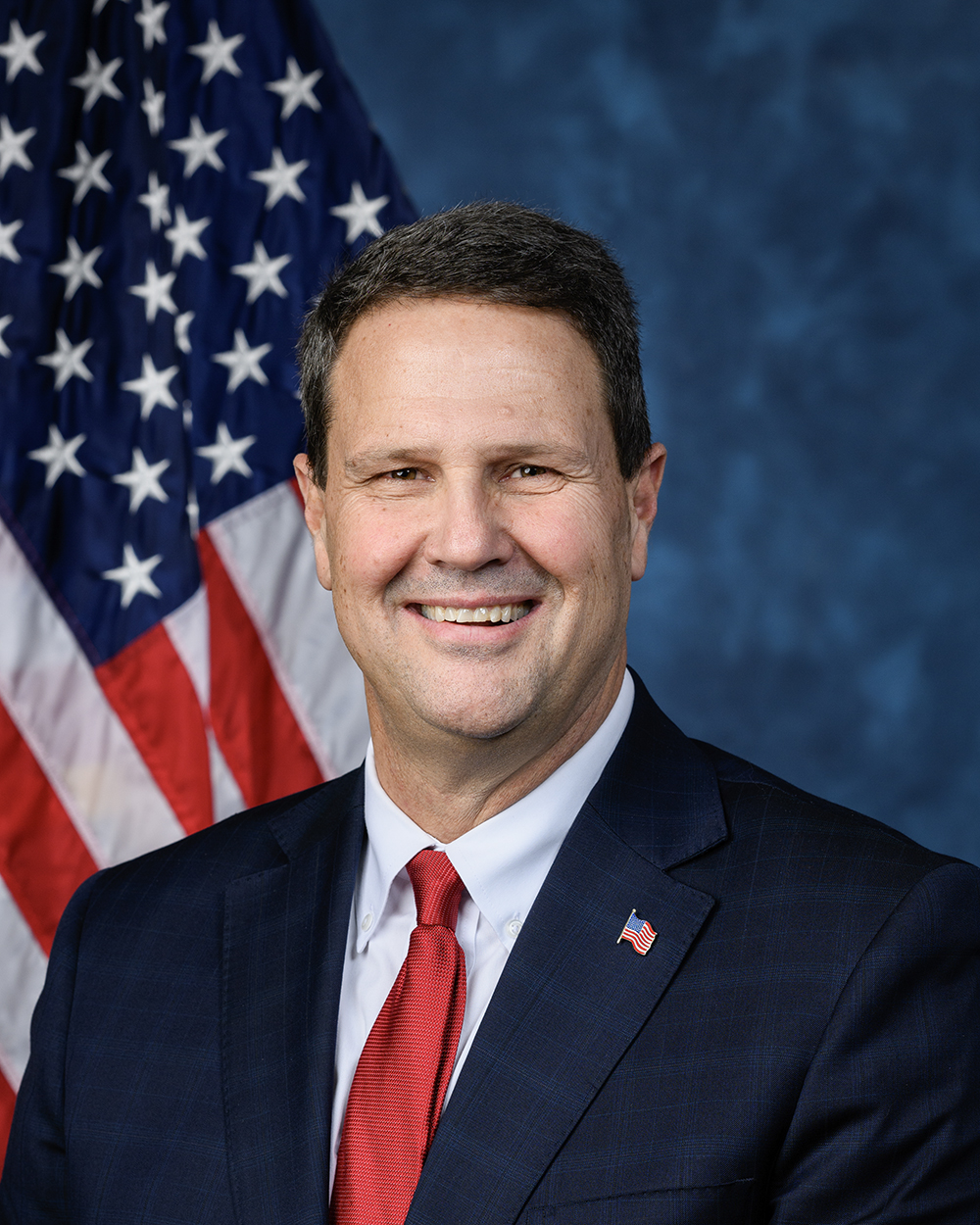
Jeff Crank
Jeff Crank House · District 5
R
Oppose
38% 197
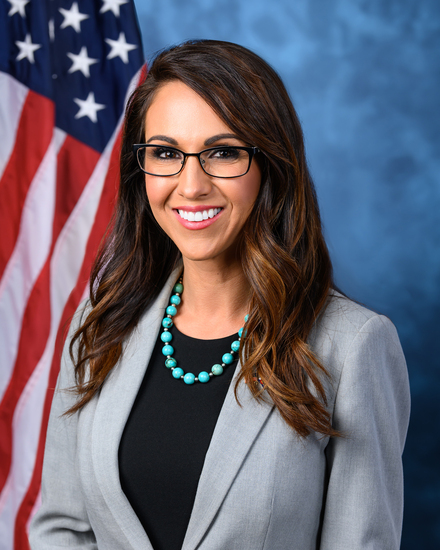
Lauren Boebert
Lauren Boebert House · District 4
R
Mixed −
46% 192
Gabe Evans
Gabe Evans House · District 8
R
Mixed −
46% 198
Showing 1–10 of 17 bills

All labor & employment bills

in committee · United States · House Apr 29, 2026

HR 8587: Safeguarding Honest Speech Act of 2026

The Safeguarding Honest Speech Act of 2026 prohibits federal agencies from using taxpayer money to enforce rules that require employees or contractors to use a person's preferred pronouns if they conflict with that person's biological sex or to use names other than legal names. The bill defines sex strictly based on biological characteristics, such as the reproductive system used for fertilization, to determine these requirements. It also establishes a process where affected workers can file complaints, receive a formal response within 30 days, and sue their agency for violations if the response is unsatisfactory. If a worker wins a lawsuit, the court can order the agency to stop the practice, pay damages up to $100,000, and cover legal fees.
in committee · United States · House Apr 9, 2026

HR 8213: Defending Women in the Workplace Act

This bill amends Title VII of the Civil Rights Act of 1964 to clarify that protections against sex discrimination do not extend to gender identity. It directly affects employers, employees, and individuals involved in workplace discrimination claims by explicitly excluding gender identity from the definition of sex-based discrimination. The key provision is a rule of construction that interprets existing federal law in a specific way, rather than creating new protections or restrictions. This change would limit the scope of federal sex discrimination claims to biological sex rather than including gender identity as a protected category.
in committee · United States · House Feb 6, 2025

HR 1095: Restoring Military Focus Act

HR 1095, the Restoring Military Focus Act, eliminates two specific diversity-related positions within the Department of Defense (DoD): the Chief Diversity Officer (repealing Section 147 of Title 10, U.S. Code) and the Senior Advisor for Diversity and Inclusion (repealing Section 913 of the 2021 defense bill). The bill prohibits using federal funds to create any new position "substantially similar" to these roles. This directly affects DoD leadership and staffing by removing existing diversity-focused roles and preventing their replacement. The key mechanism is a federal funding ban on establishing comparable positions, aiming to refocus DoD resources on military operations.
in committee · United States · House Mar 12, 2026

HR 7925: American Families First Assistance Act

This bill, titled the American Families First Assistance Act, would restrict eligibility for Temporary Assistance for Needy Families (TANF) benefits for most aliens in the United States. It directly affects non-citizen immigrants by removing their ability to receive federal cash assistance for low-income families under the existing welfare program. The key provision amends the Personal Responsibility and Work Opportunity Reconciliation Act of 1996 to disqualify qualified aliens from TANF block grants, with specific exceptions for certain categories of immigrants including nationals of Cuba. This change would limit access to financial support for families with children who are not U.S. citizens or lawful permanent residents.
in committee · United States · House Sep 18, 2025

HR 5474: No DEI in DC Act

The "No DEI in DC Act" (HR 5474) prohibits the District of Columbia government from engaging in what it defines as "prohibited diversity, equity, and inclusion practices." This includes banning DEI training programs, requiring employees to sign statements about race or gender, and maintaining offices focused on diversity issues. The bill abolishes numerous DC offices and commissions related to diversity, such as the Mayor's Office of Racial Equity, Commission on Health Equity, and LGBTQ-focused offices. It also prohibits using District funds for DEI-related activities or maintaining DEI-focused offices, with the law taking effect 90 days after enactment.
in committee · United States · House Mar 25, 2025

HR 2315: Fairness for High-Skilled Americans Act of 2025

Fairness for High-Skilled Americans Act of 2025 This bill eliminates the Optional Practical Training Program or any successor program, unless Congress expressly authorizes such a program. (The program provides an F-1 student visa holder temporary employment authorization before or after completion of the student's studies, or both.)
Sub-Topics Work Authorization
in committee · United States · House Jul 18, 2025

HR 4500: HELP Act

HR 4500, the HELP Act, exempts certain commercial vehicles transporting livestock, insects, or aquatic animals from federal hours-of-service rules and electronic logging device (ELD) requirements. This directly affects livestock haulers who operate covered vehicles, including when driving empty to pick up or return from deliveries. The bill removes two specific regulatory burdens: the mandatory rest periods under 49 U.S.C. § 311 and ELD tracking under 49 U.S.C. § 31137. It applies only to vehicles defined as "covered livestock hauling vehicles" under the law, which includes all commercial livestock transport for commercial purposes. The exemption aims to provide operational flexibility for this specific segment of the transportation industry.
Sub-Topics Freight
in committee · United States · House Jan 7, 2025

HR 236: Federal Employee Return to Work Act

This bill requires federal employees who telework at least one day weekly (or 20% of their time under alternative schedules) to be paid at the "Rest of U.S." locality pay rate without future adjustments. It excludes employees who telework daily, those with disabilities receiving accommodations, Foreign Service members, law enforcement officers, and military personnel on active duty. Covered employees will no longer receive annual pay adjustments under standard federal pay schedules. The policy takes effect at the start of the first full fiscal year after the bill becomes law. It directly affects federal workers meeting the telework threshold, altering their pay structure based on location.
in committee · United States · House Jan 16, 2025

HR 473: SHOW UP Act of 2025

HR 473, the SHOW UP Act of 2025, requires federal executive agencies to return to pre-pandemic telework policies within 30 days of enactment, limiting work-from-home options to those in place on December 31, 2019. Agencies must then conduct a 6-month study analyzing pandemic-era telework impacts - including effects on mission performance, costs from underused office space, and employee productivity tools - and submit a plan to Congress if they seek to expand telework beyond these baseline levels. The plan requires certification from the Office of Personnel Management confirming it will improve mission performance, reduce real estate costs, lower locality pay expenses, and ensure secure remote work capabilities without increasing agency costs. This bill directly affects all federal executive agencies (excluding the Government Accountability Office) and their employees by restricting telework flexibility and imposing strict requirements for any future expansion.
in committee · United States · House Jan 23, 2025

HR 697: End the Deep State Act

HR 697 (the "End the Deep State Act") creates a new "Schedule Policy/Career" for federal positions involving confidential, policy-making, or policy-advocating work that are not typically replaced during presidential transitions. Agencies must review their roles by 2025 to identify such positions for this streamlined hiring process, which bypasses standard competitive exams and reduces civil service protections for these roles. The bill revokes a 2021 executive order protecting federal workforce hiring practices and requires agencies to adjust appointment rules accordingly. This affects thousands of federal employees in policy-focused roles across executive agencies, shifting their classification from competitive hiring to a non-competitive, politically aligned appointment system.
Sub-Topics Public Employees
Showing 1 to 10 of 17 bills
1 2 Next