Issue · Immigration

Immigration (Driver Licenses & IDs)

Every immigration bill, vote, and legislator stance in Colorado, automatically classified by Maddy, our AI policy reader.

Total bills
2
2026 Regular Session
Top supporter
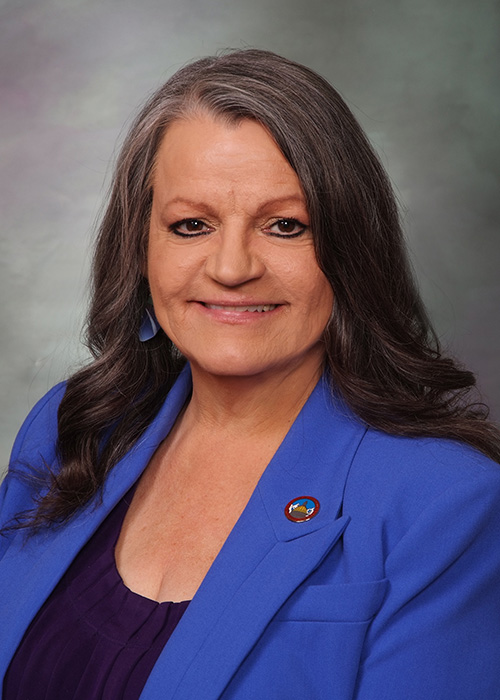
Lorena García
100% support rate
Top opponent
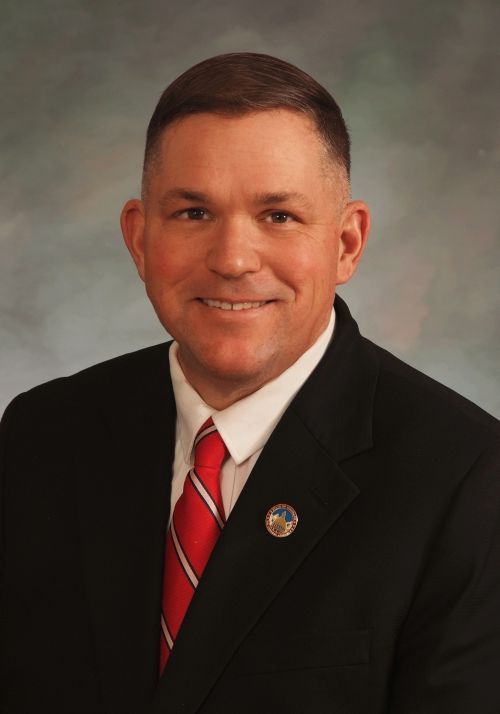
Matt Soper
0% support rate
Ranked legislators
10
5 support · 5 oppose
Key legislators

Who's moving driver licenses & ids in Colorado

Legislators moving driver licenses & ids in Colorado
Legislator Party Stance Support rate Votes
LG
Lorena García House · District 35
D
Strong +
100% 5
Javier Mabrey
Javier Mabrey House · District 1
D
Strong +
82% 11
Sheila Lieder
Sheila Lieder House · District 28
D
Strong +
80% 5
Yara Zokaie
Yara Zokaie House · District 52
D
Support
79% 14
Chad Clifford
Chad Clifford House · District 37
D
Support
75% 12
Matt Soper
Matt Soper House · District 54
R
Strong −
0% 10
Ken DeGraaf
Ken DeGraaf House · District 22
R
Strong −
0% 3
Scott Bottoms
Scott Bottoms House · District 15
R
Strong −
17% 6
Ava Flanell
Ava Flanell House · District 14
R
Oppose
25% 12
Scott Slaugh
Scott Slaugh House · District 64
R
Oppose
27% 11
Showing 2 of 2 bills

All immigration bills

signed · Colorado · House Jun 4, 2026

HB 1276: Protect Safety of Individuals Who Are Immigrants

The act exempts Colorado courts' e-filing system from the requirement that users certify that they will not disclose personal identifying information obtained from the system for federal immigration enforcement.     The act authorizes a public health agency to inspect or examine a facility that houses or detains individuals who are noncitizens for purposes of civil immigration proceedings.     Under current law, the department of public health and environment is authorized to inspect facilities that house or detain individuals who are noncitizens for purposes of civil immigration proceedings. The act expands the inspection authority, including the frequency of inspections and things that are subject to inspection. A facility that refuses to allow the inspection is subject to a civil penalty. The department of public health and environment is authorized to set fees for inspections and deposit the money from the fees in the immigration facility inspection and detention cash fund, which is created in the state treasury.     The act authorizes the department of public health and environment to require facilities that house or detain individuals who are noncitizens for purposes of civil immigration proceedings to comply with requirements, including health and safety standards and reporting requirements. A facility that fails to comply is subject to a civil penalty. The act requires the department of public health and environment to submit an annual report to the attorney general concerning facilities' compliance with these new requirements and make the report publicly available on its website.     The act requires the P.O.S.T. board to establish training standards related to peace officer compliance with current laws concerning civil immigration detainers. P.O.S.T.-certified peace officers must complete the training before December 31, 2027.     The act requires the attorney general to develop and make publicly available a policy regarding current laws concerning the protection of personal identifying information.     The act appropriates $107,283 to the department of public health and environment from the immigration facility inspection and detention cash fund.(Note: This summary applies to this bill as enacted.)
passed both · Colorado · Senate Feb 4, 2026

SJR 6: Coloradans Navigating Complex United States Immigration System

This is a Senate Joint Resolution (SJR), not a bill with binding legal provisions. It expresses Colorado's support for transparency in federal immigration enforcement and reaffirms the civil rights of immigrant residents. The resolution states that Colorado opposes unmarked ICE operations, masked enforcement personnel, and practices that cause fear in communities - citing impacts on schools, healthcare access, and family safety. It does not create new laws or alter existing policies; it is a non-binding statement of legislative position.