Issue · Criminal Justice

Criminal Justice (Sentencing)

Every criminal justice bill, vote, and legislator stance in Colorado, automatically classified by Maddy, our AI policy reader.

Total bills
2
2026 Regular Session
Top supporter
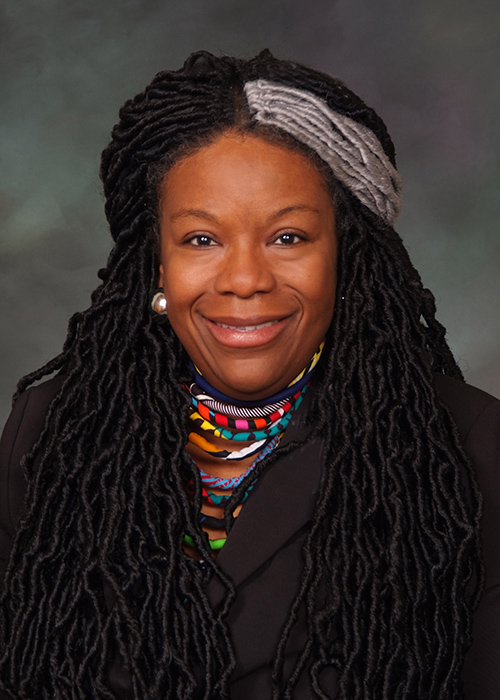
Yara Zokaie
100% support rate
Top opponent
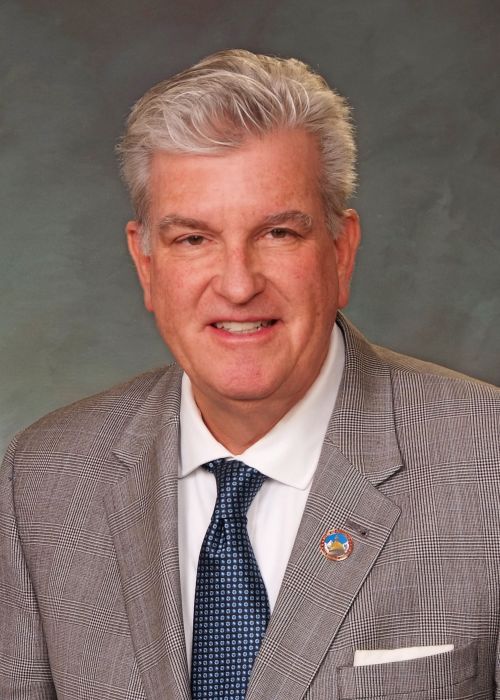
Matt Soper
0% support rate
Ranked legislators
10
5 support · 5 oppose
Key legislators

Who's moving sentencing in Colorado

Legislators moving sentencing in Colorado
Legislator Party Stance Support rate Votes
Yara Zokaie
Yara Zokaie House · District 52
D
Strong +
100% 4
Cecelia Espenoza
Cecelia Espenoza House · District 4
D
Strong +
100% 3
Chad Clifford
Chad Clifford House · District 37
D
Strong +
100% 3
Javier Mabrey
Javier Mabrey House · District 1
D
Strong +
100% 3
Jennifer Bacon
Jennifer Bacon House · District 7
D
Strong +
100% 3
Matt Soper
Matt Soper House · District 54
R
Strong −
0% 4
Ava Flanell
Ava Flanell House · District 14
R
Strong −
0% 3
Rebecca Keltie
Rebecca Keltie House · District 16
R
Strong −
0% 3
Dylan Roberts
Dylan Roberts Senate · District 8
D
Strong −
20% 5
John Carson
John Carson Senate · District 30
R
Strong −
20% 5
Showing 2 of 2 bills

All criminal justice bills

in committee · Colorado · Senate Mar 18, 2026

SB 111: Protections Against Child Rape

Current law permits a court to sentence a sex offender to probation for an indeterminate period that can range from 10 years for a class 4 felony and 20 years for a class 3 felony to a maximum of the sex offender's natural life.The bill prohibits a court from sentencing to probation a sex offender convicted of:Class 4 felony sexual assault on a child;Class 4 felony sexual assault on a child by one in a position of trust; orClass 3 felony sexual assault on a child by one in a position of trust when the child is under 15 years old.(Note: This summary applies to this bill as introduced.)
failed · Colorado · Senate May 14, 2026

SB 75: Trafficking & Commercial Sexual Activity Offenses

The bill removes human trafficking for involuntary servitude and human trafficking for sexual servitude (human trafficking offenses) from the list of crimes of violence that are subject to enhanced sentencing if they involve the use, or possession and threatened use of, a deadly weapon or the infliction of serious bodily injury or death. Instead, the bill requires a court to sentence a person convicted of a human trafficking offense or a related attempt or conspiracy to the department of corrections for a term of at least the midpoint, but not more than twice the maximum, of the presumptive range authorized for the applicable offense. It clarifies that a class 3 felony human trafficking offense is also subject to sentencing modifications that are permitted under current law for crimes that present an extraordinary risk of harm to society.The bill subjects a person convicted of the following to enhanced sentencing:Pimping, if the victim is an at-risk person; andHuman trafficking for involuntary servitude, or human trafficking for sexual servitude, if the victim is an at-risk adult.The bill adds the source of money posted to satisfy a monetary condition of release, including the likelihood that the money is derived from criminal activity, to the list of criteria a court may consider in making a determination of the type of bond and conditions of release.The bill changes terminology related to child prostitution to commercial sexual activity in the crimes of soliciting for child prostitution, pandering of a child, keeping a place of child prostitution, pimping a child, inducement of child prostitution, and patronizing a prostituted child, including changing the name of the offenses for soliciting for child prostitution, keeping a place of child prostitution, inducement of child prostitution, and patronizing a prostituted child.In the crime of soliciting for commercial sexual activity with a child, the bill adds soliciting a child for commercial sexual activity as a means of committing the offense and requires that when arranging or offering to arrange a meeting, the offender must know that the meeting will facilitate commercial sexual activity with a child.(Note: This summary applies to this bill as introduced.)