

Trafficking & Commercial Sexual Activity Offenses
Summary
The bill removes human trafficking for involuntary servitude and human trafficking for sexual servitude (human trafficking offenses) from the list of crimes of violence that are subject to enhanced sentencing if they involve the use, or possession and threatened use of, a deadly weapon or the infliction of serious bodily injury or death. Instead, the bill requires a court to sentence a person convicted of a human trafficking offense or a related attempt or conspiracy to the department of corrections for a term of at least the midpoint, but not more than twice the maximum, of the presumptive range authorized for the applicable offense. It clarifies that a class 3 felony human trafficking offense is also subject to sentencing modifications that are permitted under current law for crimes that present an extraordinary risk of harm to society.The bill subjects a person convicted of the following to enhanced sentencing:Pimping, if the victim is an at-risk person; andHuman trafficking for involuntary servitude, or human trafficking for sexual servitude, if the victim is an at-risk adult.The bill adds the source of money posted to satisfy a monetary condition of release, including the likelihood that the money is derived from criminal activity, to the list of criteria a court may consider in making a determination of the type of bond and conditions of release.The bill changes terminology related to child prostitution to commercial sexual activity in the crimes of soliciting for child prostitution, pandering of a child, keeping a place of child prostitution, pimping a child, inducement of child prostitution, and patronizing a prostituted child, including changing the name of the offenses for soliciting for child prostitution, keeping a place of child prostitution, inducement of child prostitution, and patronizing a prostituted child.In the crime of soliciting for commercial sexual activity with a child, the bill adds soliciting a child for commercial sexual activity as a means of committing the offense and requires that when arranging or offering to arrange a meeting, the offender must know that the meeting will facilitate commercial sexual activity with a child.(Note: This summary applies to this bill as introduced.)
Bill status
failed
1 of 4 stages cleared
Introduction
Jan 2026
Committee Review
Floor Vote
Governor
Introduced Jan 28, 2026
Last action May 14, 2026
Floor votes
How they voted
No floor votes recorded yet.
Full legislative history
Actions timeline
Total actions
4
Key actions
0
Committee
1
Mar 9, 2026
Committee
Senate Committee on Judiciary Refer Amended to Appropriations
upper
Jan 28, 2026
Introduced
Introduced In Senate - Assigned to Judiciary
upper
5 primary · 0 co-sponsors
Sponsors
Role
Legislator
Party
State
District
P

Byron Pelton
RRepublican
P
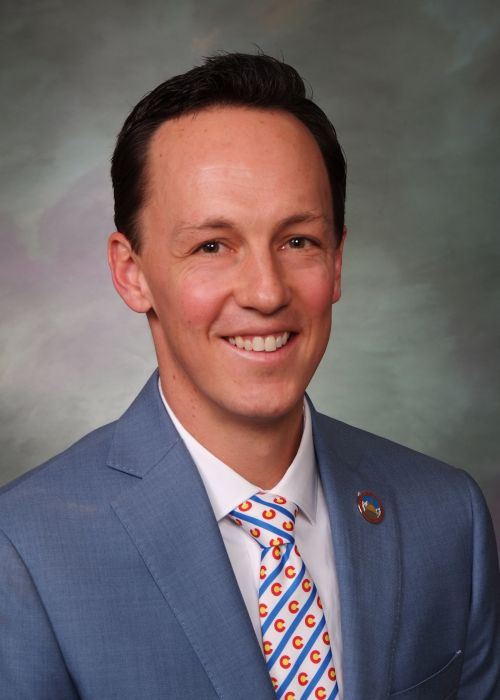
Dylan Roberts
DDemocratic
P
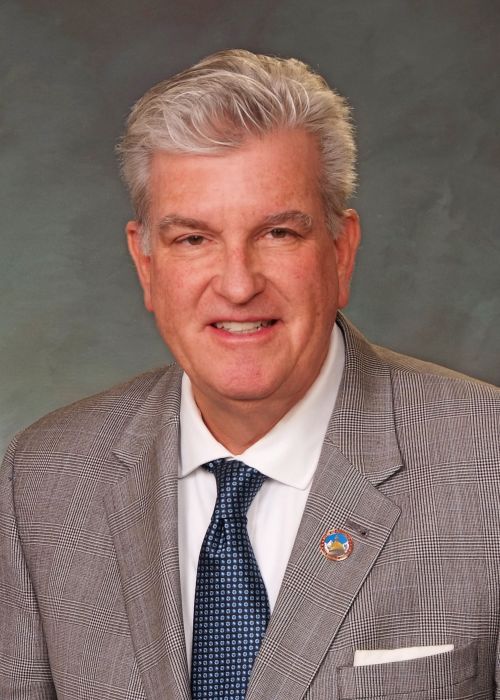
John Carson
RRepublican
P
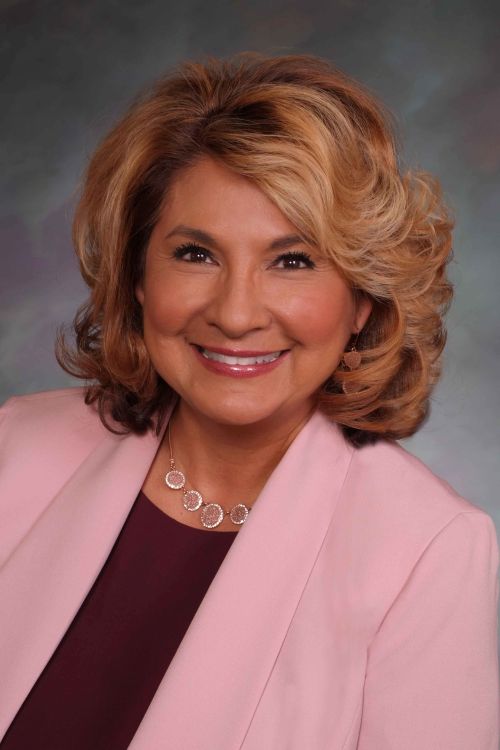
Monica Duran
DDemocratic
P
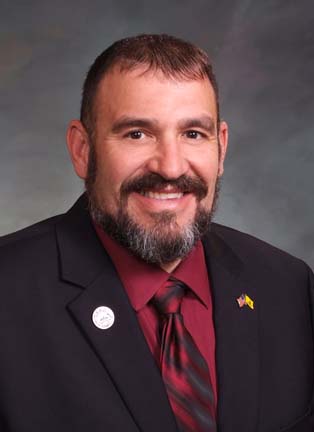
Ty Winter
RRepublican
Ask Maddy
·
AI policy assistant
Ask Maddy about SB 75
Scope: CO
Hi! I can help you understand SB 75. What would you like to know?
Try one of these
i
Maddy answers using official bill text and legislative records. Always verify before sharing.
Sources cited inline