Maddy summaryThis bill (S 3141, the SAFE Act) prohibits federal Executive agencies from initiating or carrying out layoffs or staff reductions during a government funding gap (shutdown). It directly affects federal employees and agencies by banning actions like reduction-in-force (RIF) proposals, notices, or implementations when appropriations lapse. The law requires any such prohibited action taken after September 30, 2025, to be nullified, with no effect. It explicitly excludes voluntary separation programs under existing law and applies retroactively from the specified date.
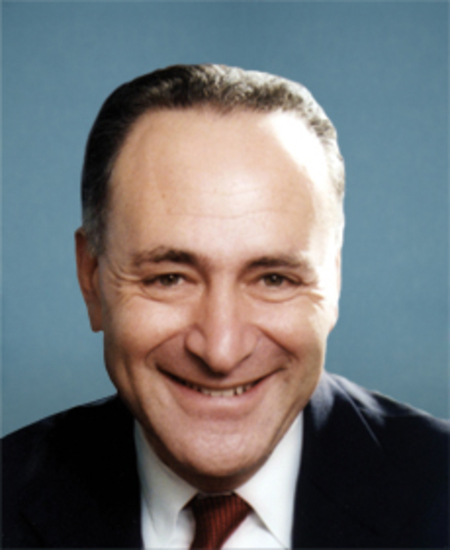
Sen. Charles E. Schumer
Sponsored bills
Maddy summarySRES 481 is a non-binding Senate resolution urging the Trump administration to use the USDA’s existing $4.5 billion contingency funds and interchange authority to fund the Supplemental Nutrition Assistance Program (SNAP) for November 2025. The resolution states that SNAP is an entitlement program requiring government funding, and the USDA legally has the authority to draw from these reserves to avoid benefit disruptions. This would directly support the 42 million Americans who rely on SNAP, including 16 million children, 8 million seniors, 4 million people with disabilities, and 1.2 million veterans. The resolution does not change the law but calls for immediate action to maintain food assistance during a potential funding gap.
This joint resolution terminates the national emergency declared by President Donald J. Trump on April 2, 2025, which imposed a 10% tariff on most imports to the United States and additional duties on specified trading partners.
Maddy summaryThis bill (SJRES 81) terminates a national emergency declared by the President on July 30, 2025, which authorized additional duties on goods imported from Brazil. It directly affects importers of Brazilian products by ending the emergency authority that allowed these extra tariffs to be imposed. The resolution formally ends the emergency status under the National Emergencies Act, removing the legal basis for the duties. The bill does not change existing tariff rates but stops the emergency designation that enabled them.
Maddy summaryThis joint resolution terminates a national emergency declared by the President on February 1, 2025, which authorized the imposition of import duties on goods from Canada. It directly affects Canadian importers and businesses exporting goods to the U.S. that were subject to these duties under the emergency authority. The bill formally ends the emergency declaration under the National Emergencies Act, removing the legal basis for the duties but not automatically eliminating the duties themselves. This is a procedural action to revoke the emergency status, not a change to trade policy.
Maddy summaryThis resolution authorizes former Senate staff member Ian Madigan and other relevant former employees of Senator Robert P. Casey, Jr.'s office to provide testimony and documents in the federal case *United States v. Kaminski* (No. 3:25-cr-199). It specifically permits the Senate Legal Counsel to represent these former employees during this process, ensuring compliance with Senate privileges and ethics rules. The resolution addresses a subpoena request for evidence related to the employees' official duties without violating Senate protections.
Maddy summaryThe Social Security Emergency Inflation Relief Act (S 3078) would provide an additional $200 monthly payment to Social Security beneficiaries, Supplemental Security Income (SSI) recipients, railroad retirement beneficiaries, and veterans receiving disability compensation or pension payments during the six-month period from January 1 to June 30, 2026. These payments would be delivered automatically through existing benefit channels and would not count as income for tax purposes or affect eligibility for other government assistance programs. The bill allocates $11 million for Treasury administrative costs and $83 million for the Social Security Administration to manage the payments, with funding covering the entire implementation period. This temporary measure aims to provide direct financial relief to vulnerable groups during a specified inflationary period.
Maddy summaryS 3090, the No Nuclear Testing Act of 2025, prohibits using federal funds for any explosive nuclear weapons test that produces a yield (actual detonation). It blocks funding for fiscal year 2026 and any available pre-2026 funds, preventing agencies from conducting or preparing for such tests. The bill explicitly allows nuclear stockpile stewardship activities that comply with the existing zero-yield standard. This directly affects U.S. defense agencies and programs seeking to conduct nuclear explosive tests using federal appropriations.
Maddy summaryThis bill provides temporary funding for military pay and certain civilian employee salaries during fiscal year 2026 if Congress hasn’t passed regular appropriations. It covers all active-duty military members, reserve personnel on active duty or training, and civilian employees of the Defense Department, Coast Guard, intelligence community (including the CIA and National Intelligence Director’s office). The funding remains available until either regular appropriations are enacted, the Intelligence Authorization Act passes, or September 30, 2026. It does not change existing pay policies but ensures continuous payment during budget gaps.
Maddy summaryThis bill ensures uninterrupted access to SNAP (food stamps) and WIC benefits during government funding gaps in fiscal year 2026. It authorizes the Treasury to provide emergency funds if Congress fails to pass full-year appropriations for the Department of Agriculture by September 30, 2025, covering all missed benefits retroactively from September 30, 2025. State agencies administering these programs would be reimbursed for costs incurred during the funding lapse. The funding automatically terminates once Congress passes 2026 appropriations or by September 30, 2026.