

Existing law, the legislative code of ethics, prohibits Members of the Legislature from entering into, or requesting that another party enter into, a nondisclosure agreement relating to the drafting, negotiation, or discussion of proposed legislation. Existing law also makes any nondisclosure agreement relating to the drafting, negotiation, or discussion of proposed legislation entered into after January 1, 2026, void and unenforceable. Existing law provides an exception for nondisclosure agreements, or portions thereof, that prevent only the disclosure of trade secrets, financial information, or proprietary information, as specified. This bill would prohibit a local agency official, as defined, acting in their official capacity from entering into, or requesting that another individual enter into, a nondisclosure agreement relating to public business that precludes their ability to share information with fellow local agency officials serving on the same council, board, commission, district, or agency. The bill would require a local agency official in violation of that provision to, among other things, disclose the existence of the nondisclosure agreement, as specified, and would provide that these requirements imposed on a local agency official also apply to a local agency official acting in their official capacity who entered into, or requested that another individual enter into, a nondisclosure agreement described above before January 1, 2027. By imposing additional duties on local agency officials, the bill would impose a state-mandated local program. The bill would also make any nondisclosure agreement relating to public business that precludes the ability of a local agency official to share information with fellow local agency officials serving on the same council, board, commission, district, or agency and that is entered into after January 1, 2027, void and unenforceable. The bill would prohibit an employee of a local agency or a local agency official acting in their official capacity from entering into, or requesting that another individual enter into, a nondisclosure agreement relating to public business that precludes their ability to share information with the local agency official who they serve or the governing body of the local agency that employs them. The bill would also make any nondisclosure agreement relating to public business that precludes the ability of a local agency official acting in their official capacity to share information with the local agency official who they serve under or the governing body of the local agency that employs them, and that is entered into after January 1, 2027, void and unenforceable. The bill would provide that it does not apply in specified circumstances. The bill would require a local agency official in violation of a prescribed provision to, among other things, disclose the existence of the nondisclosure agreement, as specified, and would provide that these requirements imposed on a local agency official also apply to a local agency official acting in their official capacity who entered into, or requested that another individual enter into, a nondisclosure agreement described above before January 1, 2027. The California Constitution requires the state to reimburse local agencies and school districts for certain costs mandated by the state. Statutory provisions establish procedures for making that reimbursement. This bill would provide that, if the Commission on State Mandates determines that the bill contains costs mandated by the state, reimbursement for those costs shall be made pursuant to the statutory provisions noted above.
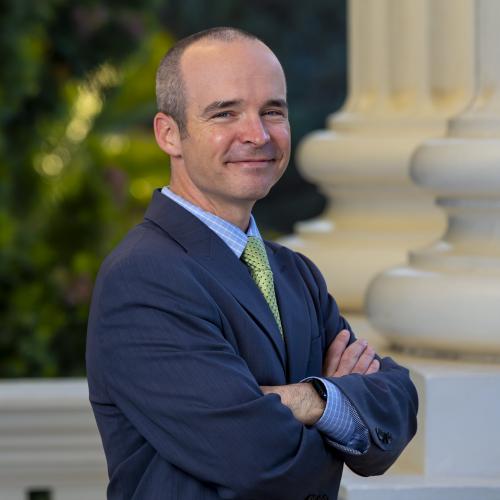
Rep. Joe Patterson
Sponsored bills
Maddy summaryCalifornia Assembly Resolution 137 formally recognizes the Diwali festival scheduled for November 8, 2026, and encourages state residents to participate in the celebration. The resolution highlights the cultural significance of the holiday for Indian Americans and South Asian communities, noting its themes of unity, joy, and the triumph of light over darkness. It also acknowledges that California previously designated Diwali as an official state holiday in 2025. This measure serves as a commemorative statement rather than a law with new regulatory or financial provisions.
This measure would recognize August 26, 2026, as Women's Equality Day and its historic importance to women's rights, including the battle to attain those rights in the past, present, and future.
Maddy summaryThis bill designates 2026 as the International Year of the Woman Farmer to acknowledge the vital contributions of women in agriculture. It functions as a formal proclamation rather than a law that changes regulations or allocates funding. The measure directly affects the state by officially recognizing the importance of female agricultural workers during that year.
Maddy summaryThis bill designates June 2026 as Electronic Dance Music Month to recognize the genre's cultural significance. It directly affects communities and organizations involved in the electronic dance music scene by encouraging public awareness and celebration during that period. The measure requires no new funding or legal changes, serving instead as a symbolic declaration to highlight the month's theme.
Maddy summaryThis bill designates the month of June as Dairy Month throughout California. It directly affects the state by officially recognizing the dairy industry during this specific time period. The measure requires no changes to laws or regulations, as it serves only as a symbolic proclamation.
This measure would encourage the chief administrator of each public building or facility owned by the state, a county, or a municipality to display the 9/11 Remembrance Flag on September 11 of each year and to prescribe procedures necessary for its display. The measure would declare that any public official or chief administrator of a public building or facility may accept a donation of one or more 9/11 Remembrance Flags for the purpose of display at a public building or facility owned by the state, a county, or a municipality.
Maddy summaryACR 61 designates April 9-15, 2025, as Filicide Awareness Week through a formal proclamation. This resolution does not create new laws or affect specific groups; it simply establishes a designated week for public awareness. The key mechanism is the official naming of the dates by the legislature to encourage community education about filicide (the killing of a child by a parent or caregiver). The bill has no policy changes or funding provisions, serving solely as a commemorative measure.
Maddy summaryCalifornia House Resolution 138 designates the week of October 4 through October 10, 2026, as National 4-H Week throughout the state. The resolution encourages citizens to recognize the impact of the 4-H program, which is described as the largest youth development organization in the United States. It highlights how the program, delivered by the University of California Cooperative Extension, helps young people develop leadership skills through hands-on projects in health, science, agriculture, and civic engagement.
Maddy summaryCalifornia House Resolution 134 designates the month of November as "California's First-Generation College Celebration Month." The resolution honors students whose parents did not complete a bachelor's degree and recognizes the specific academic and financial challenges they often face. It also highlights the importance of federal and state support programs, such as Pell Grants and the Educational Opportunity Program, in helping these students succeed in higher education.