





Issue · Healthcare

Healthcare

Every healthcare bill, vote, and legislator stance in California, automatically classified by Maddy, our AI policy reader.

Total bills
229
2025-2026 Regular Session
Top supporter
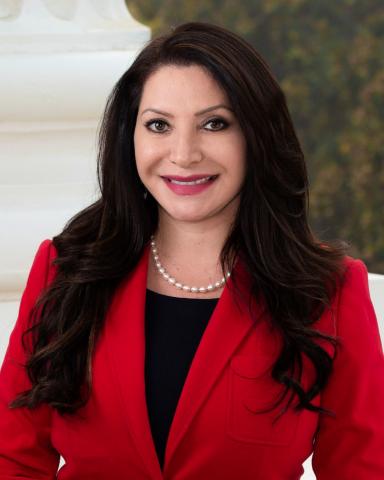
Susan Rubio
99% support rate
Top opponent
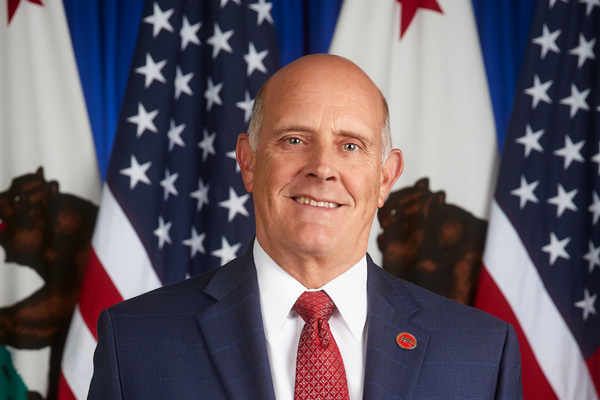
Brian Jones
3% support rate
Ranked legislators
10
5 support · 5 oppose
Key legislators

Who's moving healthcare in California

Legislators moving healthcare in California
Legislator Party Stance Support rate Decisive votes
Susan Rubio
Susan Rubio Senate · District 22
D
Strong +
99% 84
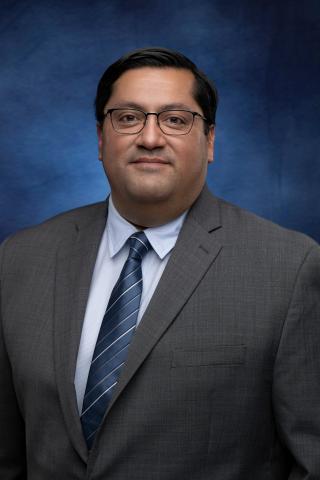
Jesse Arreguín
Jesse Arreguín Senate · District 7
D
Strong +
99% 79
Monique Limón
Monique Limón Senate · District 21
D
Strong +
99% 74
Celeste Rodriguez
Celeste Rodriguez House · District 43
D
Strong +
98% 66
Jerry McNerney
Jerry McNerney Senate · District 5
D
Strong +
98% 66
Brian Jones
Brian Jones Senate · District 40
R
Strong −
3% 60
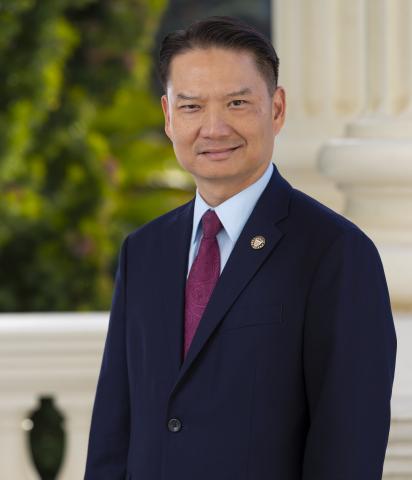
Tri Ta
Tri Ta House · District 70
R
Strong −
4% 91
Tony Strickland
Tony Strickland Senate · District 36
R
Strong −
4% 67
Kelly Seyarto
Kelly Seyarto Senate · District 32
R
Strong −
5% 111
Natasha Johnson
Natasha Johnson House · District 63
R
Strong −
5% 76
Showing 211–220 of 229 bills

All healthcare bills

signed · California · Senate Sep 17, 2025

SB 160: Background checks.

(1) Existing law, the Medical Practice Act, establishes the Medical Board of California and sets forth its powers and duties relating to the licensure and regulation of physicians and surgeons. Existing law establishes the Osteopathic Medical Board of California and sets forth its powers and duties relating to the licensure and regulation of osteopathic physicians and surgeons consistent with the Osteopathic Act, as specified. This bill would require those boards to require each applicant to furnish a full set of fingerprints for purposes of conducting criminal history record checks. The bill would require the board to submit those fingerprint images and related information to the Department of Justice (DOJ) and would require the DOJ to charge a fee for those costs, as prescribed. Existing law requires medical school graduates, within 180 days after beginning a board-approved postgraduate program, to obtain a physician's and surgeon's postgraduate training license. Existing law requires each application to include either fingerprint cards or a copy of a completed Live Scan form from the applicant in order to establish the identity of the applicant and whether the applicant has a criminal conviction, in accordance with specified provisions. This bill would delete the above provisions on using that information in order to establish the applicant's identity and criminal conviction records. The bill would instead require those boards to submit to the DOJ fingerprint images and related information required by the DOJ of all applicants to determine whether the applicant has a criminal conviction record, as specified. The bill would require the DOJ to provide a state- and federal-level response, as described. Existing law requires each application for a medical license to contain specified information including either fingerprint cards or a copy of a completed Live Scan form from the applicant in order to establish the applicant's identity and criminal conviction records. This bill would delete the above provisions on using that information in order to establish the applicant's identity and criminal conviction records. The bill would instead require those boards to submit to the DOJ fingerprint images and related information required by the DOJ of all applicants to determine whether the applicant has a criminal conviction record, as specified. The bill would require the DOJ to provide a state- and federal-level response, as described. Existing law establishes a process for physicians who are not citizens but who meet certain postgraduate requirements to participate in professional activities of approved medical schools or academic medical centers, subject to completing an application process and submitting the requisite fees established by the board. This bill would require the board to submit to the DOJ fingerprint images and related information to determine if an applicant has a criminal conviction record, as specified. The bill would require the DOJ to provide a state- and federal-level response, as described. Existing law establishes a process for a person who does not immediately qualify for a physician's and surgeon's certificate and who is offered a full-time faculty position at a medical school or academic medical center to be granted a certificate to engage in the practice of medicine. Existing law requires an applicant to submit specified information to the board to qualify for the certificate. This bill would require the board to submit to the DOJ fingerprint images and related information to determine whether an applicant has a criminal conviction record, as specified. The bill would require the DOJ to provide a specified response, as described. Existing law establishes the Licensed Physicians from Mexico Program under which the Medical Board of California is required to issue a 3-year physician and surgeon's license to each licensed physician from Mexico who, among other requirements, passes a board review course with a score equivalent to that registered by United States applicants when passing a board review course for the United States certification examination in each of the physician's specialty areas. This bill would delete that requirement. The bill would also require the board to submit to the DOJ fingerprint images and related information to determine whether an applicant has a criminal conviction record, as specified. The bill would require the DOJ to provide a specified state- and federal-level response, as described. Existing law authorizes a person who meets specified eligibility requirements to apply for a special faculty permit to practice medicine only within a medical school or certain affiliated institution. Existing law requires the application for a special faculty permit to be on a form prescribed by the board and to include specified information regarding the applicant's qualifications. This bill would require the board to submit to the DOJ fingerprint images and related information to determine whether an applicant has a criminal conviction record, as specified. The bill would require the DOJ to provide a specified state- and federal-level response, as described. (2) Existing law, the Licensed Midwifery Practice Act of 1993, provides for the licensure and regulation of midwives by the Medical Board of California in accordance with specified procedures. This bill would require the board to submit to the DOJ fingerprint images and related information to determine whether an applicant has a criminal conviction record, as specified. The bill would require the DOJ to provide a specified state and federal response, as described. (3) Existing law, the Psychology Licensing Law, provides for the licensure and regulation of psychologists by the Board of Psychology. Existing law also establishes a process whereby a person who is registered with the board as a psychological associate may perform psychological functions in preparation for licensure as a psychologist. Existing law further establishes procedures for graduates and students who have completed certain psychoanalysis training to engage in psychoanalysis as an adjunct to teaching, training, or research, subject to meeting certain requirements. Existing law authorizes a person who is registered with the board as a psychological testing technician to administer and score standardized objective psychological and related tests, upon meeting specified application requirements. This bill would require the board to require the above-described applicants for licensure or registration under that law to undergo a fingerprint-based state and national criminal history background check. The bill would require the board to submit to the DOJ fingerprint images and related information for those individuals and would require the department to provide a state- and federal-level response, as described. (4) Existing law requires the Medical Board of California to promulgate regulations regarding qualifications for the registration of individuals as certified polysomnographic technologists, polysomnographic technicians, and polysomnographic trainees, in accordance with certain procedures. Under existing law, an individual seeking registration from the board under these provisions is subject to a state- and federal-level criminal offender record information search conducted through the DOJ, as specified. This bill would revise and recast the above-described criminal information requirements. The bill would require the board to submit to the DOJ fingerprint images and related information to determine whether an applicant has a criminal conviction record, as specified. The bill would also require the department to provide a state- and federal-level response, as described. (5) Existing law establishes the Board of Behavioral Sciences to license and regulate specified professionals, including marriage and family therapists and educational psychologists, among others. Existing law requires the board to keep an accurate record of all applicants for licensure and all individuals to whom it has issued a license. This bill would require the board to require an applicant for a marriage and family therapist licensure, registration as an associate marriage and family therapist, and other specified behavioral sciences professionals to undergo a fingerprint-based state and national criminal history background check. The bill would require the board to submit to the DOJ fingerprint images and related information to determine whether an applicant has a criminal conviction record, as specified. The bill would require the DOJ to provide a state- and federal-level response, as described. (6) Existing law, the Collateral Recovery Act, provides for the licensure and regulation of repossession agencies by the Bureau of Security and Investigative Services. This bill would require the bureau to require each applicant as a repossession agency licensee, qualified certificate holder, or registrant, as defined, to undergo a fingerprint-based state and national criminal history background check. The bill would require the bureau to submit to the DOJ fingerprint images and related information on applicants. The bill would require the DOJ to provide a state- and federal-level response, as prescribed. (7) Existing law, the Private Investigator Act, provides for the licensure and regulation of private investigators by the Bureau of Security and Investigative Services. This bill would require the bureau to require each applicant for a private investigator license and qualified manager, as defined, to undergo a fingerprint-based state and national criminal history background check. The bill would require the bureau to submit to the DOJ fingerprint images and related information on applicants. The bill would require the DOJ to provide a state- and federal-level response, as described. (8) Existing law, the Household Movers Act, provides for the licensure and regulation of household movers, including corporations and persons, as defined, by the Division of Household Movers established within the Bureau of Household Goods and Services. Existing law establishes a process for each applicant under that act to submit to the DOJ fingerprint images and related information as a prerequisite to the issuance of a permit to operate as a household mover. This bill would revise and recast those provisions. The bill would require the bureau to require each applicant for a permit as a household mover, as defined, to undergo a fingerprint-based state and national criminal history background check. The bill would require the bureau to submit to the DOJ fingerprint images and related information for the purposes of obtaining information as to state and federal convictions and arrests, as prescribed. (9) Existing law requires a fingerprint-based criminal history information check that is required pursuant to any statute to be requested from the DOJ. When a government agency or other entity requests such a criminal history check for purposes of employment, licensing, or certification, existing law requires the DOJ to disseminate specified information in response to the request, including information regarding convictions and arrests for which the applicant is presently awaiting trial. Existing law establishes the State Department of Education, under the administration of the Superintendent of Public Instruction, and assigns to it numerous duties relating to the governance and financing of the public elementary and secondary schools of this state. Existing law establishes the California School for the Deaf, Northern California, the California School for the Deaf, Southern California, and the California School for the Blind, known as the state special schools, under the administration of the department, and 3 related diagnostic centers under the administration of the Superintendent, as provided. This bill would authorize the department to require employees, prospective employees, volunteers, contractors, and subcontractors of the department, the state special schools, or the diagnostic centers to undergo a fingerprint-based state and national criminal history background check, as provided. (10) Existing law establishes the California State University, under the administration of the Trustees of the California State University, as one of the segments of public postsecondary education in the state. This bill would authorize the California State University to require employees, prospective employees, volunteers, contractors to undergo a fingerprint-based state and national criminal history background check, as provided. (11) The California Constitution provides that the University of California constitutes a public trust administered by the Regents of the University of California, a corporation in the form of a board, with full powers of organization and government, subject to legislative control only for specified purposes, including, among others, as may be necessary to ensure the security of its funds. This bill would expressly authorize the University of California to require background checks, to be completed by the DOJ as specified, during the final stages of the recruitment process for prospective staff employees, contractors, and volunteers. (12) Existing law requires the sheriff or other specified agency to furnish a classifiable set of fingerprints to the DOJ and to the Federal Bureau of Investigation (FBI) for every peace officer employed, except as provided. This bill would require a law enforcement agency, as defined, to require peace officers and prospective peace officers to undergo a criminal history background check and to submit fingerprint images and related information to the DOJ, as specified. The bill would require the DOJ to provide a state- or federal-level response, as described. By increasing the duties of local law enforcement agencies, this bill would impose a state-mandated local program. (13) Under the Yacht and Ship Brokers Act, the Division of Boating and Waterways in the Department of Parks and Recreation licenses the activities of brokers and salespersons engaged in the buying and selling of yachts and ships, as specified. The act authorizes the division to deny an application or suspend or revoke the license of a yacht broker or yacht salesperson who, within 4 years immediately preceding, has committed any of certain specified acts, including, among others, having been convicted of a felony or any crime involving moral turpitude or withholding information from the department that they at any time have been convicted of a felony or any crime involving moral turpitude. This bill would require the division to require an applicant for a yacht and ship broker or salesperson license to undergo a fingerprint-based state and national criminal history background check, as provided. (14) Existing law requires the DOJ to maintain state summary criminal history information, as defined, and to furnish this information to various state and local government officers, officials, and other prescribed entities, if needed in the course of their duties. Existing law makes it a crime for a person authorized by law to receive state summary criminal history information to knowingly furnish that information to a person who is not authorized to receive it. This bill would require the DOJ to inform the Joint Legislative Budget Committee, the Senate Standing Committee on Public Safety, and the Assembly Public Safety Committee, as specified, within 30 days of determining that a legislative enactment is likely to be needed, for an entity that is authorized to receive criminal history information, to reestablish or retain proper authorization for an applicant population. The bill would additionally prohibit the department from disseminating criminal history information, as specified. By expanding the scope of an existing crime, this bill would impose a state-mandated local program. This bill would require a criminal justice agency to submit fingerprint images and related information for a specified individual to the department if the individual is subject to a state or national criminal history background check, as specified. By expanding the scope of the crime of unlawful disclosure of state summary criminal history information, this bill would impose a state-mandated local program. This bill would require certain government entities, including, among others, the California State Summer School for the Arts and the Department of Fish and Wildlife, to submit fingerprint images and related information for various persons, including employees or prospective employees, to the DOJ, if the employees are subject to a state and national criminal history background check, as specified. The bill would also require a law enforcement agency, if it performs a background check, to submit fingerprint images and related information for a retiring or retired peace officer seeking an endorsement for the officer to carry a concealed and loaded firearm. (15) Existing law requires the DOJ to provide subsequent state or federal arrest or disposition notification to the State Department of Social Services, the Medical Board of California, the Osteopathic Medical Board of California, and other authorized entities to assist in, among other things, fulfilling employment, licensing, or certification duties. Existing law requires an entity, other than a law enforcement agency, as defined, to enter into a contract with the DOJ in order to receive notification of subsequent state or federal arrests or dispositions for licensing, employment, or certification purposes. Commencing January 1, 2028, this bill would no longer exempt law enforcement agencies from the contract requirement. Commencing January 1, 2028, the bill would also require authorized entities for each volunteer, as specified, to verify no less than every 6 months that the person is still a volunteer with the entity. The California Constitution requires the state to reimburse local agencies and school districts for certain costs mandated by the state. Statutory provisions establish procedures for making that reimbursement. This bill would provide that with regard to certain mandates no reimbursement is required by this act for a specified reason. With regard to any other mandates, this bill would provide that, if the Commission on State Mandates determines that the bill contains costs so mandated by the state, reimbursement for those costs shall be made pursuant to the statutory provisions noted above. (17) This bill would, for the 2025–26 fiscal year, appropriate the sum of $10,000 to the DOJ for purposes of administering the above-described fingerprint requirements. (18) This bill would declare that it is to take effect immediately as a bill providing for appropriations related to the Budget Bill.
passed · California · Assembly Sep 13, 2025

AB 968: Contraceptives.

Existing law, the Pharmacy Law, establishes, in the Department of Consumer Affairs, the California State Board of Pharmacy to license and regulate the practice of pharmacy. Existing law authorizes a physician and surgeon, nurse practitioner, registered nurse, and specified other health care practitioners acting within the scope of their practice to use a self-screening tool to identify patient risk factors for the use of self-administered hormonal contraceptives by a patient and, after examination, to prescribe, furnish, or dispense self-administered hormonal contraceptives to the patient. This bill would, instead, make those provisions applicable to contraceptives. Existing law authorizes a pharmacist to furnish self-administered hormonal contraceptives in accordance with standardized procedures or protocols developed and approved by both the California State Board of Pharmacy and the Medical Board of California, in consultation with specified other entities. This bill would authorize a pharmacist to also furnish federal Food and Drug Administration-approved nonhormonal contraceptives in accordance with those standardized procedures or protocols. The bill would require a pharmacist, for each federal Food and Drug Administration-approved nonhormonal contraceptives initiated, to provide the recipient with a standardized fact sheet, as specified. Existing law prohibits a pharmacist, pharmacist's employer, or pharmacist's agent from directly charging a patient a separate consultation fee for emergency contraception drug therapy services and requires the pharmacist to disclose the total retail price of the emergency contraception drug therapy. Existing law makes those provisions inoperative for dedicated emergency contraception drugs if these drugs are reclassified as over-the-counter products by the federal Food and Drug Administration. This bill would delete those provisions. Existing law requires a pharmacist to dispense, at a patient's request, up to a 12-month supply of an FDA-approved, self-administered hormonal contraceptive. This bill would, instead, make those provisions applicable to contraceptives. This bill would make related conforming changes.
signed · California · Assembly Sep 10, 2025

AJR 12: Relative to the Head Start program.

This measure would recognize May 2025 as Head Start Month and call on the Congress and the President of the United States to protect and increase funding for Head Start.
passed · California · Senate Aug 29, 2025

SB 32: Health care coverage: timely access to care.

Existing law provides for the Medi-Cal program, which is administered by the State Department of Health Care Services, under which qualified low-income individuals receive health care services. The Medi-Cal program is, in part, governed and funded by federal Medicaid program provisions. Existing law authorizes the provision of Medi-Cal benefits by a contracted managed care plan and requires that benefits provided by a managed care plan are subject to specified time and distance standards. Existing law, the Knox-Keene Health Care Service Plan Act of 1975, provides for the licensure and regulation of health care service plans by the Department of Managed Health Care and makes a willful violation of the act a crime. Existing law provides for the regulation of health insurers by the Department of Insurance. Existing law requires a health care service plan or health insurer that provides or arranges for the provision of hospital or physician services to comply with specified timely access to care requirements, including ensuring that its network has adequate capacity and availability of licensed health care providers to offer enrollees and insureds appointments that meet specified timeframes. Existing law authorizes the department director to take enforcement action against health care plans that fail to comply with these provisions, including assessing administrative penalties. This bill would require, on or before July 1, 2027, the Department of Managed Health Care, the Department of Insurance, and the State Department of Health Care Services to consult together and with stakeholders develop and adopt standards for the geographic accessibility of perinatal units to ensure timely access for enrollees and insureds, as specified. The bill's provisions would become inoperative on July 1, 2033, and would be repealed on January 1, 2034. Because a violation by a health care service plan of a standard adopted by the Department of Managed Health Care would be a crime, the bill would impose a state-mandated local program. The California Constitution requires the state to reimburse local agencies and school districts for certain costs mandated by the state. Statutory provisions establish procedures for making that reimbursement. This bill would provide that no reimbursement is required by this act for a specified reason.
passed · California · Senate Aug 29, 2025

SB 812: Qualified youth drop-in center health care coverage.

Existing law, the Knox-Keene Health Care Service Plan Act of 1975, provides for the licensure and regulation of health care service plans by the Department of Managed Health Care and makes a willful violation of the act a crime. Existing law provides for the regulation of health insurers by the Department of Insurance. Existing law requires a health care service plan contract or health insurance policy issued, amended, renewed, or delivered on or after January 1, 2024, that provides coverage for medically necessary treatment of mental health and substance use disorders to cover the provision of those services to an individual 25 years of age or younger when delivered at a schoolsite. This bill would expand the definition of schoolsite to additionally require a contract or policy that provides coverage for medically necessary treatment of mental health and substance use disorders to cover the provision of those services to an individual 25 years of age or younger when delivered at a qualified youth drop-in center. Because a violation of this requirement relative to health care service plans would be a crime, the bill would create a state-mandated local program. Existing law provides for the Medi-Cal program, administered by the State Department of Health Care Services and under which qualified low-income individuals receive health care services. The Medi-Cal program is, in part, governed and funded by federal Medicaid program provisions. Existing law requires a Medi-Cal managed care plan or Medi-Cal behavioral health delivery system to reimburse providers of medically necessary outpatient mental health or substance use disorder treatment provided at a schoolsite to a student 25 years of age or younger who is an enrollee of the plan or delivery system, as specified. Because of the expansion of the definition of schoolsite to include qualified youth drop-in centers, this bill would expand the above-described reimbursement requirement to those services when provided at a qualified youth drop-in center, as specified. The California Constitution requires the state to reimburse local agencies and school districts for certain costs mandated by the state. Statutory provisions establish procedures for making that reimbursement. This bill would provide that no reimbursement is required by this act for a specified reason.
passed · California · Senate Aug 29, 2025

SB 324: Medi-Cal: enhanced care management and community supports.

Existing law establishes the Medi-Cal program, which is administered by the State Department of Health Care Services and under which qualified low-income individuals receive health care services. The Medi-Cal program is, in part, governed and funded by federal Medicaid program provisions. Existing law, subject to implementation of the California Advancing and Innovating Medi-Cal (CalAIM) initiative, requires the department to implement an enhanced care management (ECM) benefit designed to address the clinical and nonclinical needs on a whole-person-care basis for certain target populations of Medi-Cal beneficiaries enrolled in Medi-Cal managed care plans. Under existing law, target populations include, among others, high utilizers with frequent hospital admissions, short-term skilled nursing facility stays, or emergency room visits, and individuals experiencing homelessness. Existing law, subject to CalAIM implementation, authorizes a Medi-Cal managed care plan to elect to cover community supports, as specified. Under existing law, community supports that the department is authorized to approve include, among others, housing transition navigation services and medically supportive food and nutrition services. This bill would require a Medi-Cal managed care plan, for purposes of covering the ECM benefit, or if it elects to cover a community support, to contract with community providers, as defined, that can demonstrate that they are capable of providing access and meeting quality requirements in accordance with Medi-Cal guidelines. In determining which community providers to contract with, the bill would authorize Medi-Cal managed care plans to take into consideration whether those providers are available in the respective county and have experience in providing the applicable ECM or community support. The bill would require the department, for purposes of enforcing these provisions, to require Medi-Cal managed care plans to set goals every other year for the level of contracting and utilization of community providers and local entities, as defined. The bill would require these goals to be established in consultation with the department, as specified. If a community provider contracted to provide ECM services or community supports submits a referral or authorization request for the applicable service on behalf of an eligible member, the bill would require a Medi-Cal managed care plan to assign the member to the contracted referring provider if the plan determines that the provider can appropriately meet the needs of the member. The bill would prohibit the above-described provisions from being construed to limit the department's authority to grant eligibility for presumptive authorization for categories of ECM providers that have extensive experience and expertise in serving certain ECM populations of focus. Existing law requires the department to develop, in consultation with Medi-Cal managed care plans and other appropriate stakeholders, a monitoring plan and reporting template for the implementation of ECM or community supports. Existing law requires the department to annually publish a public report on reported ECM or community support utilization data, populations served, and demographic data, stratified by age, sex, race, ethnicity, and languages spoken, to the extent that statistically reliant data are available. This bill would expressly include providers of ECM or community supports within the consultation process. The bill would require the department to publish the public report on a quarterly basis instead and would require additional demographic data. The bill would also require the department to develop standardized and streamlined templates to be used by Medi-Cal managed care plans or their contracted providers, as specified, and to develop guidance to allow community providers to act as a primary subcontractor with Medi-Cal managed care plans and to subcontract with other community providers as a 3rd-tier subcontractor, as specified.
passed · California · Assembly Aug 29, 2025

AB 536: Health care coverage: colorectal cancer screening.

Existing law, the Knox-Keene Health Care Service Plan Act of 1975, provides for the licensure and regulation of health care service plans by the Department of Managed Health Care. Existing law provides for the regulation of health insurers by the Department of Insurance. Existing law generally requires a health care service plan contract or a health insurance policy issued, amended, or renewed on or after January 1, 2022, to provide coverage without cost sharing for a colorectal cancer screening test assigned either a grade of A or a grade of B by the United States Preventive Services Task Force and for a required colonoscopy for a positive result on a test with those grades. This bill would additionally require that coverage if the screening test is approved by the United States Food and Drug Administration and either meets requirements for coverage established by the federal Centers for Medicare and Medicaid Services, as specified, or is included in the most recently published guidelines from the American Cancer Society.
passed · California · Assembly Aug 29, 2025

AB 787: Provider directory disclosures.

Existing law, the Knox-Keene Health Care Service Plan Act of 1975, provides for the licensure and regulation of health care service plans by the Department of Managed Health Care, and makes a willful violation of the act a crime. Existing law provides for the regulation of health insurers by the Department of Insurance. Existing law requires specified health care service plans and health insurers to publish and maintain a provider directory or directories with information on contracting providers that deliver health care services to enrollees or insureds, and requires a health care service plan or health insurer to regularly update its printed and online provider directory or directories, as specified. Existing law requires provider directories to include specified information and disclosures. This bill would require a full service health care service plan, specialized mental health or dental plan, health insurer, or specialized mental health or dental insurer to include in its provider directory or directories a statement advising an enrollee or insured to contact the plan or insurer for assistance finding an in-network provider and for an explanation of their rights regarding out-of-network coverage, and would specify the format of the statement. The bill would require the plan or insurer to acknowledge the request within one business day if contacted for that assistance, and to provide a list of in-network providers confirmed to be accepting new patients within 2 business days for a request deemed urgent by the enrollee or insured and 5 business days for a request deemed nonurgent by an enrollee or insured. Because a violation of these provisions by a health care service plan would be a crime, the bill would impose a state-mandated local program. The California Constitution requires the state to reimburse local agencies and school districts for certain costs mandated by the state. Statutory provisions establish procedures for making that reimbursement. This bill would provide that no reimbursement is required by this act for a specified reason.
passed · California · Assembly Aug 29, 2025

AB 481: Healing arts: clinical laboratories: personnel.

Existing law prohibits, except as specified, a person from performing a clinical laboratory test or examination classified as of moderate or high complexity under the federal Clinical Laboratory Improvement Amendments of 1988 (CLIA) unless the test or examination is performed under the overall operation and administration of the laboratory director, as specified. A violation of these provisions is a crime. Existing law authorizes unlicensed laboratory personnel who have earned a high school diploma or its equivalent and who meet specified training requirements to perform specified activities under the supervision and control of a physician and surgeon or licensed person. This bill would authorize a person to assist, as defined, in the performance of moderate or high complexity testing in a clinical laboratory if the person, in addition to the above requirements, meets the requirements under CLIA for moderate or high complexity testing. Prior to assisting in the performance of the specified activities, the bill would require the person, under direct and constant supervision, to demonstrate the skills and ability to satisfactorily perform the task. The bill would require the laboratory director to designate the supervisor and to maintain overall responsibility for the supervision and performance of the unlicensed laboratory personnel. By expanding the application of an existing crime, this bill would create a state-mandated local program. This bill would define supervision and control, as used above, to mean direction, management, and awareness of the activity of unlicensed laboratory personnel by a physician and surgeon or licensed person, who must be physically present in the laboratory and readily available for consultation during the entire time that the unlicensed laboratory personnel are engaged in the duties. The California Constitution requires the state to reimburse local agencies and school districts for certain costs mandated by the state. Statutory provisions establish procedures for making that reimbursement. This bill would provide that no reimbursement is required by this act for a specified reason.
passed · California · Assembly Aug 29, 2025

AB 1068: Emergency services available during natural disasters.

Existing law, the Mello-Granlund Older Californians Act, establishes, among others, the California Department of Aging in the California Health and Human Services Agency, also known as CalHHS and headed by the Secretary of CalHHS, and sets forth its mission to provide leadership to the area agencies on aging in developing systems of home- and community-based services that maintain individuals in their own homes or least restrictive homelike environments. Existing law provides for the licensure and regulation of long-term health care facilities, including skilled nursing facilities and intermediate care facilities, by the State Department of Public Health. Existing law requires, among other things, the department to administer the Aging and Disability Resource Connection (ADRC) program. No later than July 1, 2026, this bill would require the Secretary of CalHHS, in coordination with various state departments, offices, and other entities, as specified, to develop a working group to make recommendations regarding the evacuation and sheltering needs of older adults and persons with disabilities living in long-term care facilities during natural, technological, or manmade disasters and emergencies. The bill would require the Secretary of CalHHS to submit the recommendations no later than July 1, 2027, and would repeal that requirement on January 1, 2030.
Showing 211 to 220 of 229 bills