Issue · Environment

Environment (Wildlife)

Every environment bill, vote, and legislator stance in California, automatically classified by Maddy, our AI policy reader.

Total bills
4
2025-2026 Regular Session
Top supporter
Jessica Caloza
100% support rate
Top opponent
David Tangipa
0% support rate
Ranked legislators
10
5 support · 5 oppose
Key legislators

Who's moving wildlife in California

Legislators moving wildlife in California
Legislator Party Stance Support rate Votes
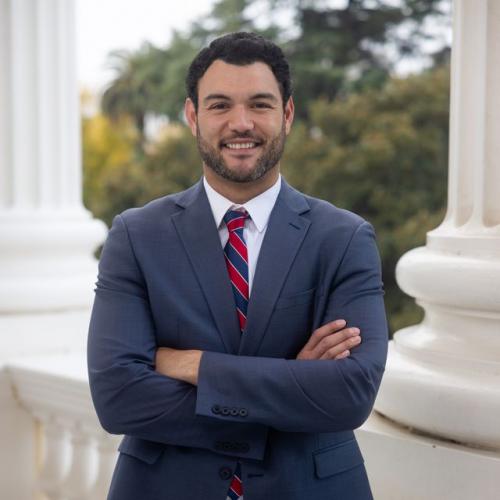
Jessica Caloza
Jessica Caloza House · District 52
D
Strong +
100% 22
Gregg Hart
Gregg Hart House · District 37
D
Strong +
100% 20
Chris Rogers
Chris Rogers House · District 2
D
Strong +
100% 17
Buffy Wicks
Buffy Wicks House · District 14
D
Strong +
100% 16
Gail Pellerin
Gail Pellerin House · District 28
D
Strong +
100% 16
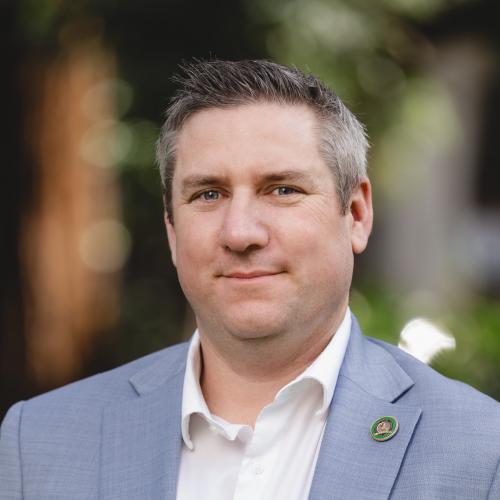
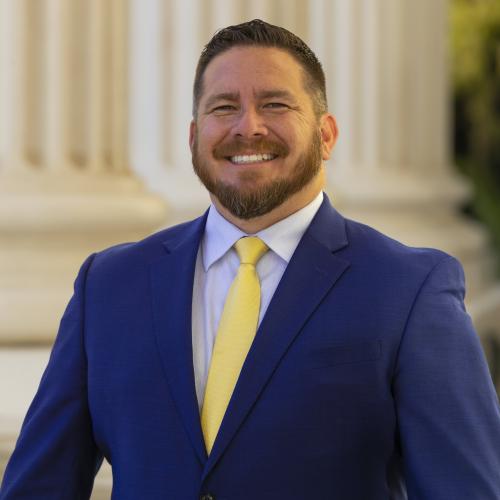
David Tangipa
David Tangipa House · District 8
R
Strong −
0% 18
Tri Ta
Tri Ta House · District 70
R
Strong −
0% 14
Diane Dixon
Diane Dixon House · District 72
R
Strong −
0% 13
Juan Alanis
Juan Alanis House · District 22
R
Strong −
0% 11
Ali Macedo
Ali Macedo House · District 33
R
Strong −
0% 10
Showing 4 of 4 bills

All environment bills

died · California · Senate Apr 23, 2026

SB 1212: Endangered wildlife: kangaroos.

Existing law makes it a misdemeanor to import into the state for commercial purposes, to possess with intent to sell, or to sell within the state the dead body, or a part or product thereof, of a polar bear, leopard, ocelot, tiger, cheetah, jaguar, sable antelope, wolf, zebra, whale, cobra, python, sea turtle, colobus monkey, kangaroo, vicuna, sea otter, free-roaming feral horse, dolphin or porpoise, Spanish lynx, or elephant. This bill would exempt from that prohibition the import into the state for commercial purposes, possession with intent to sell, or sale within the state of kangaroos if they are harvested in accordance with Australian law, the federal Endangered Species Act, and applicable international conventions, as specified.
Sub-Topics Wildlife
vetoed · California · Assembly Jan 22, 2026

AB 975: Lake and streambed alteration agreements: exemptions: culverts and bridges.

Existing law prohibits a person, a state or local governmental agency, or a public utility from substantially diverting or obstructing the natural flow of, or substantially changing or using any material from the bed, channel, or bank of, any river, stream, or lake, or depositing or disposing of debris, waste, or other material containing crumbled, flaked, or ground pavement where it may pass into any river, stream, or lake, unless prescribed requirements are met, including written notification to the Department of Fish and Wildlife regarding the activity. Existing law requires the department to determine whether the activity may substantially adversely affect an existing fish and wildlife resource and, if so, to provide a draft lake or streambed alteration agreement to the person, agency, or utility. Existing law prescribes various requirements for lake and streambed alteration agreements. Existing law also establishes various exemptions from these provisions. This bill would, until January 1, 2027, exempt from these provisions, subject to certain requirements, projects to repair or reconstruct a bridge 30 feet long or less or a culvert 70 feet long or less within the County of Sutter that has been damaged or destroyed as a result of fire, flood, storm, earthquake, land subsidence, gradual earth movement, or landslide, between January 1, 2022, and December 31, 2024, inclusive, except as specified. This bill would make legislative findings and declarations as to the necessity of a special statute for the County of Sutter.
failed · California · Assembly Feb 2, 2026

AB 1083: California Environmental Quality Act: exemptions: housing development projects: natural and protected lands: record of proceedings.

The California Environmental Quality Act (CEQA) requires a lead agency, as defined, to prepare, or cause to be prepared, and certify the completion of an environmental impact report (EIR) on a project that it proposes to carry out or approve that may have a significant effect on the environment or to adopt a negative declaration if it finds that the project will not have that effect. CEQA also requires a lead agency to prepare a mitigated negative declaration for a project that may have a significant effect on the environment if revisions in the project would avoid or mitigate that effect and there is no substantial evidence that the project, as revised, would have a significant effect on the environment. Existing law exempts from CEQA a rezoning that implements the schedule of actions contained in an approved housing element, as specified, except, among other things, a rezoning that would allow for the construction of a distribution center or for oil and gas infrastructure. This bill would instead exempt a rezoning to the extent that it is necessary to implement a schedule of actions contained in an approved housing element, except, among other things, a rezoning that would allow for the construction of a distribution center, for a tourism facility, as defined, or for oil and gas infrastructure. Existing law, for a proposed housing development project, as defined, that would otherwise be exempt from CEQA pursuant to a statutory exemption or specified categorical exemptions, but for a single condition, limits the application of CEQA to the effects upon the environment that are caused by that single condition, except as provided. This bill, for purposes of those provisions, would modify the definition of housing development project to exclude a project that has any portion of the project designated for use as a tourism facility, as defined. To the extent that this would create new duties for a lead agency, this bill would impose a state-mandated local program. Existing law exempts specified projects from CEQA, including a project that consists exclusively of a facility for advanced manufacturing, as defined, if the project is located on a site zoned exclusively for industrial uses. Existing law excludes projects located on natural and protected lands, as defined, from these exemptions, as provided. Existing law includes in the definition of natural and protected lands, lands protected as preserve areas or reserve lands pursuant to an adopted natural community conservation plan or habitat conservation plan, as specified. This bill would instead include, for that portion of the definition of natural and protected lands, lands identified for conservation in an adopted natural community conservation plan, habitat conservation plan, or other adopted natural resource protection plan, as specified. The bill would also expand the definition of natural and protected lands to include habitat for protected species, as specified, fully protected species, or species protected by the federal Endangered Species Act of 1973, the California Endangered Species Act, or the Native Plant Protection Act. The bill would eliminate the exemption from CEQA for advanced manufacturing projects. The bill would instead exempt from CEQA, until January 1, 2030, a project that consists exclusively of a facility for semiconductor manufacturing if the project is located on a site that was zoned exclusively for heavy industrial use on or before August 1, 2025, and meets specified criteria, including, among other things, that the project does not involve the storage, use, or discharge of extremely hazardous gases or chemicals above California's accidental release program reporting thresholds, the project applicant demonstrates high road employment standards and certifies to the lead agency that it will maintain those standards in the development, construction, and operation of the facility, and the project applicant has provided a legally binding commitment to comply with specified labor-related requirements with respect to the initial construction of the facility and subsequent maintenance that is contracted out to a contractor in the construction industry, as specified. Because a lead agency would be required to determine the applicability of this exemption, the bill would impose a state-mandated local program. The bill would require the State Energy Resources Conservation and Development Commission to develop and make available to lead agencies guidelines for evaluating whether a project applicant demonstrates high road employment standards. The bill would require the Office of Land Use and Climate Innovation, on or before January 1, 2029, to report to the Legislature on projects that were exempted from CEQA pursuant to the above exemption, as provided, and require the report to include a list of the projects for semiconductor manufacturing facilities that have been approved for development in the state, as specified. CEQA requires in an action or proceeding to attack, review, set aside, void, or annul certain acts or decisions of a public agency to be commenced according to a specified process and requires the record of proceedings to contain specified information, including all internal agency communications, except as specified. Existing law provides that for those projects that do not include a distribution center or oil and gas infrastructure, internal agency communication does not include staff notes and electronic internal agency communications, including emails, that were not presented to the final decisionmaking body, other than those communications and documents consulted, or reviewed by the lead agency executive or a local agency executive, as provided, thereby limiting what the record of proceeding is required to contain for these projects. This bill would eliminate the above-described limitation on internal agency communication required to be included in the record of proceedings for those projects that do not include a distribution center or oil and gas infrastructure, thereby requiring additional information to be included in the record of proceeding. By imposing new duties on a lead agency in order to comply with this provision, the bill would create a state-mandated local program. The California Constitution requires the state to reimburse local agencies and school districts for certain costs mandated by the state. Statutory provisions establish procedures for making that reimbursement. This bill would provide that no reimbursement is required by this act for a specified reason.
signed · California · Assembly Oct 7, 2025

AB 697: Protected species: authorized take: State Route 37 project.

Existing law, the California Endangered Species Act, prohibits the taking of an endangered or threatened species, except in certain situations, including, if specified conditions are met, under a permit issued by the Department of Fish and Wildlife commonly known as an incidental take permit. Existing law also enumerates fully protected species and prohibits the take of fully protected species, except under limited circumstances. This bill would permit the department to authorize, under the California Endangered Species Act, the incidental take of specified fully protected species resulting from impacts attributable to a specified project on State Route 37, if certain conditions are met, including, among others, the conditions required for the issuance of an incidental take permit.
Sub-Topics Wildlife