Issue · Education

Education (Higher Education)

Every education bill, vote, and legislator stance in California, automatically classified by Maddy, our AI policy reader.

Total bills
120
2025-2026 Regular Session
Top supporter
Mike Fong
100% support rate
Top opponent
Stan Ellis
0% support rate
Ranked legislators
10
5 support · 5 oppose
Key legislators

Who's moving higher education in California

Legislators moving higher education in California
Legislator Party Stance Support rate Votes
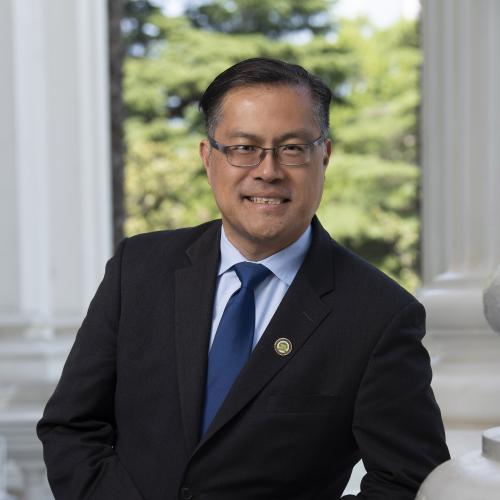
Mike Fong
Mike Fong House · District 49
D
Strong +
100% 73
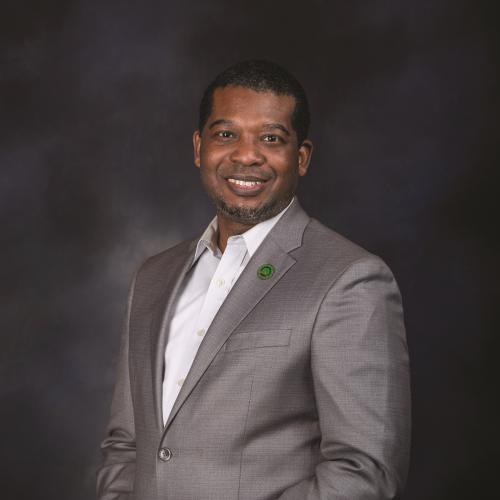
Corey Jackson
Corey Jackson House · District 60
D
Strong +
100% 59
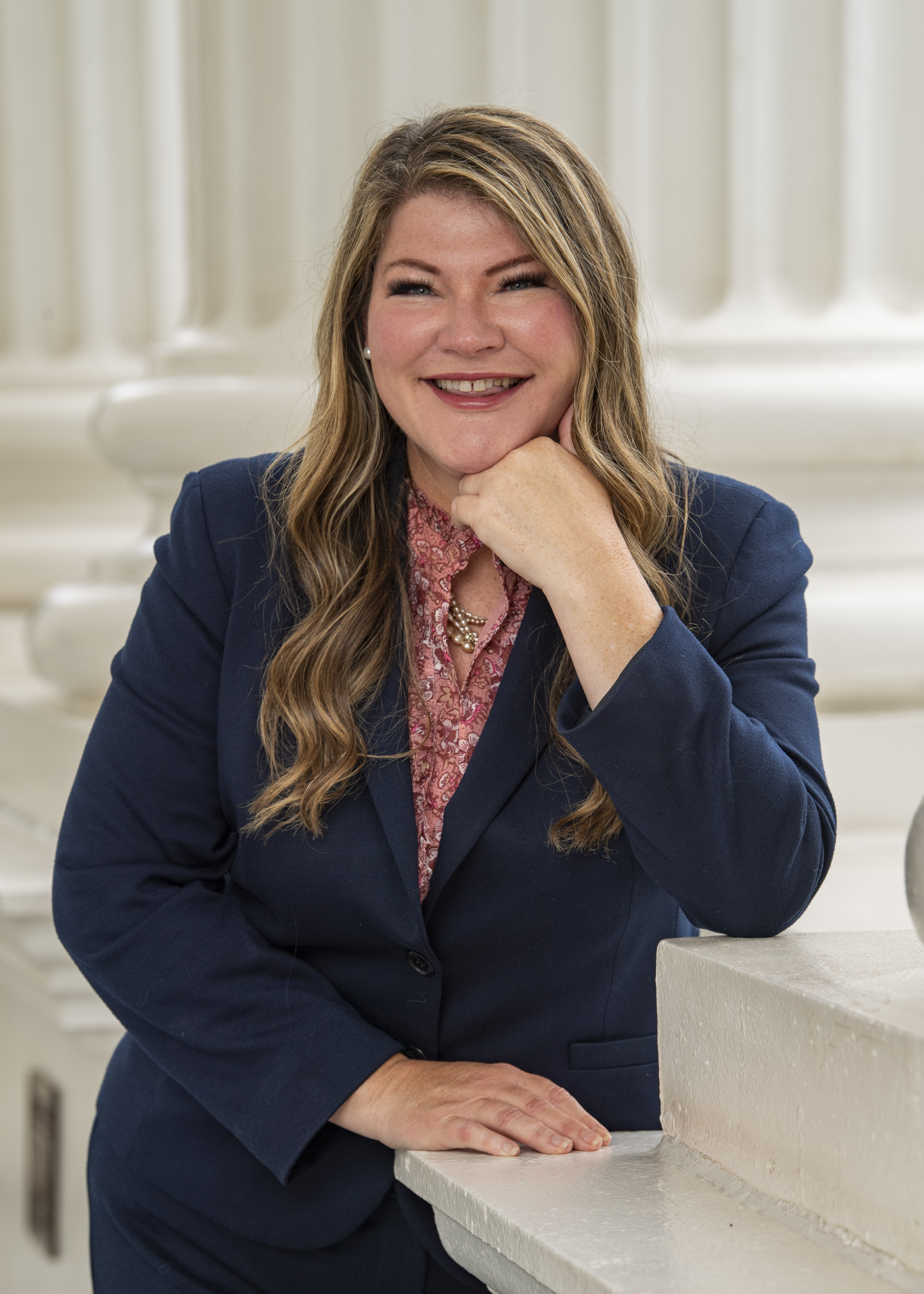
Tasha Boerner
Tasha Boerner House · District 77
D
Strong +
100% 58
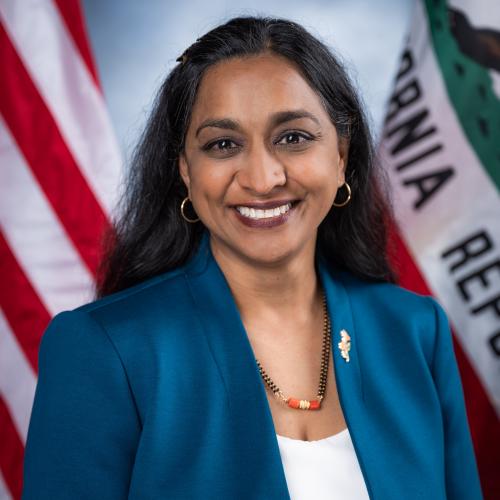
Darsh Patel
Darsh Patel House · District 76
D
Strong +
100% 56
Blanca Pacheco
Blanca Pacheco House · District 64
D
Strong +
100% 45
Stan Ellis
Stan Ellis House · District 32
R
Strong −
0% 26
Kelly Seyarto
Kelly Seyarto Senate · District 32
R
Strong −
0% 25
Natasha Johnson
Natasha Johnson House · District 63
R
Strong −
0% 19
James Gallagher
James Gallagher House · District 3
R
Strong −
0% 18
Roger Niello
Roger Niello Senate · District 6
R
Strong −
0% 18
Showing 1–10 of 120 bills

All education bills

passed · California · Assembly Aug 19, 2026

HR 138: Relative to National 4-H Week.

California House Resolution 138 designates the week of October 4 through October 10, 2026, as National 4-H Week throughout the state. The resolution encourages citizens to recognize the impact of the 4-H program, which is described as the largest youth development organization in the United States. It highlights how the program, delivered by the University of California Cooperative Extension, helps young people develop leadership skills through hands-on projects in health, science, agriculture, and civic engagement.
Sub-Topics Higher Education
passed · California · Assembly Aug 19, 2026

HR 134: Relative to California's First-Generation College Celebration Month.

California House Resolution 134 designates the month of November as "California's First-Generation College Celebration Month." The resolution honors students whose parents did not complete a bachelor's degree and recognizes the specific academic and financial challenges they often face. It also highlights the importance of federal and state support programs, such as Pell Grants and the Educational Opportunity Program, in helping these students succeed in higher education.
Sub-Topics Higher Education
in committee · California · Assembly May 14, 2026

AB 2114: Public postsecondary education: nonresident tuition fee exemption: educational asylum program.

Existing law establishes the California Community Colleges, under the administration of the Board of Governors of the California Community Colleges, the California State University, under the administration of the Trustees of the California State University, and the University of California, under the administration of the Regents of the University of California, as the 3 segments of public postsecondary education in the state. Existing law establishes uniform residency requirements for purposes of ascertaining the amount of tuition and fees to be paid by students of public postsecondary educational institutions. Existing law requires a student classified as a nonresident to pay nonresident tuition, in addition to other fees required by the institution, except as provided. These provisions apply to the University of California only to the extent that the regents, by appropriate resolution, make them applicable. This bill would authorize a participating public postsecondary educational institution to administer an educational asylum program, in collaboration with the Regents of the University of California, the Trustees of the California State University, and the Board of Governors of the California Community Colleges. The bill would require a participating institution to grant educational asylum status to a transfer student who meets specified requirements, including residing in a restricted state, as defined. The bill, commencing with the 2027–28 school year, would exempt a transfer student who is granted educational asylum status from paying nonresident tuition at a participating institution and would require the transfer student to only pay resident tuition and fees.
in committee · California · Assembly May 14, 2026

AB 2019: Community colleges: deported or detained faculty.

Existing law establishes the California Community Colleges, under the administration of the Board of Governors of the California Community Colleges, as one of the segments of public postsecondary education in this state. Existing law establishes community college districts throughout the state and authorizes them to provide instruction at the campuses they operate. Existing law requires the governing boards of community college districts, among other postsecondary educational entities, to the fullest extent consistent with state and federal law, to implement various precautionary measures when federal immigration enforcement activities are undertaken on campuses of those entities, as specified. This bill would require a community college district to allow its faculty who departed the United States on or after January 1, 2027, for a specified reason, including, among others, due to immigration enforcement actions by the Department of Homeland Security, and who was teaching for the community college district at the time of departure to perform their instruction and professional duties through distance education or other remote modalities offered by the community college district, as provided. By imposing new duties on community college districts, the bill would impose a state-mandated local program. The California Constitution requires the state to reimburse local agencies and school districts for certain costs mandated by the state. Statutory provisions establish procedures for making that reimbursement. This bill would provide that, if the Commission on State Mandates determines that the bill contains costs mandated by the state, reimbursement for those costs shall be made pursuant to the statutory provisions noted above.
in committee · California · Assembly Feb 21, 2026

AB 2666: Public postsecondary education.

The Donahoe Higher Education Act establishes the California Community Colleges, under the administration of the Board of Governors of the California Community Colleges, the California State University, under the administration of the Trustees of the California State University, and the University of California, under the administration of the Regents of the University of California, as the 3 segments of public postsecondary education in the state. This bill would state the intent of the Legislature to enact subsequent legislation related to public postsecondary education.
Sub-Topics Higher Education
in committee · California · Assembly May 14, 2026

AB 1716: California Victim Compensation Board: tuition reimbursement.

Existing law generally provides for the compensation of victims and derivative victims of specified types of crimes by the California Victim Compensation Board from the Restitution Fund, which is continuously appropriated to the board. Existing law authorizes the board to grant for pecuniary loss, when the board determines that it will best aid the person seeking compensation, as specified. Existing law authorizes the board to reimburse, among other things, the amount of medical or medical-related expenses and outpatient psychiatric, psychological, or other mental health counseling-related expenses incurred by the victim or derivative victim, as specified. This bill would also authorize the board to reimburse the expense of tuition at an educational institution, not to exceed $10,000, to a full- or part-time student who is a victim of sexual assault or violence if the victim is unable to continue attendance or suffers an academic setback, as described. The bill would authorize the board to limit compensation to the term the crime occurred and the immediately following term, and would require the calculation of an award based on certain factors, as specified. By expanding the board's authorization for use of moneys in the Restitution Fund, a continuously appropriated fund, this bill would make an appropriation.
in committee · California · Assembly Feb 21, 2026

AB 2491: The Every Kid Counts (EKC) College Savings Program.

Existing law establishes the Every Kid Counts (EKC) College Savings Program, which requires the Student Aid Commission to implement and administer a grant program that supports local governments and other entities that sponsor one or more comprehensive citywide or regional children's savings account programs to help families, especially low-income families with young children, establish and maintain college savings accounts. This bill would make nonsubstantive changes to those provisions.
Sub-Topics Higher Education
in committee · California · Assembly Apr 21, 2026

AB 2136: Community colleges: baccalaureate degree program: Cerritos Community College District.

Existing law establishes the California Community Colleges, under the administration of the Board of Governors of the California Community Colleges, as one of the segments of public postsecondary education in this state. Existing law establishes community college districts throughout the state and authorizes them to provide instruction at the campuses they operate. Existing law authorizes the Board of Governors of the California Community Colleges, in consultation with the California State University and the University of California, to authorize the establishment of community college district baccalaureate degree programs, as provided. This bill would authorize the Board of Governors of the California Community Colleges to authorize the Cerritos Community College District to offer up to 3 applied baccalaureate degree programs in the fields of public safety management, paralegal studies, and automotive technology. The bill would require each baccalaureate degree program to be designed to meet documented regional workforce demand and developed in consultation with employers, labor organizations, and workforce development partners, and meet specified requirements. The bill would require the Chancellor of the California Community Colleges to monitor the baccalaureate degree programs and would authorize the chancellor to report outcomes to the Legislature, as provided. This bill would make legislative findings and declarations as to the necessity of a special statute for the Cerritos Community College District.
Sub-Topics Higher Education
signed · California · Senate Jun 29, 2026

SB 968: Community colleges: San Mateo County Community College District.

Existing law, until July 1, 2028, authorizes the San Mateo County Community College District to adopt a policy that uses local unrestricted general funds to provide fee waivers to students with the greatest financial need when other fee waivers are not provided to those students, as specified. Existing law authorizes the San Mateo County Community College District to use local unrestricted general funds, in addition to funding received under the California College Promise, to provide assistance to students for the total cost of attendance, as defined, only for students who reside within the boundary of the community college district. This bill would delete the repeal date, thereby extending the San Mateo County Community College District's authority to adopt the above-described policy indefinitely. The bill would also repeal an obsolete reporting requirement. This bill would make legislative findings and declarations as to the necessity of a special statute for the San Mateo County Community College District.
Sub-Topics Higher Education
passed · California · Assembly Aug 13, 2026

AB 2176: Student housing: intersegmental working group.

Existing law establishes the California Community Colleges, under the administration of the Board of Governors of the California Community Colleges, the California State University, under the administration of the Trustees of the California State University, and the University of California, under the administration of the Regents of the University of California, as the 3 segments of public postsecondary education in the state. Existing law requires the office of the Chancellor of the California State University, and requests the office of the President of the University of California, on or before July 1, 2022, to conduct a needs assessment to determine the projected student housing needs, by campus, for the 2022–23 fiscal year to the 2026–27 fiscal year, inclusive, and create a student housing plan, with a focus on affordable student housing, that outlines how they will meet the projected student housing needs, by campus, as provided. Existing law also requires the chancellor's office, and requests the president's office, to, every 3 years after July 1, 2022, review and update the student housing plan, and include the specific actions to be taken in the next 5 fiscal years. This bill would require the office of the Chancellor of the California State University, on or before July 1, 2027, to convene a working group to develop recommendations, identify opportunities, and support the sharing of best practices related to student housing, including intersegmental student housing, as provided. The bill would require the working group to include representatives designated by the office of the Chancellor of the California State University, the office of the Chancellor of the California Community Colleges, and the statewide student organizations for the California State University and the California Community Colleges. The bill would request the office of the President of the University of California to participate in the working group and designate representatives and, upon such participation, would require the statewide student organization for the University of California to designate representatives to serve on the working group. This bill would require the working group to consult with representatives from campuses that have pursued intersegmental student housing projects and representatives from campus and system-level offices responsible for, among other things, housing operations and facilities development. The bill would require the working group to submit a report to the Legislature and the Governor on or before July 1, 2028, that includes, among other things, recommendations related to assessing and determining unmet student housing need and recommended best practices and implementation supports for campuses interested in pursuing intersegmental student housing development. This bill would repeal its provisions on January 1, 2029.
Showing 1 to 10 of 120 bills
1 2 3 12 Next