Issue · Criminal Justice

Criminal Justice (Violent Crime)

Every criminal justice bill, vote, and legislator stance in California, automatically classified by Maddy, our AI policy reader.

Total bills
7
2025-2026 Regular Session
Top supporter
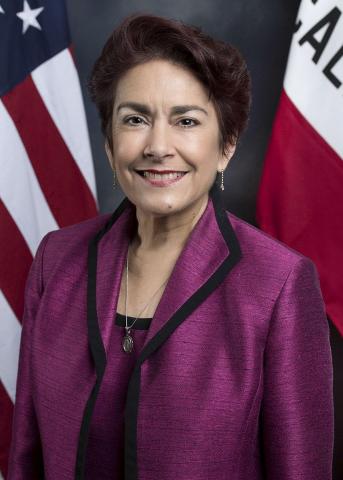
Anna Caballero
100% support rate
Top opponent
Kelly Seyarto
0% support rate
Ranked legislators
10
5 support · 5 oppose
Key legislators

Who's moving violent crime in California

Legislators moving violent crime in California
Legislator Party Stance Support rate Votes
Anna Caballero
Anna Caballero Senate · District 14
D
Strong +
100% 8
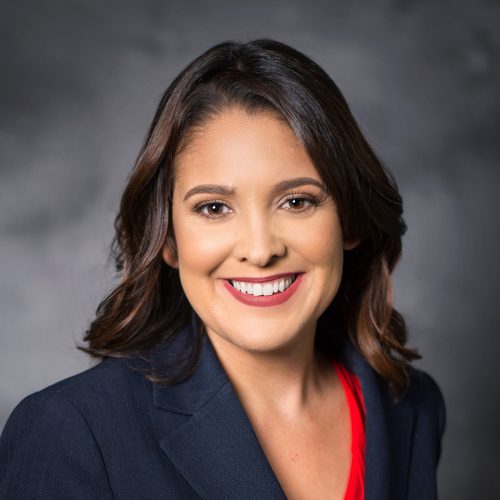
Blanca Pacheco
Blanca Pacheco House · District 64
D
Strong +
100% 7
Aisha Wahab
Aisha Wahab Senate · District 10
D
Strong +
100% 6
JA
Jesse Arreguín Senate · District 7
D
Strong +
100% 6
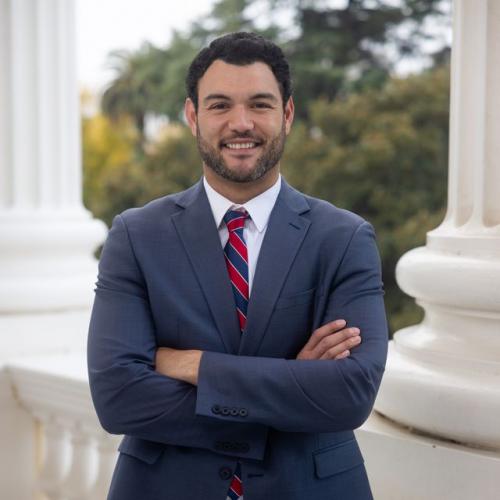
MG
Mark González House · District 54
D
Strong +
100% 6
Kelly Seyarto
Kelly Seyarto Senate · District 32
R
Strong −
0% 9
Diane Dixon
Diane Dixon House · District 72
R
Strong −
0% 7
David Tangipa
David Tangipa House · District 8
R
Strong −
0% 5
Megan Dahle
Megan Dahle Senate · District 1
R
Strong −
0% 5
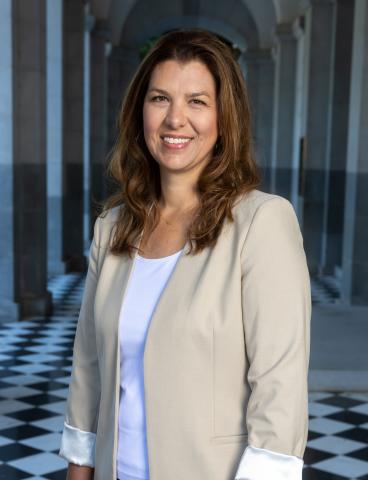
Ali Macedo
Ali Macedo House · District 33
R
Strong −
0% 4
Showing 7 of 7 bills

All criminal justice bills

passed both · California · Assembly Aug 25, 2026

AB 2691: Elections: elective office: felony conviction.

Existing law prohibits the consideration of a person as a candidate for, and provides that the person is not eligible to be elected to, any state or local elective office if the person has been convicted of a felony involving accepting or giving, or offering to give, any bribe, the embezzlement of public money, extortion or theft of public money, perjury, or conspiracy to commit any of those crimes. This bill would additionally prohibit the consideration of a person as a candidate for, and provide that the person is not eligible to be elected to, any state or local elective office if they have been convicted of a felony involving sexual assault or human trafficking, as defined.
in committee · California · Assembly May 21, 2026

AB 1667: Serious felonies: furnishing fentanyl to a minor.

Existing law, as added by the Victims' Bill of Rights, approved as Proposition 8 at the June 8, 1982, statewide primary election, and as amended by the Gang Violence and Juvenile Crime Prevention Act of 1998, approved as Proposition 21 at the March 7, 2000, statewide primary election, among other things, defines a serious felony. Existing law prohibits plea bargaining in a case in which a serious felony is charged and imposes a 5-year enhancement for conviction of a serious felony if the person has previously been convicted of a serious felony. This bill would include knowingly furnishing fentanyl and fentanyl analogs to a minor within the definition of a serious felony. By expanding the scope of an enhancement, this bill would impose a state-mandated local program. The California Constitution requires the state to reimburse local agencies and school districts for certain costs mandated by the state. Statutory provisions establish procedures for making that reimbursement. This bill would provide that no reimbursement is required by this act for a specified reason.
passed · California · Assembly Jun 23, 2026

AB 292: Domestic violence.

Under existing law, a person who willfully inflicts corporal injury resulting in a traumatic condition upon specified persons, including, among others, the offender's spouse or former spouse, is guilty of a crime, punishable by imprisonment in the state prison for 2, 3, or 4 years, or in a county jail for not more than 1 year, or by a fine of up to $6,000. Existing law also provides conditions for probation for a violation of these provisions if the person has a previous conviction of certain assault and battery offenses, as specified. This bill would make this crime punishable by imprisonment in state prison for 2, 4, or 5 years, or by imprisonment and a fine of up to $10,000 if a person is convicted for violating these provisions within 7 years of a previous felony conviction under these provisions. The bill would also, if a person has one prior felony conviction under these provisions, require that the defendant be imprisoned in a county jail for not less than 60 days as a condition of probation. By increasing the penalty for existing crimes, the bill would impose a state-mandated local program. The California Constitution requires the state to reimburse local agencies and school districts for certain costs mandated by the state. Statutory provisions establish procedures for making that reimbursement. This bill would provide that no reimbursement is required by this act for a specified reason.
failed · California · Assembly Feb 2, 2026

AB 1396: Crimes: sexual assault.

Existing law provides that, except as specified, a person who assaults another with the intent to commit, among other things, mayhem, rape, sodomy, or oral copulation, shall be punished by imprisonment in the state prison for 2, 4, or 6 years. Existing law provides that a person who commits those offenses against a person under 18 years of age shall be punished by imprisonment for 5, 7, or 9 years. This bill would additionally punish assault with the intent to commit those specified offenses when committed against a dependent person, as defined, by a caretaker or other adult who has care or custody of the dependent person, if the caretaker or other adult knows or should reasonably know that the victim is a dependent person, with imprisonment for 5, 7, or 9 years. By expanding the definition of a crime, this bill would impose a state-mandated local program. The California Constitution requires the state to reimburse local agencies and school districts for certain costs mandated by the state. Statutory provisions establish procedures for making that reimbursement. This bill would provide that no reimbursement is required by this act for a specified reason.
Sub-Topics Violent Crime
failed · California · Senate Feb 2, 2026

SB 432: Serious felonies: furnishing fentanyl to a minor.

Existing law, as added by the Victims' Bill of Rights, approved as Proposition 8 at the June 8, 1982, statewide primary election, and as amended by the Gang Violence and Juvenile Crime Prevention Act of 1998, approved as Proposition 21 at the March 7, 2000, statewide primary election, among other things, defines a serious felony. 2 3 vote, or by a statute that becomes effective only when approved by the voters."?> Existing law prohibits plea bargaining in a case in which a serious felony is charged and imposes a 5-year enhancement for conviction of a serious felony if the person has previously been convicted of a serious felony. This bill would include knowingly furnishing fentanyl to a minor within the definition of a serious felony. By expanding the scope of an enhancement, this bill would impose a state-mandated local program. The California Constitution requires the state to reimburse local agencies and school districts for certain costs mandated by the state. Statutory provisions establish procedures for making that reimbursement. This bill would provide that no reimbursement is required by this act for a specified reason.
failed · California · Assembly Feb 2, 2026

AB 38: Crimes: serious and violent felonies.

Existing law classifies certain criminal offenses as a "violent felony" for the purposes of various provisions of the Penal Code, including sentencing enhancements for prior convictions, as well as numerous other provisions. Existing law includes among the list of violent felonies rape accomplished against a person's will by means of force, violence, duress, menace, or fear, or rape accomplished against the victim's will by threat of violent retaliation, but does not include rape of a person unable to give consent due to disability, rape under false pretenses, or rape accomplished by threat of incarceration, arrest, or deportation. This bill would also include specified crimes involving the rape or sexual assault of a minor who has a developmental disability in the list of violent felonies. By expanding the scope of an enhancement, this bill would impose a state-mandated local program. The California Constitution requires the state to reimburse local agencies and school districts for certain costs mandated by the state. Statutory provisions establish procedures for making that reimbursement. This bill would provide that no reimbursement is required by this act for a specified reason.
failed · California · Assembly Jun 4, 2025

AB 433: Mental health diversion.

Existing law authorizes the court to grant pretrial diversion to a defendant diagnosed with a mental disorder if the defendant satisfies certain eligibility requirements and if the court determines that the defendant is suitable for diversion. Existing law excludes a defendant from diversion for specified charged offenses, including, among others, murder, voluntary manslaughter, rape, or continuous sexual abuse of a child, as specified. This bill would expand those exclusions to prohibit a defendant from being placed into a diversion program if they are charged with child abuse and endangerment, inflicting cruel or inhuman corporal punishment on a child resulting in an injury, assault of a child under 8 years of age resulting in the death of the child, human trafficking, and any crime that causes great bodily injury, as specified.