Issue · Criminal Justice

Criminal Justice

Every criminal justice bill, vote, and legislator stance in California, automatically classified by Maddy, our AI policy reader.

Total bills
353
2025-2026 Regular Session
Top supporter
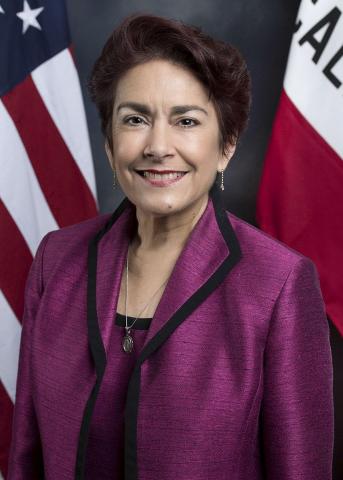
Anna Caballero
92% support rate
Top opponent
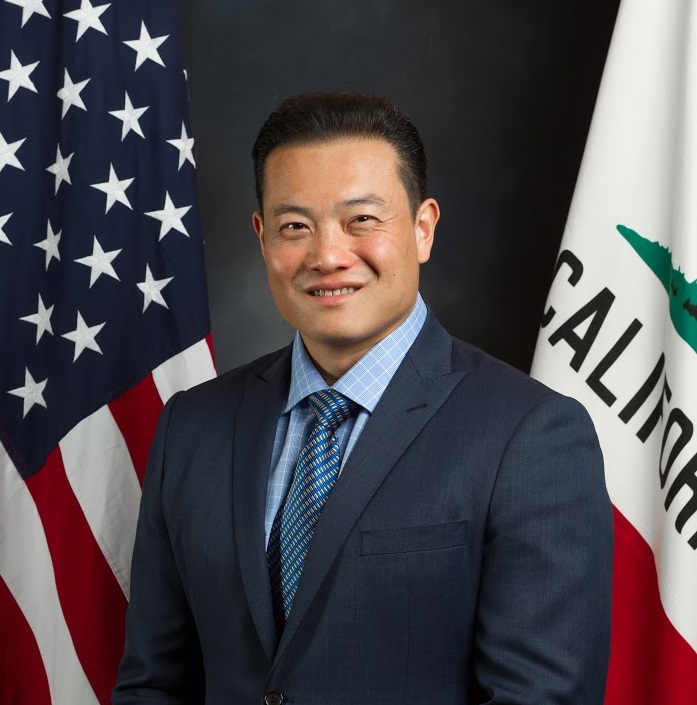
Phillip Chen
8% support rate
Ranked legislators
10
5 support · 5 oppose
Key legislators

Who's moving criminal justice in California

Legislators moving criminal justice in California
Legislator Party Stance Support rate Votes
Anna Caballero
Anna Caballero Senate · District 14
D
Strong +
92% 732
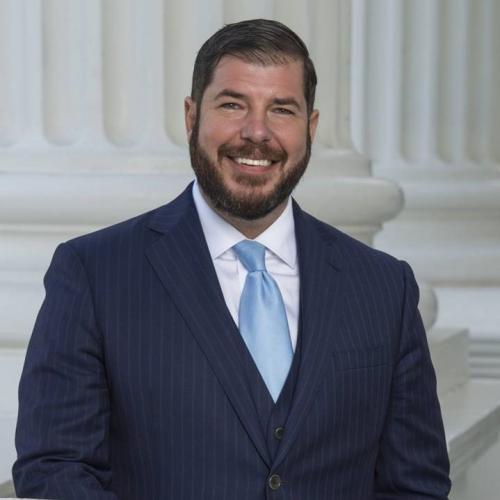
Joaquin Arambula
Joaquin Arambula House · District 31
D
Strong +
92% 528
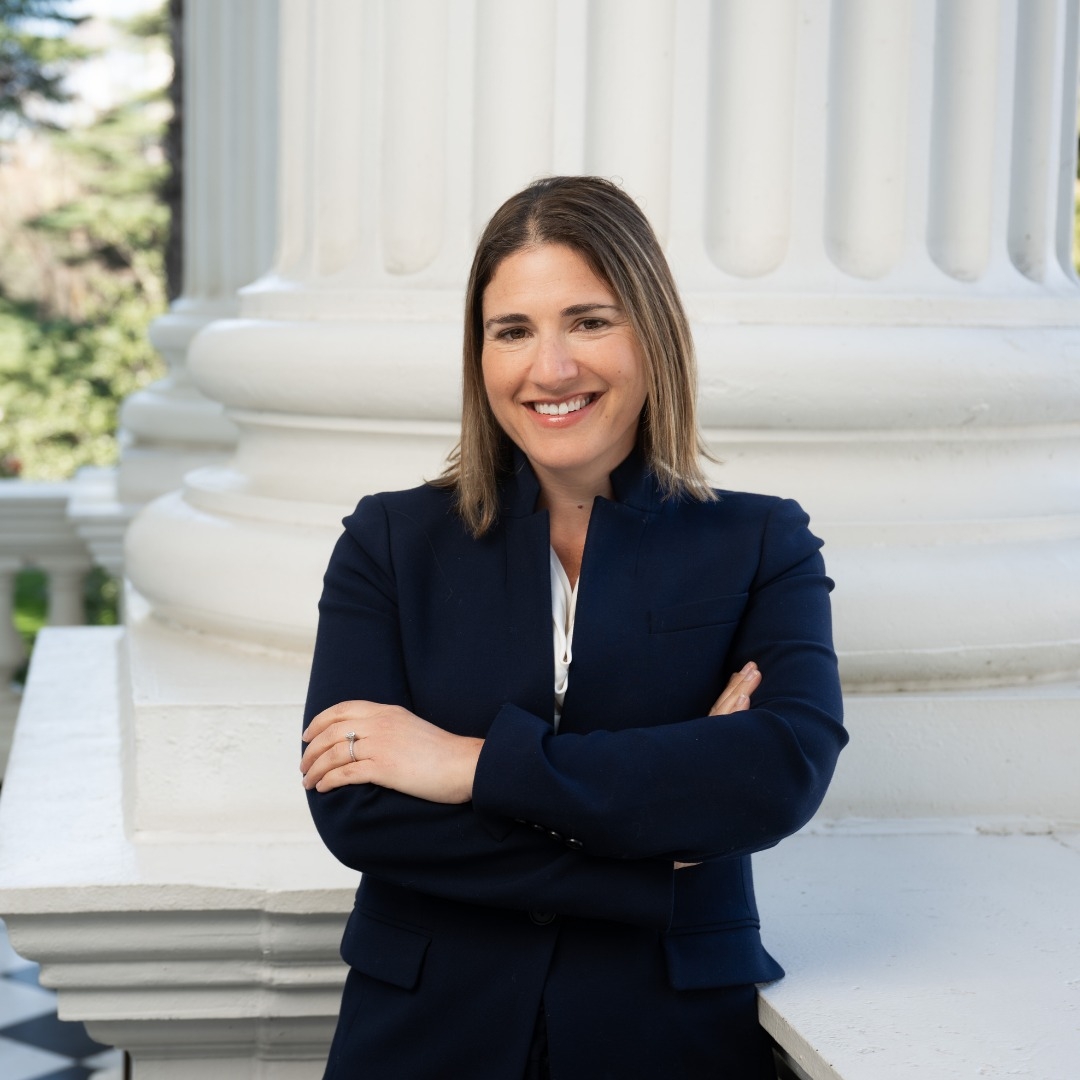
Celeste Rodriguez
Celeste Rodriguez House · District 43
D
Strong +
91% 364
Rebecca Bauer-Kahan
Rebecca Bauer-Kahan House · District 16
D
Strong +
91% 467
Aisha Wahab
Aisha Wahab Senate · District 10
D
Strong +
90% 765
Phillip Chen
Phillip Chen House · District 59
R
Strong −
8% 316
Heath Flora
Heath Flora House · District 9
R
Strong −
11% 275
Brian Jones
Brian Jones Senate · District 40
R
Strong −
11% 398
Carl DeMaio
Carl DeMaio House · District 75
R
Strong −
12% 468
Ali Macedo
Ali Macedo House · District 33
R
Strong −
12% 532
Showing 151–160 of 353 bills

All criminal justice bills

passed both · California · Assembly Aug 27, 2026

AB 1889: Protective orders.

Existing law allows the court to issue a protective order restraining a defendant from any contact with the victim if the defendant has been convicted of a crime of domestic violence, human trafficking, a crime in furtherance of a criminal street gang, or a registerable sex offense. Under existing law, the protective order may be valid for up to 10 years, as determined by the court. This bill would authorize those orders to be valid for up to 10 years, or one year after the person's release from the state prison or a county jail, whichever is later. Existing law authorizes a protective order restraining a person convicted of the crime of battery of specified persons, including a spouse or former spouse, to be valid for up to 15 years. The bill would authorize those orders to be valid for up to 15 years, or one year after the person's release from the state prison or a county jail, whichever is later. By extending the duration of protective orders, a violation of which is punishable as a crime, this bill would impose a state-mandated local program. This bill would incorporate additional changes to Section 136.2 of the Penal Code proposed by SB 1395 and AB 2261, to be operative only if this bill and either or both of those bills are enacted and this bill is enacted last. The California Constitution requires the state to reimburse local agencies and school districts for certain costs mandated by the state. Statutory provisions establish procedures for making that reimbursement. This bill would provide that no reimbursement is required by this act for a specified reason.
in committee · California · Senate Mar 4, 2026

SB 1396: Illegal dumping.

Existing law makes it unlawful to dump waste matter in certain locations, such as upon a public or private highway or road, upon private property without the consent of the owner, or in or upon a public park or other public property, as specified. Existing law also makes it unlawful to place, deposit, or dump rocks, concrete, asphalt, or dirt in certain locations, as specified. A person violating these provisions is guilty of an infraction, as specified. Existing law makes a violation of these provisions in commercial quantities, as defined, a misdemeanor punishable by imprisonment in a county jail and by a fine, as specified. This bill would make technical, nonsubstantive changes to these provisions.
passed both · California · Assembly Aug 26, 2026

AB 2393: False imprisonment: false arrest: remedies.

Existing law prohibits false imprisonment, defined as the unlawful violation of the personal liberty of another. Existing law provides that the measure of damages for the breach of an obligation not arising from a contract is the amount that will compensate for all the detriment proximately caused thereby, whether it could have been anticipated or not, except as expressly provided otherwise. This bill would authorize a prevailing plaintiff in an action based on false imprisonment or false arrest to elect to receive, in lieu of actual damages, $10,000 for each of specified acts committed by the defendant in the perpetration of the false imprisonment or false arrest, as specified. The bill would make defendants liable for the amounts described above for an incident of false imprisonment or false arrest jointly and severally liable and would limit the aggregate award to a person under the above provisions to $250,000 per incident of false imprisonment or false arrest. The bill would exempt causes of action brought against specified parties from the above provisions. The bill would make related findings and declarations and would make its provisions severable.
passed both · California · Assembly Aug 26, 2026

AB 2273: Crimes: SCRIVNER Act.

Existing law provides that any person who willfully and lewdly commits any lewd or lascivious act, including any of the acts constituting other crimes, as provided, upon or with the body, or any part or member thereof, of a child who is under 14 years of age, with the intent of arousing, appealing to, or gratifying the lust, passions, or sexual desires of that person or the child, is guilty of a felony, punishable by imprisonment in the state prison for 3, 6, or 8 years. The bill would require the Department of Justice, upon completion of an investigation of a person who holds an elected office in which the department determines the person committed specified crimes relating to rape, that the victim was a minor, and that the case is appropriate for prosecution, to bring criminal charges against that person within 30 days. Existing law authorizes a court to grant pretrial diversion to a defendant suffering from a mental disorder, on an accusatory pleading alleging the commission of a misdemeanor or felony offense, in order to allow the defendant to undergo mental health treatment. Existing law makes a defendant ineligible for this diversion program if the defendant is charged with specified offenses, including, among other offenses, any sex offense except indecent exposure. This bill would, when the facts alleged in the accusatory pleading or disclosed in the preliminary hearing transcript would constitute an offense for which a defendant would be ineligible for diversion under these provisions, and the defendant has not been charged with those offenses, require the prosecution to state on the record why those charges are not being sought and whether they have conferred with the victim about the charges filed. By increasing duties on prosecutors, this bill would impose a state-mandated local program. This bill would incorporate additional changes to Section 1001.36 of the Penal Code proposed by AB 46 to be operative only if this bill and AB 46 are enacted and this bill is enacted last. The California Constitution requires the state to reimburse local agencies and school districts for certain costs mandated by the state. Statutory provisions establish procedures for making that reimbursement. This bill would provide that, if the Commission on State Mandates determines that the bill contains costs mandated by the state, reimbursement for those costs shall be made pursuant to the statutory provisions noted above.
Sub-Topics Corrections Courts
passed · California · Senate Aug 13, 2026

SCR 118: Relative to the Jeffrey Epstein files.

This measure would make specified statements relating to the release of files involving Jeffrey Epstein and would urge federal and local law enforcement to take immediate action to hold accountable all those who harmed survivors or who were complicit in Epstein's crimes, regardless of elected title, royal title, party affiliation, or economic status.
Sub-Topics Law Enforcement
passed both · California · Assembly Aug 25, 2026

AB 2636: Juveniles.

Existing law subjects a person between 12 and 17 years of age, inclusive, who commits a crime, and a person under 12 years of age who commits specified crimes, to the jurisdiction of the juvenile court, which may adjudge that person to be a ward of the court. Under existing law, as added by the Gang Violence and Juvenile Crime Prevention Act of 1998, approved as Proposition 21 at the March 7, 2000, statewide primary election, a minor may be eligible for deferred entry of judgment if certain circumstances apply, including, among others, that the minor has not previously been declared to be a ward of the court for the commission of a felony offense. Existing law requires, once eligibility is established, the court to determine whether the minor is suitable for deferred entry of judgment and would benefit from education, treatment, and rehabilitation efforts. This bill would require the court to consider whether the minor is charged with an offense of carrying a loaded firearm, as specified, when evaluating suitability of the minor for deferred entry of judgment.
passed · California · Assembly May 13, 2026

ACR 176: Relative to Second Chance Month.

This bill designates April 2026 as Second Chance Month in California to raise awareness about opportunities for individuals reentering society after incarceration. The measure is a ceremonial proclamation that does not alter laws, allocate funding, or change government operations. Its primary purpose is to encourage public recognition of the challenges faced by formerly incarcerated people and to highlight available support resources during that specific month.
Sub-Topics Corrections
passed both · California · Assembly Aug 25, 2026

AB 1905: Juveniles: custodial interrogation.

Existing law prohibits law enforcement officers from employing threats, physical harm, deception, or psychologically manipulative interrogation tactics, as specified, during a custodial interrogation of a person 17 years of age or younger. This bill would prohibit a law enforcement officer from seeking statements or information while working undercover, or by individuals working in collaboration with, or acting as agents of, law enforcement, from a person who was 17 years of age or younger during the commission of crime and who is under 26 years of age while in custody. The bill would direct a court to consider any willful failure of a law enforcement officer in violation of these provisions in determining the credibility of that law enforcement officer. The bill would specify that these provisions do not apply to the admissibility of statements or information provided to an officer or individuals working in collaboration with law enforcement that were sought to protect against an imminent threat to life.
passed both · California · Assembly Aug 30, 2026

AB 2261: Protective orders.

Existing law allows the court to issue a protective order restraining a defendant from any contact with the victim if the defendant has been convicted of specified crimes, including a crime involving domestic violence, human trafficking, a crime in furtherance of a criminal street gang, or a registerable sex offense. This bill would additionally authorize the court to consider issuing an order restraining the defendant from contact with any person who is a member of the victim's family, as defined, or household. By authorizing the issuance of protective orders in certain circumstances and the extension of certain protective orders, a violation of which is punishable as a crime, this bill would impose a state-mandated local program. This bill would incorporate additional changes to Section 136.2 of the Penal Code proposed by AB 1889 to be operative only if this bill and AB 1889 are enacted and this bill is enacted last. The California Constitution requires the state to reimburse local agencies and school districts for certain costs mandated by the state. Statutory provisions establish procedures for making that reimbursement. This bill would provide that no reimbursement is required by this act for a specified reason.
passed both · California · Assembly Aug 26, 2026

AB 1927: Bail Consumer Protection Act.

Existing law generally regulates the business of insurance in the state, including the conduct of insurance licensees, and provides for the issuance of bail licenses under the jurisdiction of the Insurance Commissioner. Existing regulations generally prohibit the solicitation of bail except after a bona fide request for bail services has been received from the arrestee or from another specified person. Existing law makes it a misdemeanor to impersonate certain personnel, including a law enforcement officer or an officer or member of a fire department, with the intent of fraudulently impersonating such a person, or of fraudulently inducing the belief that they are such a person. This bill, the Bail Consumer Protection Act, would make it a crime for any person to impersonate, or falsely hold themselves out to be, a licensed bail agent, and while doing so solicits or attempts to solicit bail from any individual. The bill would also make it a crime for any person to hire another person or company to solicit bail when the person knew or should have known that the other person or company is impersonating or falsely holding themselves out to be a licensed bail agent, and that other person or company solicits or attempts to solicit bail from any individual. By creating a new crime, the bill would impose a state-mandated local program. The California Constitution requires the state to reimburse local agencies and school districts for certain costs mandated by the state. Statutory provisions establish procedures for making that reimbursement. This bill would provide that no reimbursement is required by this act for a specified reason.
Sub-Topics Law Enforcement
Showing 151 to 160 of 353 bills
Previous 1 15 16 17 36 Next