Issue · Criminal Justice

Criminal Justice

Every criminal justice bill, vote, and legislator stance in California, automatically classified by Maddy, our AI policy reader.

Total bills
353
2025-2026 Regular Session
Top supporter
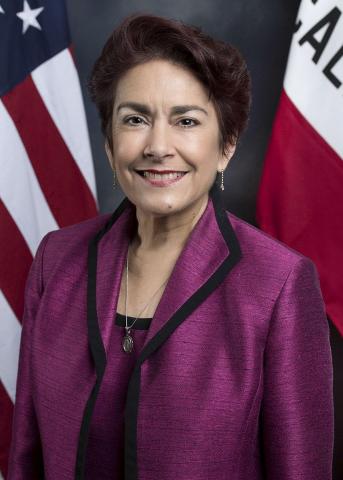
Anna Caballero
92% support rate
Top opponent
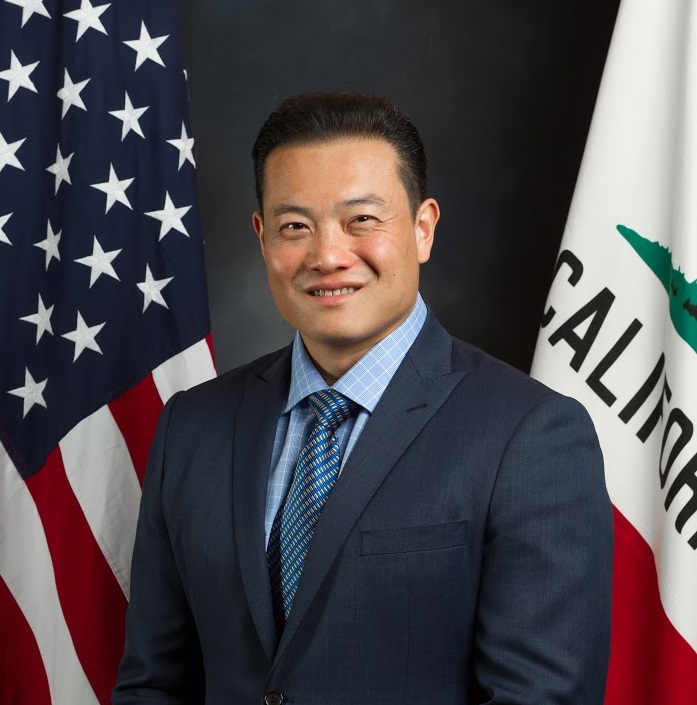
Phillip Chen
8% support rate
Ranked legislators
10
5 support · 5 oppose
Key legislators

Who's moving criminal justice in California

Legislators moving criminal justice in California
Legislator Party Stance Support rate Votes
Anna Caballero
Anna Caballero Senate · District 14
D
Strong +
92% 732
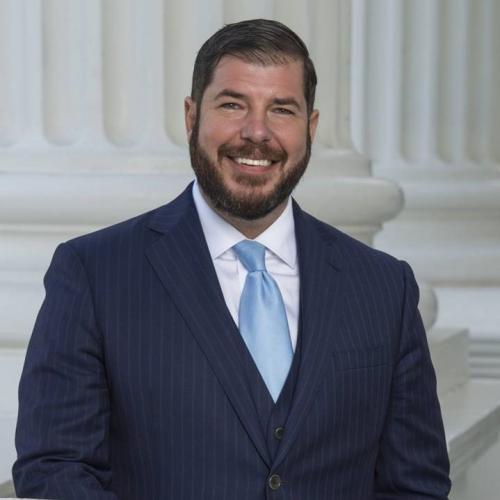
Joaquin Arambula
Joaquin Arambula House · District 31
D
Strong +
92% 528
Celeste Rodriguez
Celeste Rodriguez House · District 43
D
Strong +
91% 364
Rebecca Bauer-Kahan
Rebecca Bauer-Kahan House · District 16
D
Strong +
91% 467
Aisha Wahab
Aisha Wahab Senate · District 10
D
Strong +
90% 765
Phillip Chen
Phillip Chen House · District 59
R
Strong −
8% 316
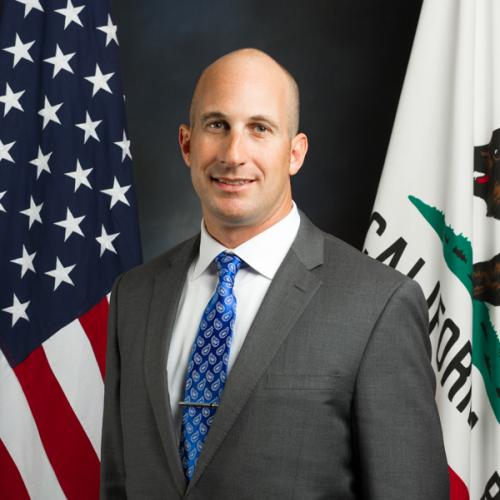
Heath Flora
Heath Flora House · District 9
R
Strong −
11% 275
Brian Jones
Brian Jones Senate · District 40
R
Strong −
11% 398
Carl DeMaio
Carl DeMaio House · District 75
R
Strong −
12% 468
Ali Macedo
Ali Macedo House · District 33
R
Strong −
12% 532
Showing 121–130 of 353 bills

All criminal justice bills

passed both · California · Senate Aug 30, 2026

SB 1367: Planning and zoning: detention facilities.

Existing law authorizes the legislative body of any county or city to adopt ordinances that, among other things, regulate the use of buildings, structures, and land as between industry, business, residences, open space, including agriculture, recreation, enjoyment of scenic beauty, use of natural resources, and other purposes. This bill would prohibit a city or county from approving new land uses in a manner that authorize construction of a detention facility or changes of use that permit use of an existing building as a detention facility, as defined for purposes of these provisions. By adding to the duties of local officials, this bill would impose a state-mandated local program. The bill would include findings that changes proposed by this bill address a matter of statewide concern rather than a municipal affair and, therefore, apply to all cities, including charter cities. The California Constitution requires the state to reimburse local agencies and school districts for certain costs mandated by the state. Statutory provisions establish procedures for making that reimbursement. This bill would provide that no reimbursement is required by this act for a specified reason.
passed both · California · Assembly Aug 27, 2026

AB 2274: Crimes: plea deals.

Existing law prohibits human trafficking, defined as, among other things, violating the personal liberty of another person with the intent to engage in specified sex offenses. Existing law prohibits pimping, defined as deriving support from the earnings of another person's prostitution, and pandering, defined as procuring another for purposes of prostitution or persuading someone to become a prostitute. This bill would, in any prosecution for a violation of those crimes in which the victim was a minor, prohibit any plea agreement, nonprosecution agreement, immunity agreement, anonymity, or other disposition from granting immunity to any person other than the defendant unless that person is specifically named in the written agreement, and the agreement is approved by the court after a hearing in which victims are given notice and an opportunity to be heard. By increasing duties on local prosecutors, this bill would impose a state-mandated local program. The California Constitution requires the state to reimburse local agencies and school districts for certain costs mandated by the state. Statutory provisions establish procedures for making that reimbursement. This bill would provide that, if the Commission on State Mandates determines that the bill contains costs mandated by the state, reimbursement for those costs shall be made pursuant to the statutory provisions noted above.
passed both · California · Assembly Aug 30, 2026

AB 2434: Inmates: visitation.

Existing law requires the Department of Corrections and Rehabilitation, when amending or adopting regulations that may impact the visitation of inmates, to recognize and consider the value of visiting as a means to improve prison safety, the important role of inmate visitation in maintaining connection with family and community, and the role of inmate visitation in preparing for successful release. This bill would require each facility, as defined, to establish at least 3 days of visitation per week. The bill would require a facility, if it will not be open for visitation, to provide notice to the impacted population as soon as possible. The bill would authorize a facility to deny contact visits only for specified reasons, including, among others, possession of contraband or pending or sustained rules violations that result in a restricted housing unit term. The bill would require facility staff to take specified actions with regard to correctable issues with a visitation, including, among other things, allowing the visitor a reasonable opportunity to correct the issue and return to visiting up to one hour before the end of the visiting period. The bill would prohibit denial of visitation if a visitor has traveled more than 170 miles to attend a visit and has not visited within 30 days, unless there has been a finding of a credible and documented security threat. The bill would prohibit a facility from searching visitors without their voluntary, informed, and written consent. The bill would authorize a facility to respond to refusal of that search only with denial of contact visiting for that day, and would require the facility to offer a noncontact visit on the same day, if space is available. The bill would authorize other restrictions and procedures for searches of visitors, as specified.
Sub-Topics Corrections
passed · California · Assembly Aug 25, 2026

AB 2204: Prisons: organized sports programming.

Existing law establishes the Department of Corrections and Rehabilitation to administer the state prison system under the direction of the Secretary of the Department of Corrections and Rehabilitation. Existing California constitutional provisions grant the department the authority to award credits earned for good behavior and approved rehabilitative or educational achievements in order to enhance public safety, improve rehabilitation, and avoid the release of prisoners by federal court order. This bill, the Second Chance Sports Act, would, until January 1, 2036, require the department to formalize, in consultation with specified individuals and organizations, a policy on organized sports programming. The bill would authorize the department to solicit and accept proposals and negotiate and enter into agreements with specified entities for the purposes of expanding access to sports programming as described above. The bill would establish the Second Chance Sports Fund within the State Treasury. The bill would require the department to seek advisement from the Legislature on the priorities for utilizing the moneys in the fund. The bill would make funds available, upon appropriation by the Legislature in the annual Budget Act, for the above-described purposes. The bill would require the Controller, on or before January 1, 2029, and annually thereafter, to provide a report to the Legislature on the amounts deposited into the fund. The bill would make related findings and declarations.
passed · California · Assembly Aug 13, 2026

AB 1681: Victim's and witness' rights.

Existing law establishes specified rights for victims and witnesses of crimes, including to be notified or informed regarding specified court proceedings and inmate placement or parole eligibility. This bill would require the district attorney's office or other prosecuting agency to ensure that the contact information of the victim and the victim's next of kin is provided to the Department of Corrections and Rehabilitation at the time of sentencing in cases that result in a sentence to state prison, to the extent that contact information is reasonably available. By increasing the burdens on local prosecuting agencies, this bill would impose a state-mandated local program. The California Constitution requires the state to reimburse local agencies and school districts for certain costs mandated by the state. Statutory provisions establish procedures for making that reimbursement. This bill would provide that, if the Commission on State Mandates determines that the bill contains costs mandated by the state, reimbursement for those costs shall be made pursuant to the statutory provisions noted above.
signed · California · Assembly Jun 30, 2026

AB 2286: Criminal procedure: attorney visits: medical settings.

Existing law requires a person arrested to be taken before a magistrate without delay and, in any event, within 48 hours after arrest, not including weekends and holidays, as specified. Existing law allows an attorney to visit a prisoner after their arrest, as specified. Under existing law, an officer in charge of the prisoner who willfully refuses or neglects to allow an attorney to visit that prisoner is liable for criminal and civil penalties, as provided. This bill would clarify that the above provisions regarding criminal and civil penalties for officers apply if a prisoner is in a jail, prison, or medical setting. The bill would make other technical changes, as provided.
Sub-Topics Corrections Judges
failed · California · Assembly Apr 20, 2026

AB 1782: Incarcerated persons: mental health evaluations.

Existing law requires that, as a condition of parole, a prisoner who has a severe mental health disorder be treated by the State Department of State Hospitals if the prisoner meets certain requirements, including, among others, that the severe mental health disorder was one of the causes of, or was an aggravating factor in, the commission of a specified crime for which the prisoner was sentenced to prison, and that prior to release on parole, the prisoner has been evaluated, as specified, and the chief psychiatrist of the Department of Corrections and Rehabilitation has certified that the prisoner has a severe mental health disorder, that the disorder is not in remission or cannot be kept in remission without treatment, that the severe mental health disorder was one of the causes or was an aggravating factor in the prisoner's criminal behavior, that the prisoner has been in treatment for the severe mental health disorder for 90 days or more within the year prior to the prisoner's parole release day, and that by reason of the prisoner's severe mental health disorder, the prisoner represents a substantial danger of physical harm to others. This bill would instead require the chief psychiatrist of the Department of Corrections and Rehabilitation to certify that the prisoner meets three of the following criteria: a severe mental health disorder, the disorder is not in remission or cannot be kept in remission without treatment, the severe mental health disorder was one of the causes or was an aggravating factor in the prisoner's criminal behavior, the prisoner has been in treatment for the severe mental health disorder for 90 days or more within the year prior to the prisoner's parole release day, and by reason of the prisoner's severe mental health disorder, the prisoner represents a substantial danger of physical harm to others. The bill would include sexual harassment and battery under physical harm.
passed both · California · Senate Aug 21, 2026

SB 1307: False or forged instruments.

Existing law makes it a felony to knowingly procure or offer a false or forged instrument to be filed, registered, or recorded in a public office in this state, which, if genuine, might be filed, registered, or recorded under any law of this state or the United States. After a person is convicted of that crime or a specified waiver is obtained, and upon written motion of the prosecuting agency, existing law requires the court to issue a written order that the false or forged instrument be adjudged void ab initio. Existing law prescribes procedures for a prosecuting agency to file that motion. The California Constitution provides for the right to truth in evidence, which requires a 23 vote of the Legislature to exclude any relevant evidence from any criminal proceeding, as specified. This bill would authorize a defendant who is granted diversion to stipulate to the voiding of the false or forged instrument. The bill would authorize a court in those circumstances, upon a motion by the prosecution, to issue a written order that the false or forged instrument be adjudged void ab initio. The bill would, if the defendant withdraws from diversion or fails to complete the terms of diversion and criminal proceedings are reinstated, prohibit the stipulation from being used in connection with any civil or criminal proceeding without the defendant's consent. Because that prohibition would affect the admissibility of relevant evidence in criminal proceedings, the bill would require a 23 vote of the Legislature.
Sub-Topics Courts
passed both · California · Assembly Aug 30, 2026

AB 2664: Places of religious worship: unlawful activities.

Existing law makes it a crime to, by force, threat of force, or physical obstruction that is a crime of violence, intentionally injure, intimidate, interfere with, or attempt to injure, intimidate, or interfere with any person lawfully exercising or seeking to exercise the First Amendment right of religious freedom at a place of religious worship. This bill would make it unlawful for a person to, within a radius of 100 feet from an entrance or exit of a place of religious worship, as defined, intentionally approach another person seeking to enter or exit a place of religious worship within 8 feet of that person to either pass a leaflet or handbill to, display a sign to, or engage in oral protest or education or to harass, obstruct, threaten, or intimidate the person or occupant. The bill would, for the purposes of determining that distance, measure from the body of the person seeking to enter or exit, or the exterior of a motor vehicle they occupy, to the body of, or any sign or object held by, the other person. The bill would prescribe specified fines, imprisonment, or fine and imprisonment for a violation of these provisions. By creating a new crime, the bill would impose a state-mandated local program. The California Constitution requires the state to reimburse local agencies and school districts for certain costs mandated by the state. Statutory provisions establish procedures for making that reimbursement. This bill would provide that no reimbursement is required by this act for a specified reason.
passed both · California · Assembly Aug 26, 2026

AB 1994: Defending Immigrant Victims Act.

Existing law, as added by Proposition 9, the Victims' Bill of Rights Act of 2008: Marsy's Law (Marsy's Law) , at the November 4, 2008, statewide general election, requires a law enforcement agency investigating a criminal act and an agency prosecuting a criminal act to, at the time of initial contact with a crime victim, during followup investigation, or as soon thereafter as deemed appropriate, provide or make available to the victim a "Marsy Rights" card that contains the constitutional rights of crime victims without charge or cost to the victim. Marsy's Law provides that its provisions shall not be amended by the Legislature except by a statute passed in each house by rollcall vote entered in the journal, 34 of the membership of each house concurring. Marsy's Law also provides that the Legislature may amend its provisions to expand the scope of its application, to recognize additional rights of victims of crime, or to further the rights of victims of crime by a statute passed by a majority vote of the membership of each house. Existing law requires a law enforcement agency investigating a criminal act and an agency prosecuting a criminal act to, at the time of initial contact with a crime victim, during followup investigation, or as soon thereafter as deemed appropriate by investigating officers or prosecuting attorneys, inform each victim of the rights they have under applicable law relating to the victimization and provide each victim without charge or cost a "Victim Protections and Resources" card. Existing law requires the Attorney General to design and make available in PDF or other imaging format this card with specified information on the card, including information about federal immigration relief available to certain victims of crime. Commencing no later than January 1, 2028, this bill, the Defending Immigrant Victims Act, would require a law enforcement agency investigating a criminal act and an agency prosecuting a criminal act, at the time of initial contact with a crime victim, during followup investigation, or as soon thereafter as deemed appropriate by investigating officers or prosecuting attorneys, to inform each victim, the victim's next of kin if the victim is deceased, or the victim's parent or guardian if the victim is a minor of the rights they may have under applicable law relating to immigration relief. The bill would require a law enforcement agency and a prosecuting agency to provide a victim an "Immigrant Victims Rights and Resources" card that would provide specified information pertaining to the victim's rights, including a statement explaining how to consult an immigration attorney to help determine eligibility for immigration relief. The bill would require the Attorney General, by January 1, 2028, to design the card and make it available in English, Spanish, and any other language in which the "Marsy Rights" card is currently translated, and in a PDF or other imaging format, to law enforcement agencies and agencies prosecuting crimes, as specified. Because this bill would result in additional duties on local law enforcement and prosecuting agencies in informing victims, this bill would impose a state-mandated local program. This bill would make a conforming change. The California Constitution requires the state to reimburse local agencies and school districts for certain costs mandated by the state. Statutory provisions establish procedures for making that reimbursement. This bill would provide that, if the Commission on State Mandates determines that the bill contains costs mandated by the state, reimbursement for those costs shall be made pursuant to the statutory provisions noted above.
Showing 121 to 130 of 353 bills
Previous 1 12 13 14 36 Next