Maddy summaryThis bill would prohibit any state or local government designated as a "sanctuary jurisdiction" from receiving grant funds distributed by the Department of Housing and Urban Development (HUD). A jurisdiction is defined as a sanctuary if it has laws, policies, or practices that restrict officials from sharing information about an individual's immigration status or from complying with federal requests to detain or notify about the release of individuals. The funding restriction would apply to grants distributed 180 days after the bill's enactment. To determine which jurisdictions qualify for this ineligibility, the HUD Secretary is required to consult with the Secretary of Homeland Security.
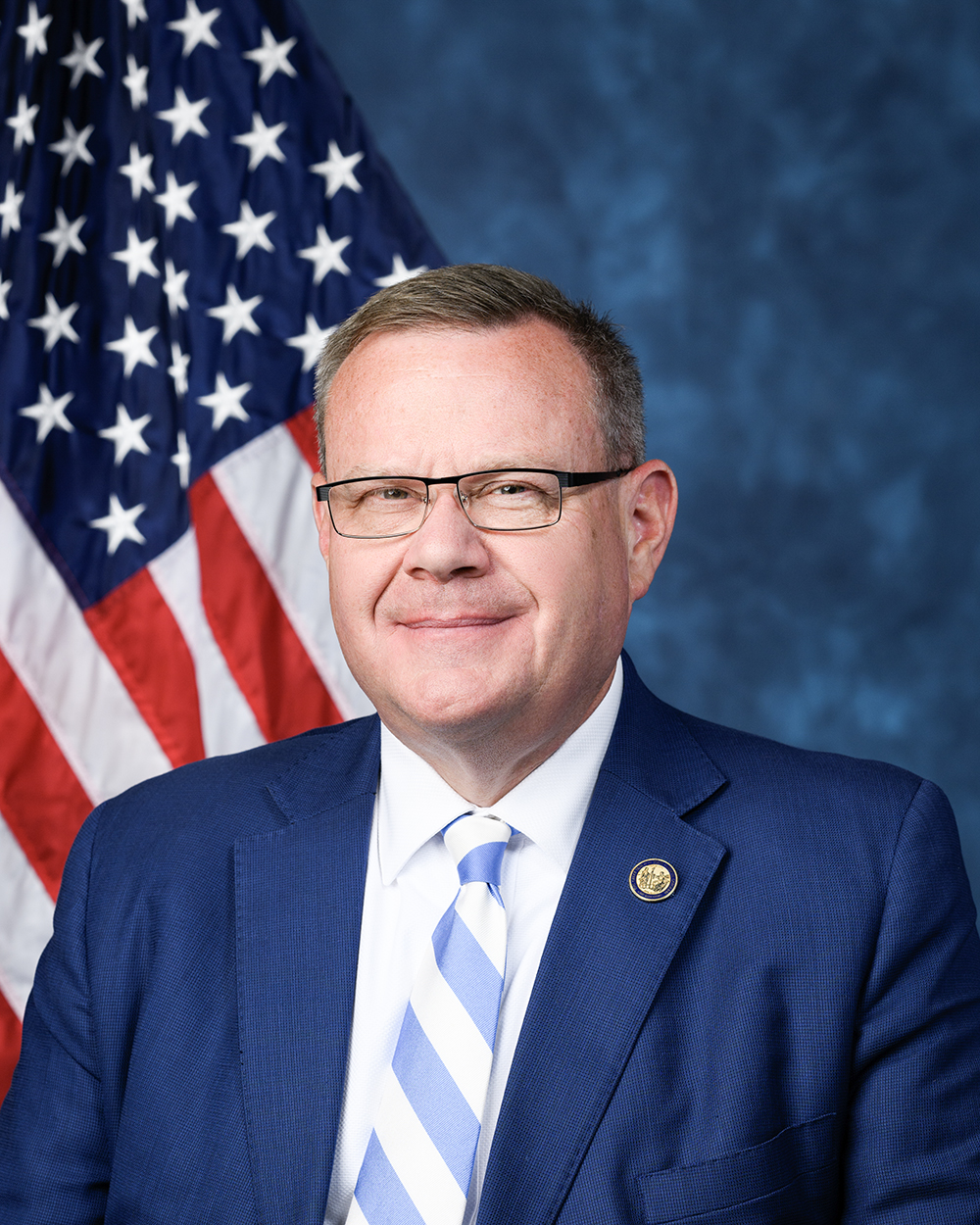
Rep. Tim Moore
Sponsored bills
Maddy summaryThis bill clarifies that certain personal services entities owned by registered stockbrokers are not automatically considered "brokers" under securities law, if specific conditions are met. It directly affects registered representatives who own personal services entities (like independent contractor firms) and their brokers. Key provisions require brokers to control payment details, prevent entities from advertising as brokers, maintain written agreements, restrict ownership to the representative or immediate family, and preserve required records for oversight. The change aims to eliminate regulatory confusion for small, representative-owned entities without altering core broker-dealer rules.
Maddy summaryThe Army Quantum Readiness Act requires the Secretary of the Army to establish a new initiative focused on integrating quantum computing and advanced technologies into military operations, intelligence, and logistics. This initiative aims to identify practical applications for these technologies, assess necessary infrastructure upgrades such as power and cybersecurity, and develop strategies for training the required workforce. The bill also authorizes the creation of pilot projects and demonstration activities to test quantum-enabled tools, including artificial intelligence and secure networking. Finally, it mandates that the Secretary submit a detailed report to Congress within 270 days outlining readiness requirements, recommended investments, and necessary legislative changes to accelerate this transition.
Maddy summaryThis House resolution commemorates the 100th anniversary of American Legion Baseball and its World Series, which began in 1926. It specifically honors the city of Shelby, North Carolina, for serving as the permanent host location for the national championship tournament since 2011. The bill recognizes the contributions of local volunteers, coaches, and residents who have supported the event at Veterans Field at Keeter Stadium. Additionally, it reaffirms the program's role in fostering sportsmanship and patriotism among young athletes while honoring military service.
Maddy summaryThe HUD Disaster Information Improvement Act requires the Secretary of Housing and Urban Development to enter into a data-sharing agreement with the Federal Emergency Management Agency and the Small Business Administration. This collaboration aims to improve efficiency and reduce waste, fraud, and abuse in federal disaster recovery programs by allowing these agencies to exchange relevant relief data. Additionally, the bill mandates that the HUD Secretary submit a report to Congress within 180 days of enactment detailing opportunities for further cooperation among these three organizations.
Maddy summaryThis bill reauthorizes and expands the Accelerating Access to Critical Therapies for ALS Act through 2031, extending funding for research into treatments for amyotrophic lateral sclerosis. It requires drug manufacturers to share interim clinical trial data with the FDA to better assess the progress of investigational drugs and clarifies that phase 3 clinical trial definitions include combined phase 2/3 trials and planned trials not yet enrolling participants. The legislation also mandates the FDA to publish an updated five-year action plan for ALS and other rare neurodegenerative diseases, including resource needs and coordination strategies with broader disease communities. Additionally, the bill requires the Government Accountability Office to submit a report on the program's implementation four years after enactment.
Maddy summaryThe Lawful Hemp Protection Act establishes a comprehensive federal regulatory framework for hemp-derived cannabinoid products to ensure safety, quality, and consumer protection. It defines specific hemp products, prohibits the sale of items containing artificially modified cannabinoids like HHC or THCP, and mandates strict labeling requirements including THC milligram counts and health warnings. The bill creates a new tax on these products, requires manufacturers and wholesalers to obtain federal permits, and enforces a three-tiered distribution system for hemp beverages to prevent market consolidation. Additionally, it allows Medicare Advantage plans to cover these products for chronically ill patients and directs funds toward impaired driving enforcement and consumer safety oversight.
Maddy summaryThe Main Street Capital Access Act reduces regulatory burdens for smaller banks, particularly those with less than $10 billion in assets. Key provisions include a 3-year phase-in period for new banks to meet capital requirements, lower leverage ratio requirements for rural banks (7.5% for the first 2 years), and a 30-day review process for business plan deviations. The bill also establishes an Office of Independent Examination Review, sets specific timelines for examinations (270 days) and reports (90 days), and creates a "least cost exception" for bank resolutions to prevent excessive concentration of the banking system. These changes aim to promote new bank formation, improve regulatory efficiency, and support community banking while maintaining financial stability.
Maddy summaryThis bill, known as the STOP Nitazenes Act, directs the federal government to permanently classify nitazenes and related synthetic opioids as Schedule I controlled substances, placing them in the same legal category as heroin and fentanyl. The legislation specifically targets a broad range of chemical compounds, including etonitazene and other variants, by defining them as 2-benzylbenzimidazole opioids and requiring the Attorney General to publish a list of qualifying substances. Under the bill, any nitazene substance temporarily scheduled under emergency provisions would be made permanently scheduled upon enactment, ensuring long-term federal control. The law also mandates that the Attorney General issue implementing rules within one year, allowing for immediate interim enforcement while providing opportunities for public comment before final regulations are established.
Maddy summaryHR 6213, the Heat Workforce Standards Act of 2025, prohibits the U.S. Department of Labor from finalizing, implementing, or enforcing OSHA's proposed "Heat Injury and Illness Prevention" standard (published August 30, 2024). This bill directly blocks the specific regulatory proposal targeting heat safety in both outdoor and indoor work settings. It does not create new requirements or affect workers; it solely prevents the implementation of the existing OSHA proposal. The bill is procedural, focusing on halting a regulatory action rather than establishing new policy.