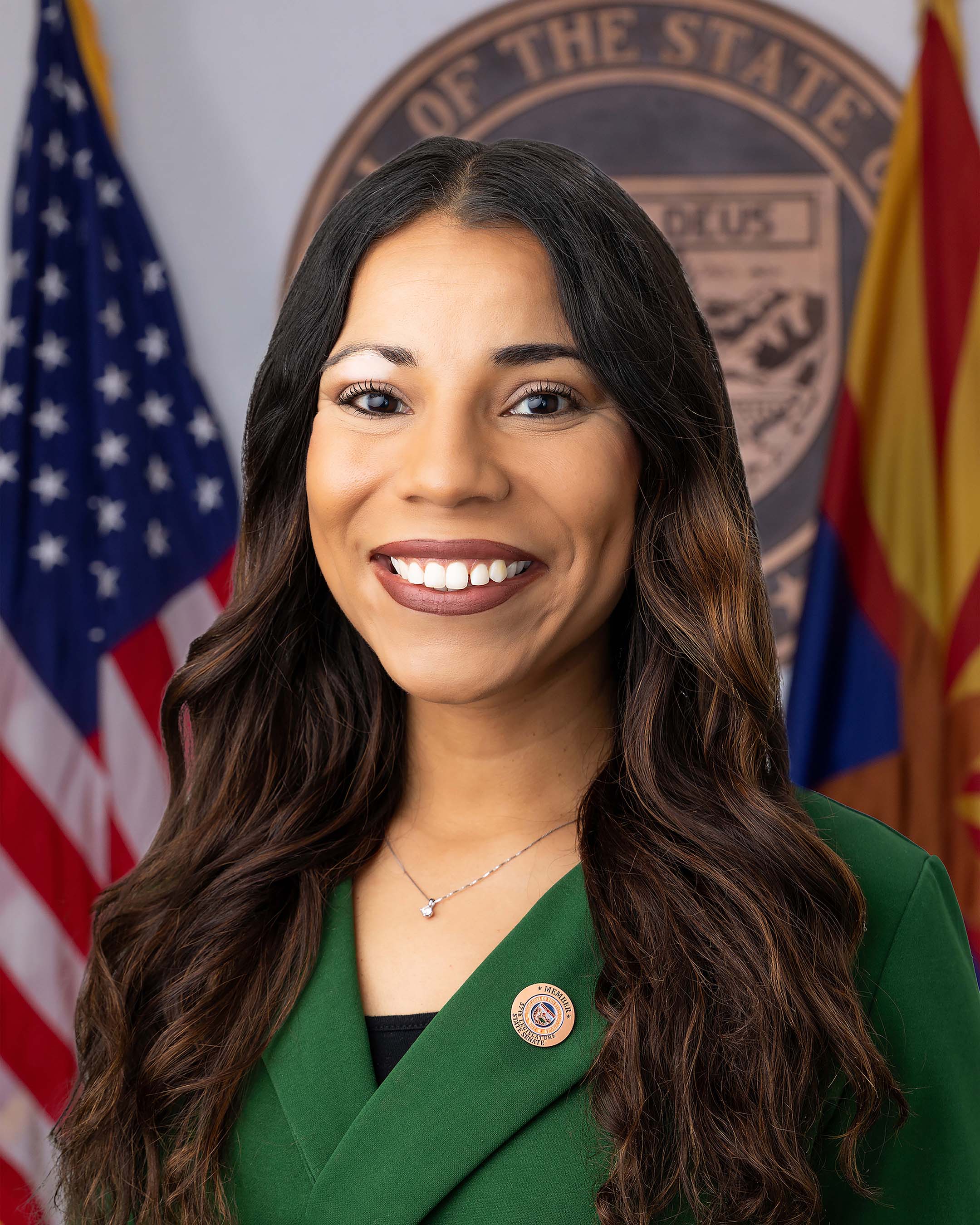
HB 2327 allows eligible individuals facing safety risks to request that their personal identifying information - such as full name, residential address, and property details - be removed from publicly accessible county property records. It specifically applies to victims of harassment or domestic violence (with court-ordered protection), certain public officials (like peace officers), and others who can demonstrate a credible threat to their safety. To qualify, applicants must submit a detailed affidavit to the court, including proof of danger, and a judge must approve the request before county recorders restrict public access for up to five years. This bill directly affects individuals seeking to protect their privacy from potential harm, while maintaining public access to property records for others.
SB 1564 requires assisted living facilities and nursing care institutions in Arizona to disclose during license applications and renewals whether residents may install electronic monitoring devices (like audio/video recording devices) in their rooms. The state department must then publicly post this information on its website. The bill defines "electronic monitoring" as devices recording or transmitting sounds/activity to residents or their authorized representatives, and specifies that devices must be fixed or installed in the resident's space. This law applies directly to long-term care facilities and residents seeking to use such monitoring technology.
SB 1038 requires Arizona county recorders to publish, within one hour after polls close, a public record containing every voter's name, voter ID number, political party registration (if listed), and their specific vote choice in an organizable format. This law directly affects voters by making their individual voting choices publicly accessible and county election officials by mandating this immediate disclosure. The bill prohibits altering or randomizing the original voting records, ensuring the published data matches the election results exactly. It overrides existing privacy protections to make detailed voting data a permanent public record.
SCR 1004 is a resolution that, if approved by Arizona voters, would prohibit the use of photo enforcement systems for traffic law enforcement. The bill defines "photo enforcement system" as a device using radar or sensors linked to a camera to capture license plate images for identifying traffic violations. It amends Arizona Revised Statutes to repeal existing provisions permitting such systems and adds a new prohibition. This measure would directly affect law enforcement agencies and drivers by banning automated traffic ticketing without an officer present.
SB 1798 establishes a two-year pilot program for Arizona school districts with 80-85 schools (covering kindergarten through 12th grade) to install camera-based safety systems that detect registered sex offenders, individuals with criminal records, or "individuals of concern" designated by schools or law enforcement. The system must issue alerts within 60 seconds after analyst review, while strictly prohibiting the storage of video, audio, biometric data, or live monitoring to comply with privacy laws. The bill appropriates $2 million from the state general fund for this program, which expires December 31, 2027, and requires a report on implementation to state leaders. It directly affects participating school districts by mandating specific safety technology with built-in privacy safeguards.
HB 2975 prohibits Arizona's state land department from using solar scores or similar tools in land decisions starting from its effective date. The bill requires the department to develop two new resource scoring maps within two years: one for mining (considering known resources) and one for housing (considering development needs). These maps must be created with input from relevant industries and will guide the department’s land use planning and five-year disposal plans. The department must also submit updated maps to state leaders, including the governor and legislative leaders. This bill directly affects how Arizona manages state lands for mining, housing, and renewable energy projects.
HB 2307 is a technical correction to Arizona's critical infrastructure protection law. It amends Section 41-1805 of the Arizona Revised Statutes to clarify that state/local government employees and entities handling critical infrastructure information face a class 5 felony charge if they knowingly disclose protected information without authorization. The bill specifically targets unauthorized disclosure of critical infrastructure data defined under Section 41-1801, reinforcing existing penalties without creating new requirements. This is a procedural update to the legal text, not a substantive policy change.
HB 2202 appropriates $300,000 annually from 2026-2029 to fund a dementia care telementoring program for Arizona healthcare providers. The program, administered by the Department of Health Services, will provide virtual mentoring sessions focused on dementia detection, diagnosis, and care management, with priority for rural and underserved communities. Grant recipients must offer case-based sessions, continuing education credits, and report participation data. The program expires December 31, 2029, after which the funding will no longer be available.
HCR 2004 is a proposed referendum measure that would prohibit the use of photo enforcement systems for traffic violations in Arizona. It defines "photo enforcement system" as devices combining radar/sensors with cameras to capture license plate images for identifying traffic lawbreakers. If approved by voters, this measure would amend Arizona law to ban such systems, directly affecting law enforcement agencies and traffic enforcement practices. The resolution requires voter approval to become law, as stated in its preamble.
Arizona's HB 2451 establishes the Arizona Space Commission to advance the state's space industry. The commission's board of directors - appointed by the governor, senate president, and house speaker - must include members with aerospace experience, advanced degrees in space-related fields, or startup backgrounds. The board is required to create an annual strategic plan detailing specific projects, their estimated costs, and available funding sources to strengthen Arizona's civil, commercial, and military space sectors. This plan must be updated yearly and submitted to state leaders by December 31 of even-numbered years, starting in 2026.