Issue · Labor & Employment

Labor & Employment

Every labor & employment bill, vote, and legislator stance in Arizona, automatically classified by Maddy, our AI policy reader.

Total bills
136
57th Legislature - Second Regular Session
Top supporter
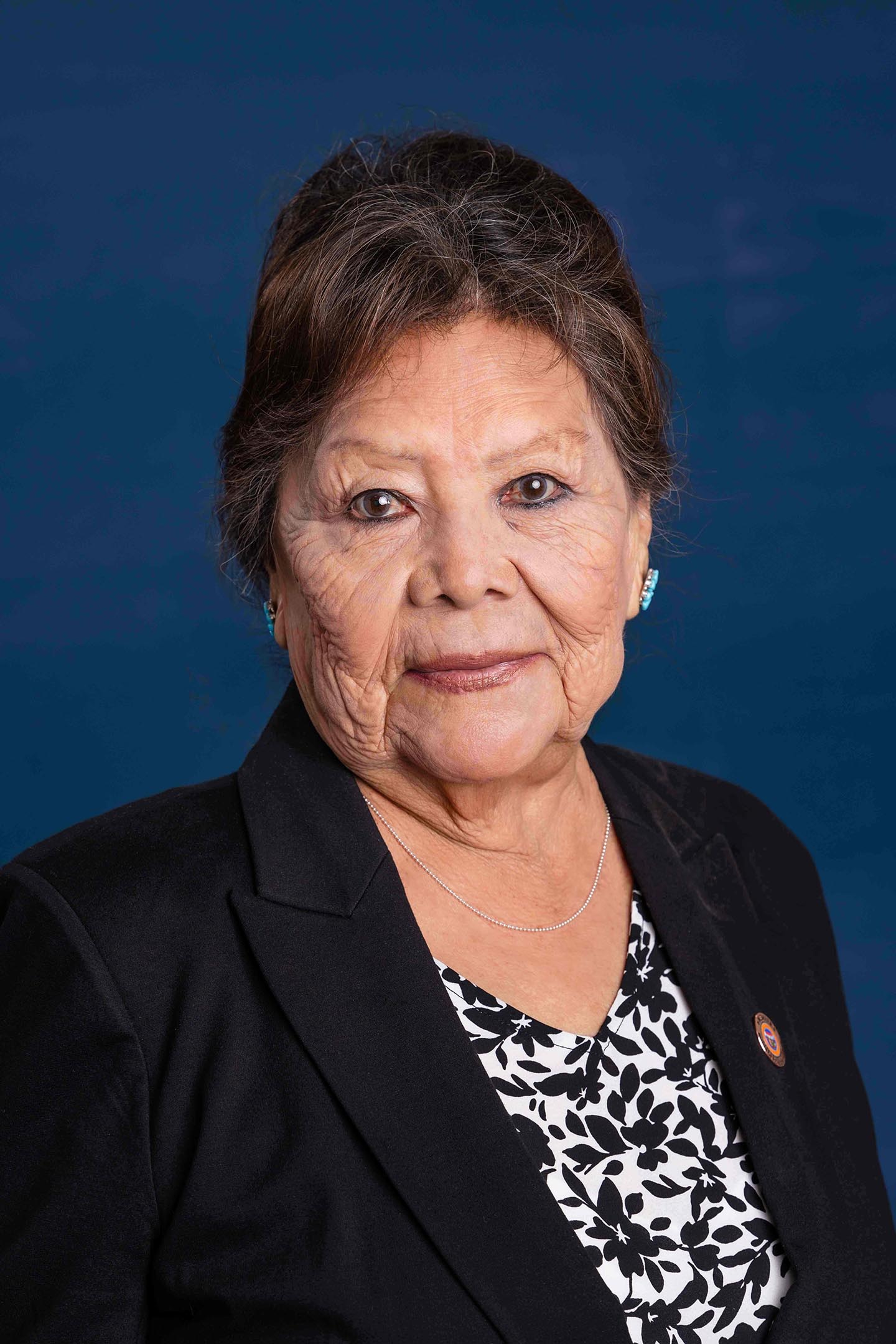
Mae Peshlakai
100% support rate
Top opponent
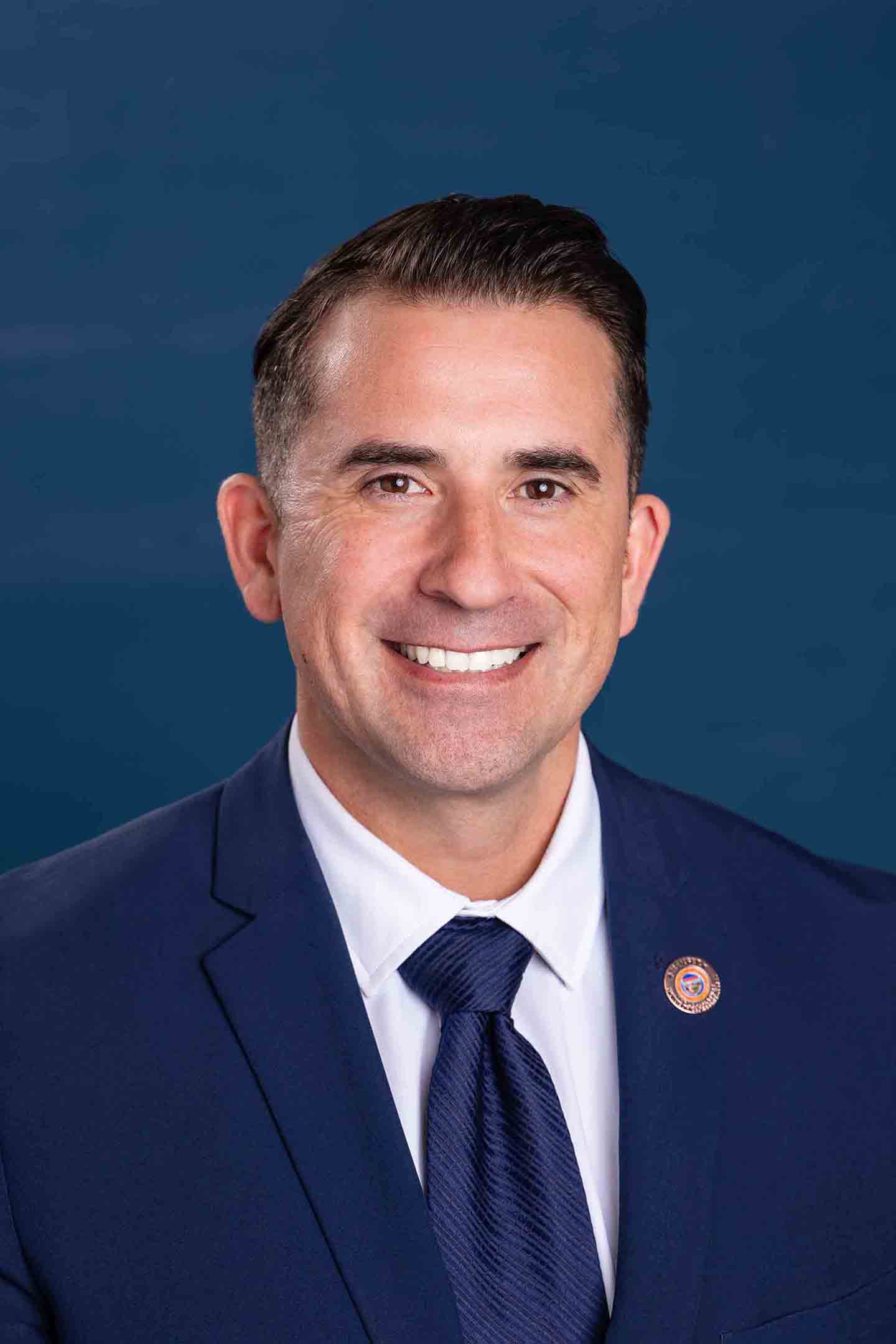
Michael Way
5% support rate
Ranked legislators
10
5 support · 5 oppose
Key legislators

Who's moving labor & employment in Arizona

Legislators moving labor & employment in Arizona
Legislator Party Stance Support rate Votes
Mae Peshlakai
Mae Peshlakai House · District 6
D
Strong +
100% 121
Janeen Connolly
Janeen Connolly House · District 8
D
Strong +
100% 135
Nancy Gutierrez
Nancy Gutierrez House · District 18
D
Strong +
100% 123
Aaron Marquez
Aaron Marquez House · District 5
D
Strong +
96% 170
Sarah Liguori
Sarah Liguori House · District 5
D
Strong +
96% 173
Michael Way
Michael Way House · District 15
R
Strong −
5% 161
Justin Olson
Justin Olson House · District 10
R
Strong −
9% 173
Alex Kolodin
Alex Kolodin House · District 3
R
Strong −
9% 170
Laurin Hendrix
Laurin Hendrix House · District 14
R
Strong −
12% 123
Rachel Keshel
Rachel Keshel House · District 17
R
Strong −
13% 169
Showing 11–20 of 136 bills

All labor & employment bills

vetoed · Arizona · Senate Jun 19, 2026

SB 1670: municipalities; counties; occupation; licensure; prohibition

SB 1670 establishes state preemption over occupational licensing for certain trades in Arizona, preventing municipalities and counties from imposing additional licensing requirements beyond the state system. It specifically prohibits local governments from requiring a "journeyman license" for workers already covered under state licensing (Title 32, Chapter 10), except for five occupations: plumbing, pipe fitting, mechanical trades, HVAC installation, and electrical/alarm system trades. The bill defines "licensure" broadly to include any training, test, or fee beyond basic state requirements, but limits local authority to only those five specified trades. This directly affects contractors and workers in those fields by standardizing licensing rules across the state.
Sub-Topics Apprenticeships Professional Licensing Tags Licensing
introduced · Arizona · Senate Feb 10, 2026

SB 1795: worker's compensation; database; notice; commission

SB 1795 requires Arizona's workers' compensation commission to create a public database containing employer and insurer details, including policy expiration dates. Employers and insurers must submit policy information, including a QR code linking to the database, and employers claiming "zero exposure" (no employees) must provide written verification. Construction contractors with zero-exposure policies must also give written notice to their clients, who must keep this documentation for three years. The bill applies to new insurance contracts entered after its effective date.
introduced · Arizona · House Feb 10, 2026

HB 4015: prisoners; contracts; telecommute

HB 4015 amends Arizona law to establish a new category of prison labor: telecommuting contracts between private companies and the state prison system. It requires a minimum wage of $2.00 per hour for prisoners working remotely under these contracts, higher than the standard $1.50 limit for regular prison labor. This directly affects prisoners participating in private telecommuting programs, who will receive higher compensation but remain classified as non-employees without workers' compensation rights. The bill also updates deduction rules for earnings from these contracts, including mandatory contributions to transition programs and court costs.
Sub-Topics Minimum Wage
introduced · Arizona · House Feb 12, 2026

HB 4089: worker retention; requirements; state contracts

HB 4089 requires contractors working on Arizona state service contracts (covering retail, food, hotel, janitorial, and healthcare services) to offer jobs to employees of the previous contractor within 10 days of taking over. It mandates a 90-day transition period during which contractors must retain eligible workers based on seniority, provide written job offers with a 10-day response window, and maintain a hiring list for remaining positions. The bill bars contractors from retaliating against employees who report violations or help investigate compliance. It directly affects workers in covered service sectors who performed at least 12 months of qualifying work under the previous contract, excluding managers and airline staff.
introduced · Arizona · House Feb 12, 2026

HB 4126: individual savings plan program; appropriation

HB 4126 establishes Arizona's state-run retirement savings program, targeting private-sector employees without access to employer-sponsored retirement plans (excluding government workers, railroad employees, and those in existing tax-qualified plans). The bill creates an Arizona Retirement Savings Board to manage the program, allowing workers to contribute to individual retirement accounts (IRAs) through automatic payroll deductions. Key provisions include requiring the Board to develop investment policies, partner with private administrators, and ensure federal tax compliance for the program. The title references "appropriation" as future funding would be authorized separately, but the bill itself only sets up the program framework.
introduced · Arizona · House Feb 12, 2026

HB 4135: income tax; credit; child care

HB 4135 creates a new child care tax credit for Arizona taxpayers with children under five who use certified child care providers. The credit provides $2,000 per child for families with federal adjusted gross income of $75,000 or less, and $1,000 for incomes between $75,000 and $150,000 annually. A total of $15 million in credits is available each year on a first-come, first-served basis, with excess credits paid as refunds. The credit applies to tax returns filed for 2026 and later, supporting working families seeking quality early childhood care.
Sub-Topics Income Tax Tax Credits
introduced · Arizona · Senate Jan 26, 2026

SB 1301: business relocation; notice; penalty

SB 1301 requires large Arizona employers (50+ full-time equivalent employees) that receive state subsidies to notify the state 120 days before relocating out of state or abroad. Employers violating this notice requirement face daily civil penalties up to $10,000. Relocating businesses lose eligibility for state subsidies for five years and must repay unamortized subsidies received, though the Commerce Authority may grant exceptions to prevent job losses or economic harm. The bill also mandates that state contractors must perform all state-related work within Arizona, with a transition deadline of November 2027 for existing contractors. It directly affects businesses receiving state subsidies who relocate, ensuring accountability for public funds.
introduced · Arizona · Senate Jan 20, 2026

SB 1129: occupational disease; proximate cause; melanoma

Arizona's SB 1129 amends workers' compensation law to create a presumption that melanoma and certain other cancers (like brain, colon, or leukemia) are occupational diseases for peace officers. It directly affects peace officers who developed these cancers after working at least five years in hazardous duty roles (e.g., SWAT or hazardous materials units), provided they had no cancer evidence before employment. The bill presumes the cancer arose from work if the officer was diagnosed while currently employed or within 15 years of retirement (if under age 65), unless tobacco use outside work contributed significantly to respiratory cancers. This changes how claims are evaluated, shifting the burden to employers to prove non-occupational causes for listed cancers.
passed · Arizona · House Mar 9, 2026

HB 2330: line siting; factors; total environment

HB 2330 requires Arizona's committee to consider environmental and community factors when approving transmission line locations. It mandates evaluation of wildlife habitats, scenic areas, noise levels, public recreation access, and cost impacts on electricity customers. The bill specifically directs special attention to protecting rare species habitats and prohibits requiring construction labor agreements as a condition for project approval. It also allows the committee to override local land-use rules if deemed unreasonably restrictive, while still requiring compliance with pollution standards. This affects utility companies seeking transmission line permits and communities near proposed sites.
Sub-Topics Transmission Wildlife
passed · Arizona · Senate Mar 23, 2026

SB 1115: AHCCCS; remote work; prohibition

SB 1115 prohibits Arizona Health Care Cost Containment System (AHCCCS) employees from working remotely as their primary arrangement. The bill directly affects all AHCCCS employees by requiring them to report to the agency's physical worksite regularly, rather than working from home or other remote locations. It defines "work remotely" as having a primary worksite outside the agency's location and mandates that employees not be expected to work remotely on a regular basis. This policy change applies specifically to AHCCCS, Arizona's Medicaid program, and amends the state statutes governing the agency.
Showing 11 to 20 of 136 bills